0

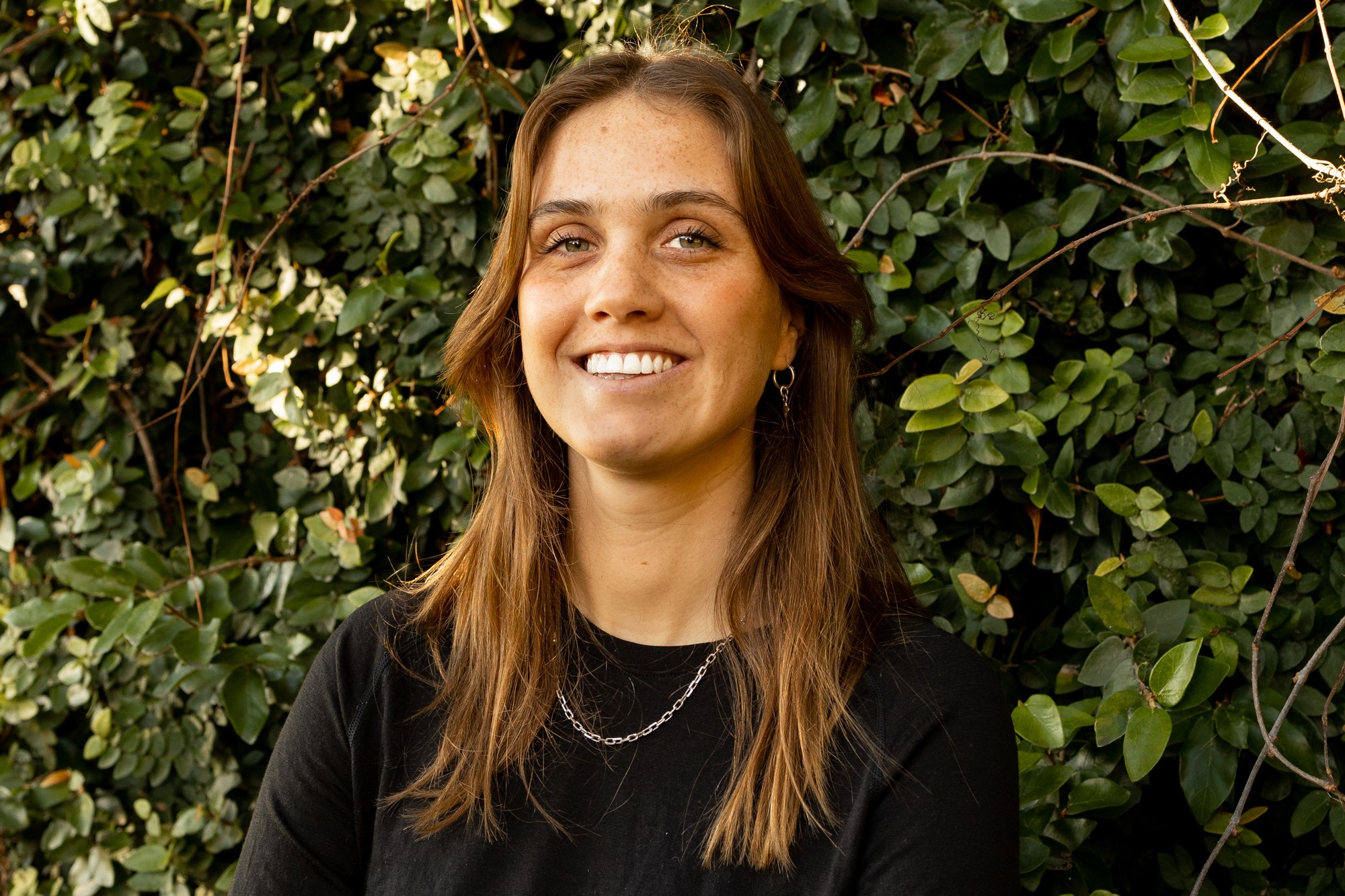
Jacqueline Hunter, a Col Reynolds Fellow based at the University of Melbourne, has played a leading role in authoring an Australian paper that has been published in the British Journal of Cancer.
As part of a PhD top-up scheme, The Kids’ Cancer Project helped to fund the study, with its findings disseminated worldwide in one of the sector’s most prominent publications. The paper’s title, I didn’t think of myself, comes from parents who weren’t concerned with their own risk of cancer when faced with their child’s own diagnosis.
The paper seeks to spotlight the experiences of the families involved within the PREDICT program, which thoroughly analyses the DNA of a child with cancer and their two biological parents to better predict risk of cancers. This is called germline whole genome sequencing, or GGS.
It is hoped that when this type of analysis becomes a standard of care that the findings from the study will inform how testing and analysis is conducted.
Via questionnaires and interviews, 128 families gave their thoughts on the process. It was found that many parents skimmed through consent forms, attributed to trauma relating to a diagnosis of cancer for their child.
A monthly donation to The Kids’ Cancer Project allows you to build long-term impact for kids with cancer.
When you commit to survival with a monthly gift of just $22, you will ensure we can continue to fund bold science.
Sign up today.
When results were conveyed to families, it didn’t result in a stress spike. Hunter and the other authors believe that it challenges the assumption that further bad news compounds stress, but a lot of indifference was felt across the board during surveys regardless of result. Feelings of relief, guilt and disappointment were also recorded.
96% of the parents surveyed said they would recommend the study.
The recommendations made by Hunter and her fellow authors included that consent processes need to be flexible to account for trauma in the wake of being told of a diagnosis and that clinicians trusted by families provide clear communication regarding genetic analysis.
Given that some oncologists are not experts in the space, there was another recommendation made to bring genetic counsellors into the process early, so trust could be built early on.