Timeline of our impact

2025 - Record investment in childhood cancer

The Australian Government commits $112 million to expand the ZERO Childhood Cancer Precision Medicine Program, building on years of investment from The Kids' Cancer Project and partners to deliver more personalised treatments for children nationwide.
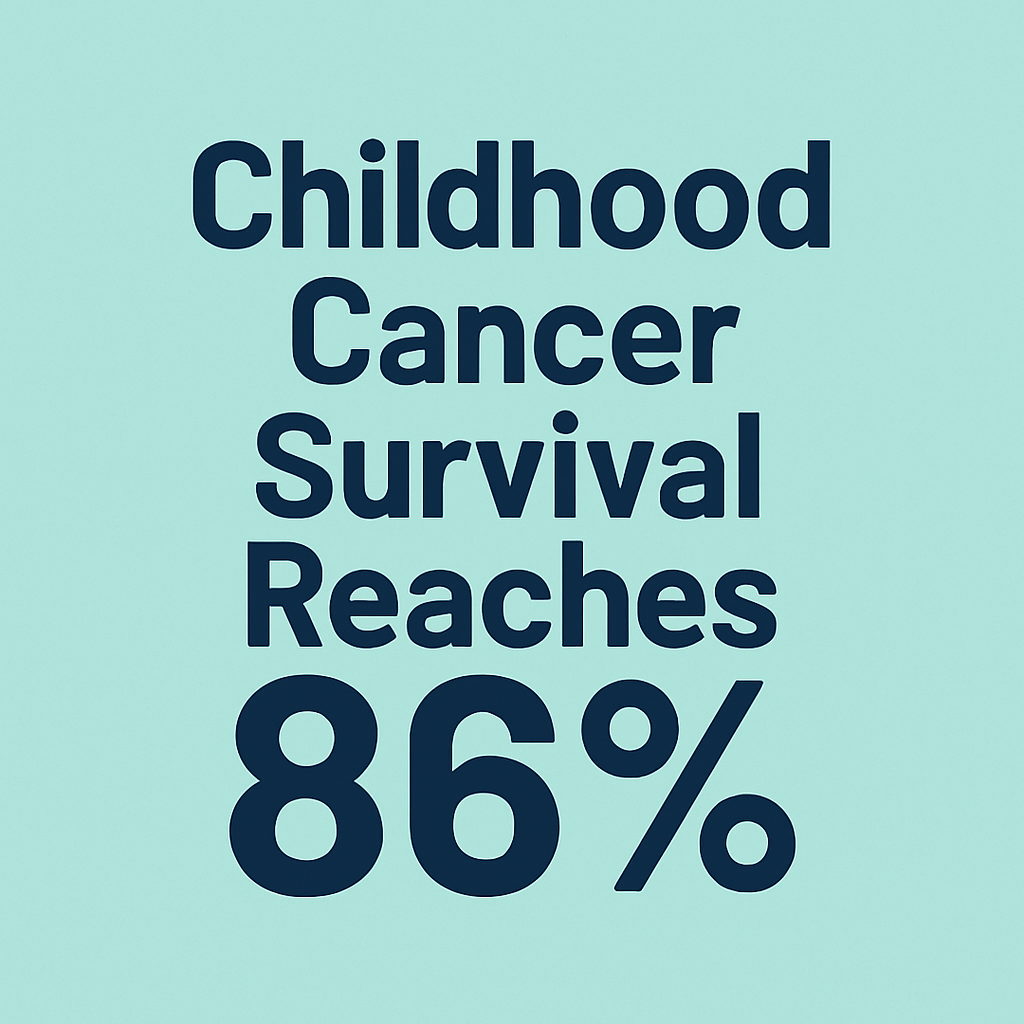
2025 - Childhood Cancer Survival at 86%

Childhood cancer survival has increased to 87%, reflecting decades of investment in research, clinical trials and improved models of care. The Kids' Cancer Project continues to fund innovative research aimed at improving survival while reducing long-term side effects.

2023 - Col Reynolds Fellowships Announced

The Kids' Cancer Project commits $7.6 million to establish the Col Reynolds Fellowships, supporting Australia's brightest emerging childhood cancer researchers and helping secure the future of research leadership and innovation.
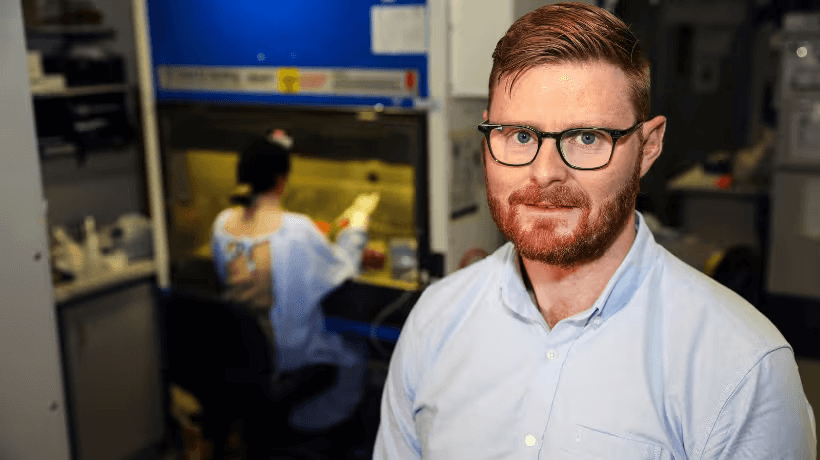

2023 - Breakthrough in DIPG Research

Research funded by The Kids' Cancer Project identifies promising therapeutic targets for Diffuse Intrinsic Pontine Glioma (DIPG), one of the deadliest childhood brain cancers, creating new opportunities for future treatments.

2021 - CAR T-cell therapy advances

Years of research investment help expand CAR T-cell therapy beyond blood cancers into clinical trials targeting solid childhood tumours, offering hope for children with cancers previously considered untreatable.
2020 - ZERO Program expands nationally

Federal investment enables the nationally recognised ZERO Childhood Cancer Program to expand precision medicine, giving more children across Australia access to genomic testing and personalised treatment recommendations.

2019 - Artificial Intelligence accelerates discovery

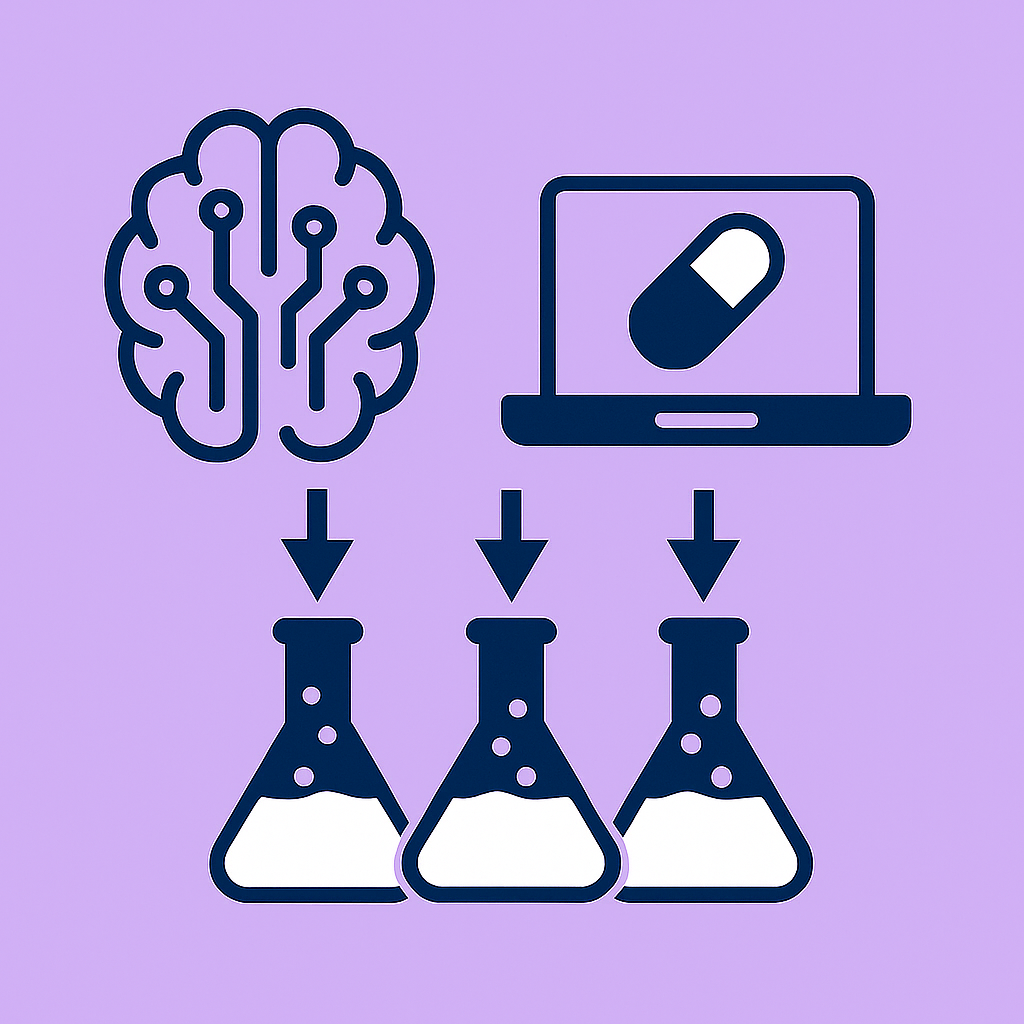
Researchers begin harnessing artificial intelligence and complex datasets to identify new drug targets, improve diagnosis and accelerate the development of personalised childhood cancer treatments.

2017 - Brain Cancer Mission partnership

The Kids' Cancer Project becomes a funding partner in Australia's Brain Cancer Mission, strengthening national collaboration to accelerate research into paediatric brain cancers and improve outcomes for children.

2016 - Expanding access to clinical trials

Partnership with ANZCHOG strengthens Australia's clinical trials network, giving more children access to leading-edge treatments regardless of where they live.

2015 - Australia's first CAR T-cell trial

Australia's first paediatric CAR T-cell clinical trial begins, building on years of foundational research into next-generation immunotherapies for childhood cancer.

2014 - Co-funding research model grows

The Kids' Cancer Project expands its co-funding model, partnering with governments, research institutions and philanthropy to support larger, more ambitious research projects and maximise every donated dollar.

2012 - A new name with the same mission

The Oncology Children's Foundation becomes The Kids' Cancer Project, reinforcing its mission to fund bold scientific research that improves outcomes for children diagnosed with cancer.

2011 - Investing in CAR T-cell research

The Kids' Cancer Project begins supporting pioneering immunotherapy research that contributes to Australia's leadership in CAR T-cell therapy development.

2010 - Research Advisory Committee established

An independent Research Advisory Committee is formed to oversee peer review and ensure every research grant is selected through a rigorous, evidence-based assessment process.

2009 - Better outcomes for neuroblastoma

Advances in chemotherapy protocols significantly improve survival rates for children diagnosed with neuroblastoma, one of the most common childhood solid tumours.

2008 - Investing in research infrastructure

Funding for tissue biobanks and shared research infrastructure strengthens collaboration between researchers and accelerates future discoveries across childhood cancer.

2007 - Targeted therapies transform treatment

Targeted therapy Imatinib becomes standard treatment for childhood chronic myeloid leukaemia, demonstrating how research can rapidly improve survival and quality of life.

2005 - Our major research investment begins

The Kids' Cancer Project commits its first $8 million to research, supporting gene therapy, laboratory infrastructure and innovative projects with the potential to change childhood cancer outcomes.

2000 - Precision medicine emerges

Molecular profiling begins transforming childhood leukaemia treatment, paving the way for personalised medicine approaches that continue to shape research today.

1999 - Survival rates reach 80%

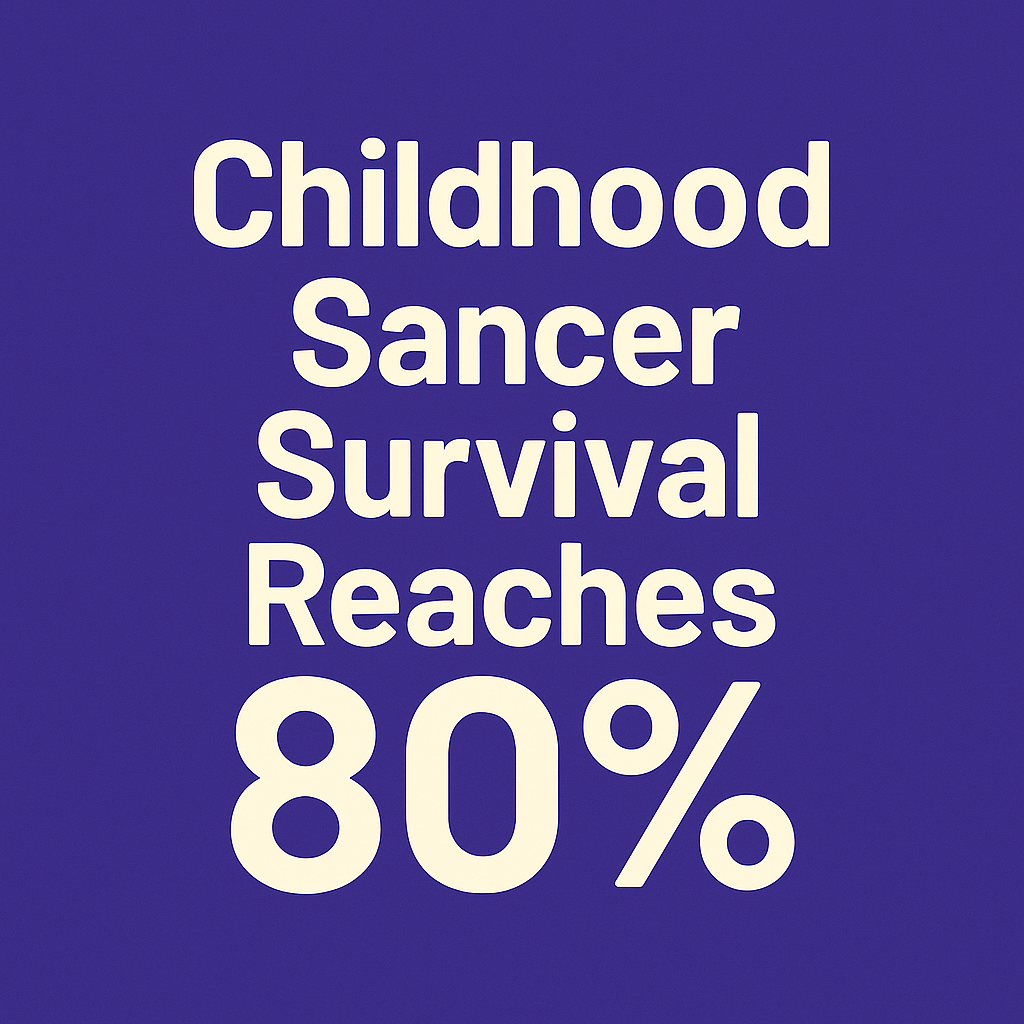
Childhood cancer survival improves to approximately 80%, highlighting the life-saving impact of decades of research, better therapies and national collaboration.

1998 - Immunotherapy shows promise

Early antibody-based immunotherapies demonstrate encouraging results in treating neuroblastoma, laying the foundations for today's immunotherapy breakthroughs.

1995 - Safer radiation treatments begin

Advances in radiation therapy reduce long-term side effects while maintaining treatment effectiveness, improving quality of life for childhood cancer survivors.

1993 - TThe Kids' Cancer Project is founded

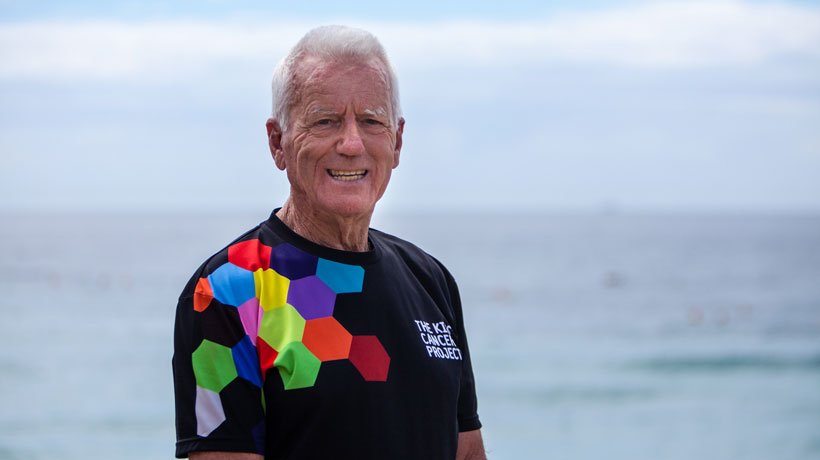
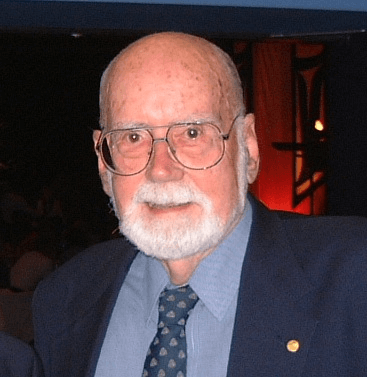
Inspired by children battling cancer, Col Reynolds establishes The Kids' Cancer Project with a mission to fund scientific research that delivers better treatments and brighter futures.

1986 - National clinical trials network launched

ANZCHOG is established, creating a collaborative clinical trials network that improves access to cutting-edge treatments for children across Australia and New Zealand.

1983 - The inspiration for a legacy

A chance encounter between Col Reynolds and a young cancer patient inspires the creation of what would become The Kids' Cancer Project.

1983 - Global trials transform cancer care

Australia joins international childhood cancer clinical trials, accelerating access to new therapies and contributing to improved survival outcomes worldwide.

1976 - Inaugural research institute established

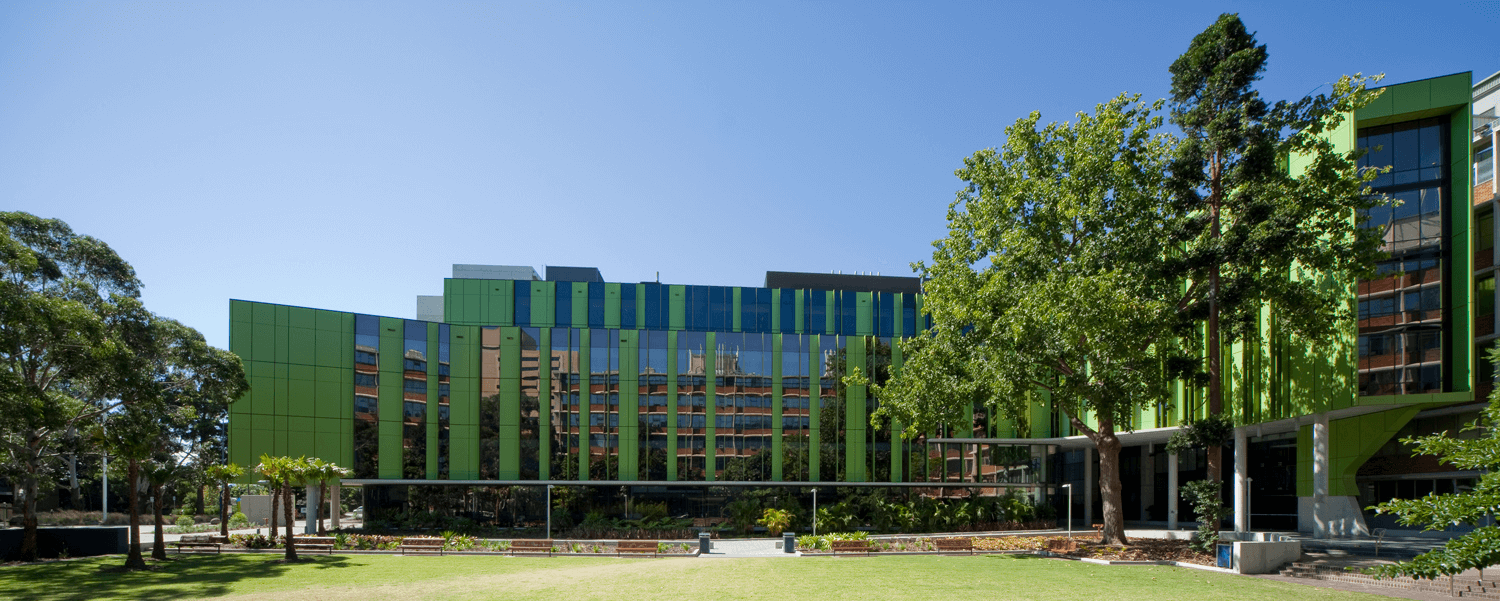
The Children's Cancer Institute is founded as Australia's first independent childhood cancer research organisation, driving decades of scientific discovery.

1962 - Dedicated children’s cancer care begins

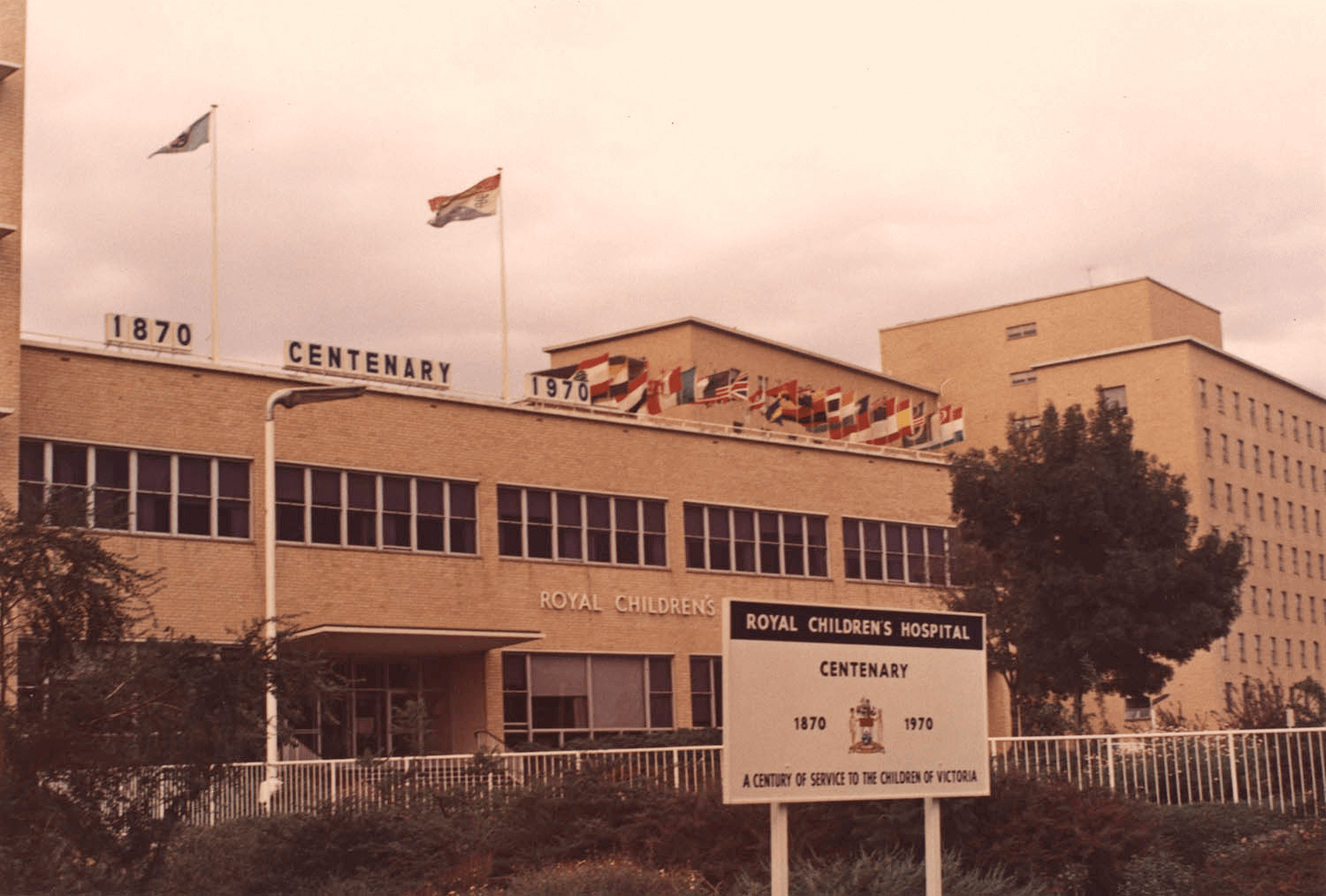
Australia's first specialist paediatric oncology unit opens, marking a significant step forward in the treatment of children with cancer.

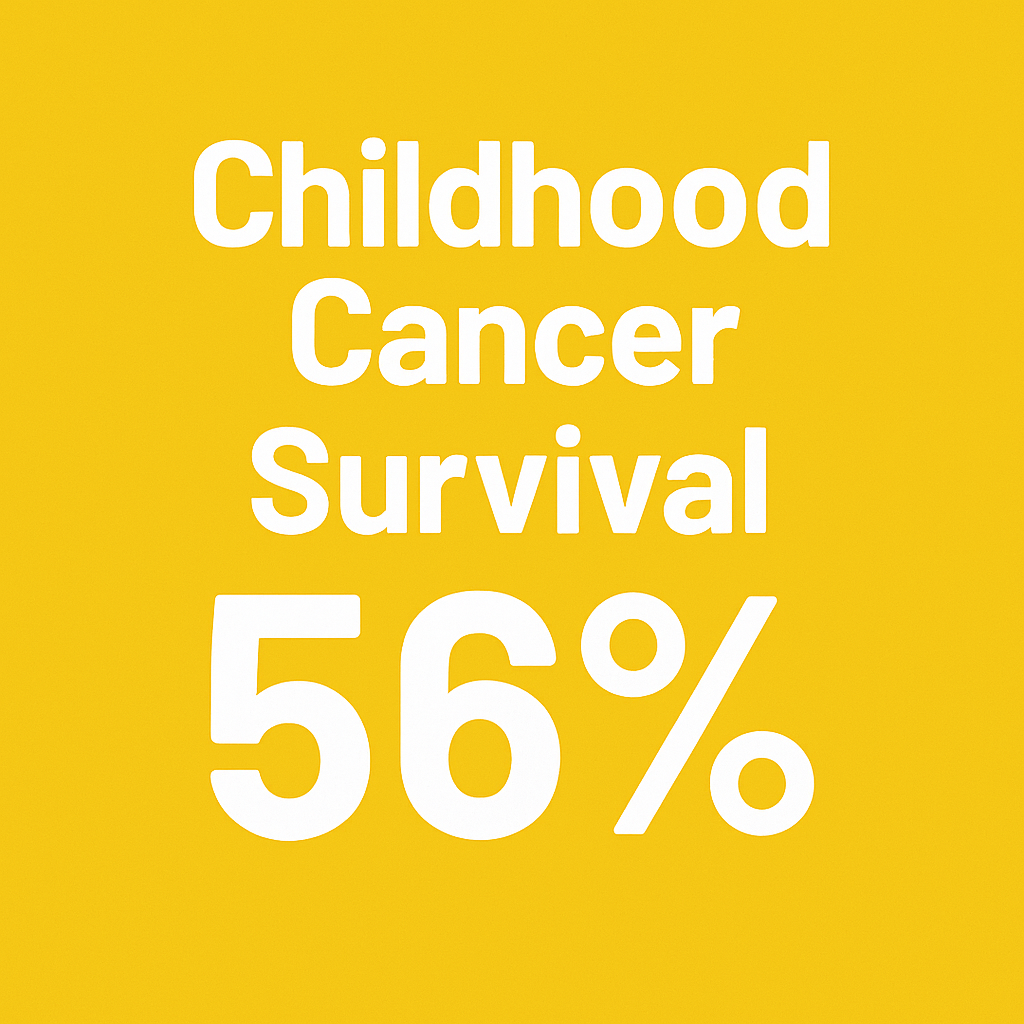
1960 - Survival rates are just 56%

Childhood cancer survival sits at just 56%, highlighting the urgent need for research investment and better treatment options.

1956 - First successful bone marrow transplant

The world's first successful bone marrow transplant marks a breakthrough that would become a cornerstone of childhood cancer treatment for decades to come.