0

.jpg)
The Kids’ Cancer Project’s investment into Associate Professor Emmy Fleuren’s research speaks to the charity’s aim of funding cutting-edge research methods aimed at making a difference for kids with sarcoma sooner.
A/Prof Fleuren’s work centres around precision medicine, a tailored approach to healthcare. It assesses at least one of an individual's unique genetic makeup, environment, and lifestyle to prevent, diagnose, and treat disease, combining several layers of information to better understand a child’s cancer.
These layers include genomics (DNA study), proteomics (the proteins a tumour produces), phosphoproteomics (how those proteins are switched on or off), and metabolomics (the chemical processes that fuel cells). The combination of different layers creates the best results.
“The more comprehensive we can get, the better we can understand what is driving this individual patient's tumour biology, and hence the better we can deduce which targeted drug would work best,” says Emmy.
With all of this data at their fingertips, researchers can then better understand what is driving a tumour’s behaviour identify treatments that are most likely to work for each patient.
As opposed to a one-size-fits-all approach, precision medicine works to mitigate toxicities from treatments such as chemotherapy and radiation. It will play a key role in ensuring that children with cancer survive and thrive well into the future. Precision medicine takes on a ‘multi-omics’ approach, ensuring clinicians can capture a complete biological picture and tailor treatment to each individual.
Within the sector, clinicians analyse a child’s unique genetic makeup to make predictions on how they might respond to therapy. The personalised approach is tumour and age agnostic, meaning that it applies across a range of both childhood and adult cancers, opening up opportunities for children to benefit from adult cancer drugs developed by large pharmaceutical companies.
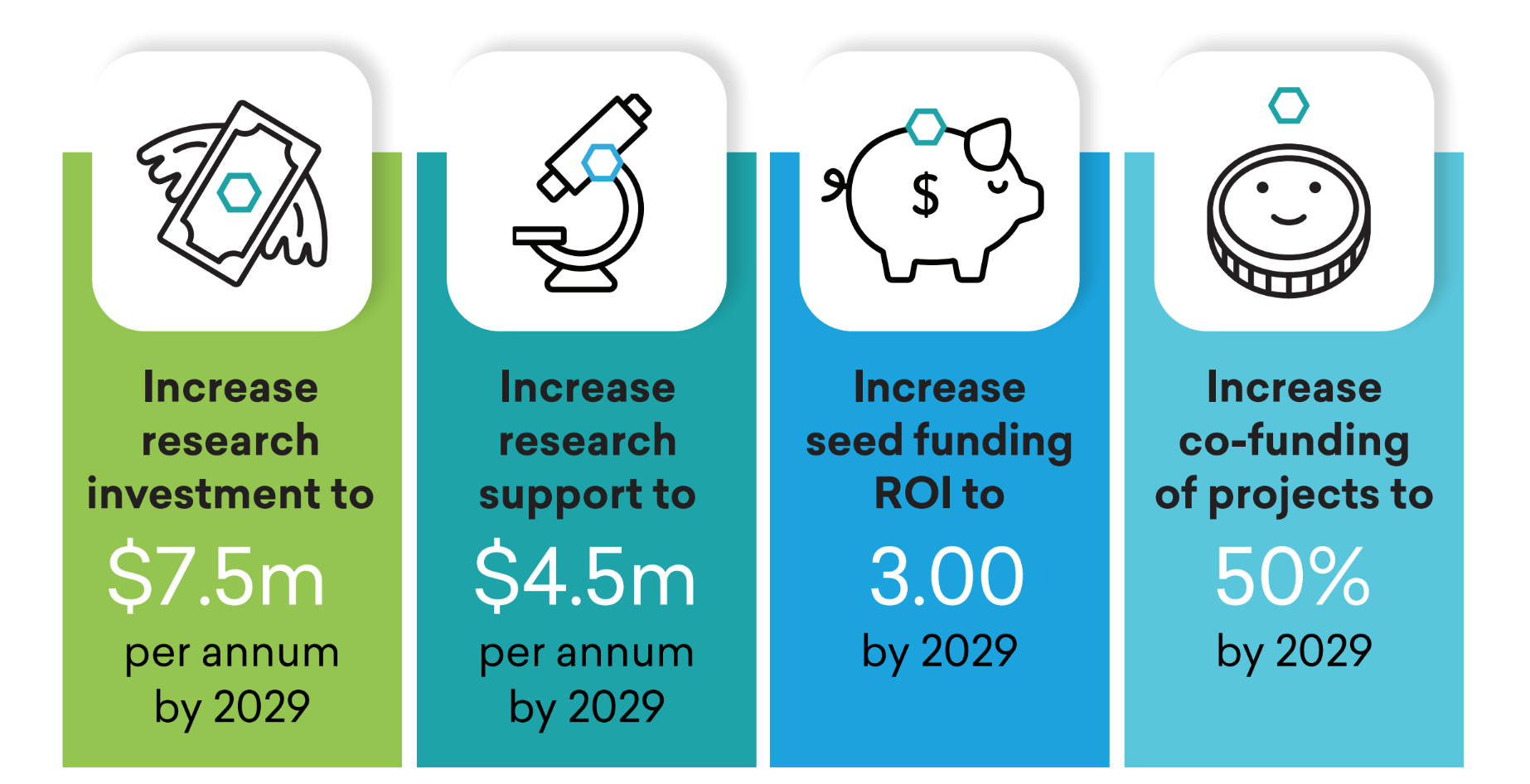
Associate Professor Emmy Fleuren was the beneficiary of a three-year, $186,799.50 funding cycle for her project, with the Cooper Rice Brading Foundation investing the same amount into the program.
While precision medicine has advanced, it can be difficult for sarcoma patients to access new, innovative treatments due to uncertainty about which (targeted) drug could be effective for their tumour.
To counteract this, Dr Fleuren devised a new program aimed to both accelerate the discovery and clinical translation of new and better targeted drugs via phosphoproteomics, while leaning on datasets created within the ZERO Childhood Cancer program. A/Prof Fleuren’s team then build data for clinicians and test if and why selected drugs affect sarcoma growth in the lab.
A monthly donation to The Kids’ Cancer Project allows you to build long-term impact for kids with cancer.
When you commit to survival with a monthly gift of just $22, you will ensure we can continue to fund bold clinical trials for childhood cancers.
Sign up today.
Later receiving $616,293 in additional funding as a Col Reynolds Fellow, Dr Fleuren is now expanding her program, aiming to pinpoint the best drug targets and drive the laboratory research to translate more encouraging findings to the clinic.
Speaking of ZERO, The Kids’ Cancer Project’s initial $200,000 grant to the project in 2015 has made it one of the largest precision medicine programs in the world.
Australia’s first-ever precision medicine program, ZERO Childhood Cancer was created to ensure every Australian child with cancer could access innovative and potentially life-saving treatment via clinical trial. The Kids’ Cancer Project’s initial grant made initial pilot studies possible, which allowed ZERO to demonstrate its capabilities to larger funding bodies.
Without it, what followed may not have come to pass.
Following those studies in 2015, a three-year national trial was set up in 2017 for children from ages 0-21 diagnosed high risk, rare and relapsed cancers and a chance of 30% survival or less.
Within the trial, 32% of children received the recommended treatment, and a third of those saw their tumours shrink, with some even fully regressing! In a further 40% of patients, the tumour stopped growing and remained stable. These remarkable results led to a $67 million investment from the Morrison Government, outlining why our initial outlay was so important. Another $112 million was tipped in by the Albanese Government in 2025 to include adolescents and young adults.
The Minderoo Foundation has also contributed to ZERO, to the tune of $17.2 million, which includes cash for clinical trials and funds to support expansion both in the hospitals and for digital data platforms. The investment will see ZERO expanded to include researchers across all paediatric oncology centres around Australia. It will also ensure young people aged 19-25 will be able to be enrolled in the program, supporting an additional 300 young Australians with cancer each year.
ZERO involves both CCI and the Kids Cancer Centre at Sydney Children’s Hospital, Randwick, plus all nine of Australia’s children’s hospitals together with 22 national and international research partners. According to CCI, ZERO is generating an incredible wealth of research data to the understanding of childhood cancer in the form of tumour analysis, which is driving research into new treatments and strategies.
The next stage of ZERO will work towards implementing these findings into clinical practice, with designs on ensuring it becomes standard of care for paediatric cancer patients the world over.