0

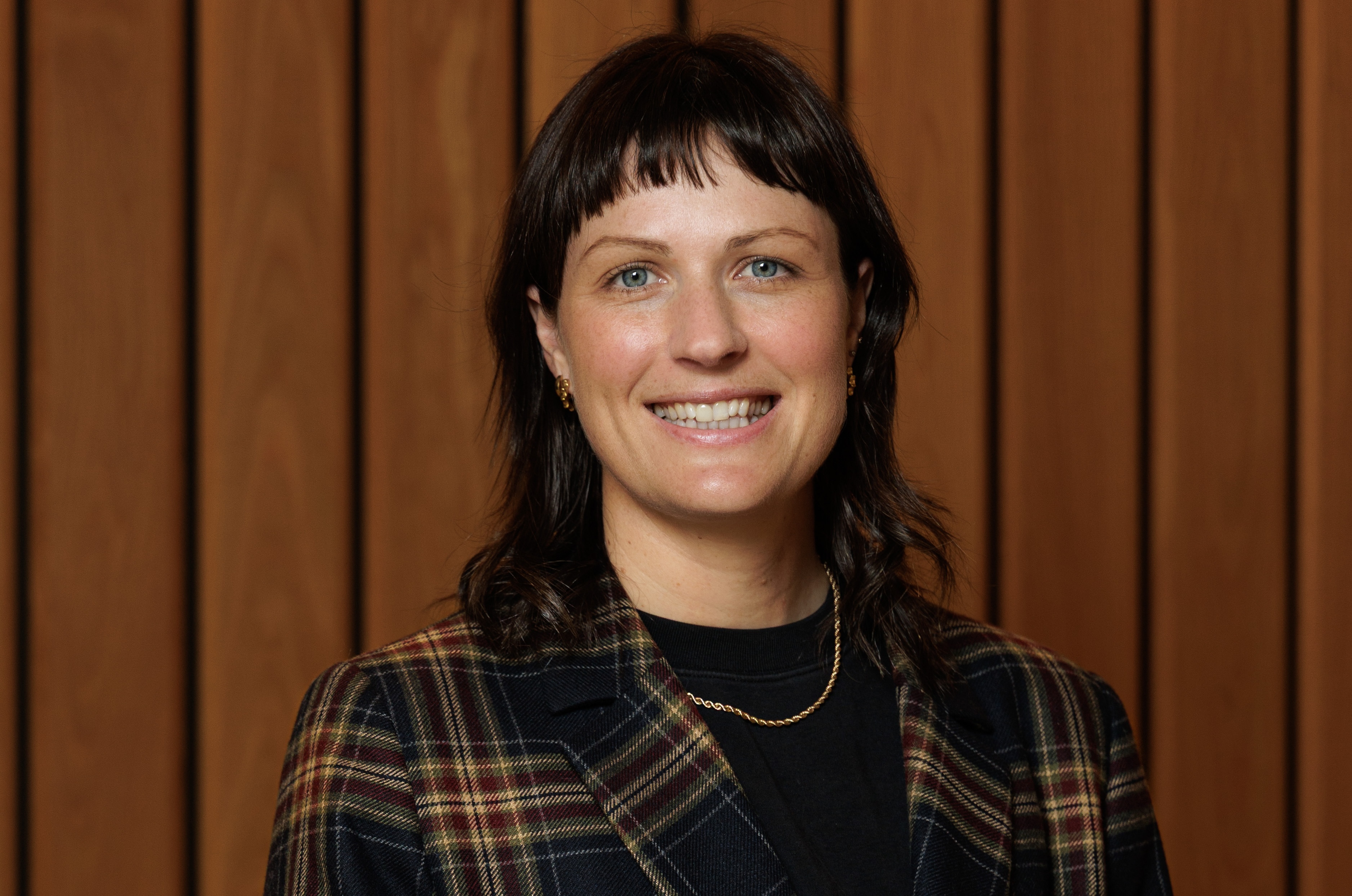
Dr Michelle Tennant remembers the first paper she submitted around the difference that virtual reality technology could have for childhood cancer.
“I was knocked back because it wasn’t suitable for the journal I applied for,” she recalls.
“I’ve often been overlooked with it. I know we’re at the frontline and it’s really exciting for us, but the truth is there’s also lots of failed grant applications.
“We’ve been told that we’ve been second or we’ve just missed out – we’re trying to create a pathway and a career for ourselves in research and psycho-oncology and virtual reality and cancer and it’s so competitive when it’s not apples for apples.”
Initially starting her work with Murdoch Children’s Research Institute (MCRI) in 2014, Tennant’s career has seen her shift to spending time with families in the intensive care and cancer wards at the Royal Children’s Hospital to the front lines of the technology wave that has changed the healthcare system and the push for smarter hospitals.
Over the past nine years, she has worked tirelessly to reduce patient distress and improve quality of life outcomes by seeing how virtual reality can deliver therapeutic interventions and help children – and their families – understand radiation therapy.
The RAD-VR program – which works to reduce child stress and allow staff to more positively engage with families and patients to positively change their experience and care – is quite obviously an exciting, innovative and progressive project.
.JPG)
It’s one which The Kids’ Cancer Project is proud to support through Tennant with a Col Reynolds Fellowship, but it’s a project that hasn’t come as easy as it might suggest.
"There’s a learning curve when it comes with any new technology and things that come along, and clinicians are really time poor and don’t have the space to learn or investigate new solutions to problems,” Tennant reflects.
“We know our research is important in the role that it plays to support kids in helping to understand radiation therapy, but when we go up for grants to fund this research, we’re competing against so many other types of basic science – competing against people trying to cure cancer specifically in cells which is hard to balance.”
She calls it an intersection – the space where her experience and knowledge in technology crosses over with research and medical science – but one where there’s a temptation to always feel on the outside.
Her technology background is not met with global conferences and the latest Meta glasses, but rather a deep passion for people and psychology; her science not met with test tubes but with focus groups, parent consumer groups and the emotional toll that comes with it all.
“It’s a real challenge at the intersection of it all – to be in the space where VR crosses with supportive care and then with cancer," she says.
"I believe in what the technology can do for families, and its unique capacity to immerse kids in a different world to help them build knowledge but it’s not easy to show the other side of the coin to people.
“In VR, you have an incredibly male dominated world because there’s very few engineers – all the designers and developers are male. But then you couple that with supportive cancer, psychologists and allied health and so many of them are female.
“You can see that parents are hurting and there’s nothing more that can be done in situations, but committing to this is me believing that this is the best option we have.
“The alternative is to hear from clinicians in big, medical books that explain radiation, 100-page word documents for parents to read which are jargon-filled and detailed and not readily accessible. There’s really no education for kids, and even what is out there for the parents is hard because they have to play the role of explaining it sometimes.
“It’s why even when there’s a challenge to change the focus to make it more aggregable or understandable in the technology space or in allied health, we won’t. It’s hard to change the status quo in health and so it’s something we will continue to champion because we need to do the best job we can to create an intervention that supports kids and their families, reduce their stress and build confidence.”
For Tennant, that ever-present tension between the worlds in which her research operates has seen her develop an incredibly cross-functional team and approach to her work. It’s also seen her progress through the guidance and leadership from those who had gone before her – a role which she is determined to play for others.
“I know I absolutely wouldn’t be where I am without a mentor – Associate Professor Maria McCarthy has been mine since I started as a research assistant in her team. She has supported my growth and helped me get the initial grant for RAD-VR to even happen, and it’s a role which I can absolutely see myself playing for someone,” she said.
“We know this is a male-dominated industry – cancer research is male dominated and tech is the same – so it’s so important that we have strong female leaders in this space. It’s always tough and unpredictable and it’s not guaranteed that you can build a career out of it, which is daunting.
"But to have someone who believes in you, that makes a difference, and it inspires me to hold the hand of someone who comes after me.
“The team we have at the moment is incredibly cross-functional – it brings in medicine and psychology and supportive care and allied health and tech and it’s what makes it so great. It brings in people with all their strengths and knowledge, and it is so special because you’re working across disciplines but united by the one cause.”
Two years into her Col Reynolds Fellowship with The Kids’ Cancer Project, Tennant’s trailblazing work continues to make a huge impact in both the technology and allied health space, with a successful preliminary study already taken place.
And while there’s continued challenges, ever-present funding battles and an occasional nagging feeling of being on the outside at the crossroads of technology and science, it’s work that isn’t going to stop.
“I continue to come home and pinch myself that I can’t believe what I’m doing,” she says. “It’s truly humbling to be in a room listening to parents on how hard it is for them. It’s humbling to hear from clinicians on what it’s like to work with kids who require radiation and see the emotional toll and the distress that is there for everyone.
“Asking what it’s like to contain a child who is distressed or what it’s like for a child when they see the machine for the first time or what it’s like for a parent who is emotional and wants to help but just doesn’t have the capacity – those are hard conversations to have and hard rooms to sit in but that’s what shapes the work, and shapes me.
“Being able to step into the shoes of people to understand the problem has been an incredibly rewarding thing, and it’s been such a moving experience.
“We haven’t fully created the intervention yet, but it’s the process and we’re closing in.
“But I believe in the tech, and I know that it can.”
The Kids’ Cancer Project is the official charity partner of the City of Sydney’s Sydney Lunar Festival, with a series of activations
scheduled for the February festivities.