0

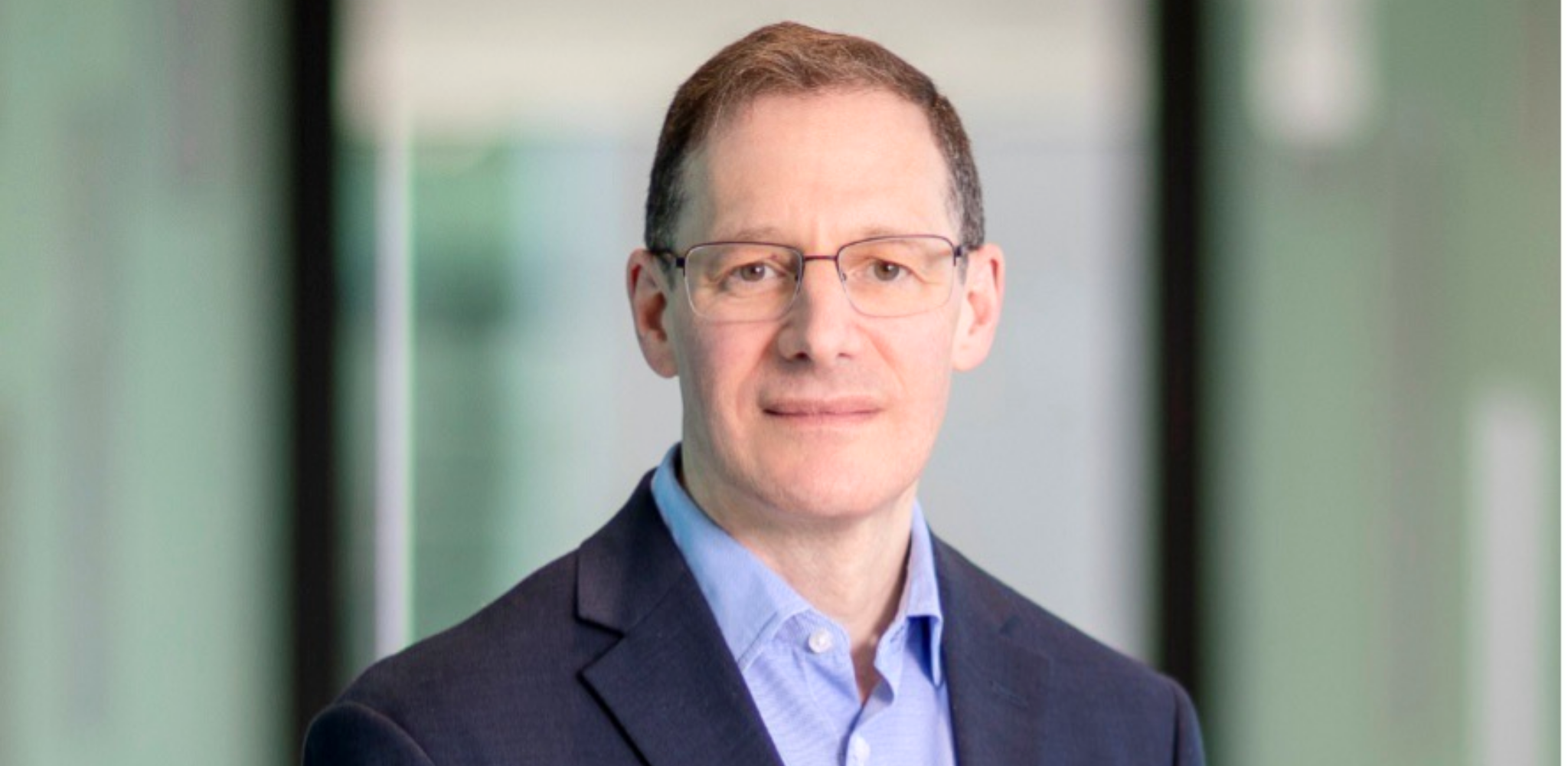
Project title: Reprogramming cell fate in paediatric high-grade gliomas
Institute: Murdoch Children’s Research Institute
Funding: $375,000 (October 2026 – October 2029)
Research Pillar: Discover
Cancer Type: Brain and CNS (High-grade glioma; Diffuse hemispheric glioma)
Professor David Eisenstat is a paediatric oncologist, clinician-scientist and researcher dedicated to improving outcomes for children with brain cancer. His research focuses on understanding the genetic and molecular drivers of childhood brain tumours to develop more precise, effective and less toxic treatments.
Through his work in laboratory and clinical research, Professor Eisenstat is helping translate scientific discoveries into better care for children diagnosed with some of the most challenging childhood cancers.
Receiving a grant from The Kids’ Cancer Project (TKCP) is very meaningful to me and my research team, the Neuro-Oncology Group based at the MCRI in Melbourne. TKCP’s motto “Survival Starts with Science” particularly resonates with us, because some childhood cancers are now considered disorders of normal human development, including brain cancers. Funding from TKCP will significantly accelerate the pace of our research program seeking to apply the principles of the biology of the developing brain towards understanding paediatric high-grade gliomas and generating new treatment approaches.
Paediatric high-grade gliomas (pHGG) are the most common cause of death due to cancer in childhood and include the diffuse hemispheric gliomas (DHG). The cell-of-origin of DHG is an inhibitory interneuron-like cell of the brain that expresses a neurotransmitter called GABA. A master transcription factor DLX2 directly regulates brain progenitor cells to become GABAergic interneurons and is highly expressed in DHG. We plan to knockout DLX2 in DHG cell lines and study the effects on DHG tumour cells in the dish and in living mouse models. We will also use functional genomics to identify other genetic vulnerabilities of DHG cells expressing DLX2 treated with/without temozolomide, the current standard of care along with radiation for patients with DHG. Characterising these genetic vulnerabilities will enable us to develop new treatments for DHG.
Our goal is to uncover new druggable targets to overcome DHG cell-of-origin stalled differentiation and stop tumour growth, ultimately leading to improved survival for children and adolescents with DHG. The standard of care using concurrent radiation and temozolomide followed by temozolomide for about one year has not advanced patient outcomes beyond 15% survival in two decades. Identifying treatments to add to the standard of care by targeting the cell-of-origin of DHG will reduce tumour progression and treatment resistance and improve patient outcomes.
The Neuro-Oncology Group at the Murdoch Children’s Research Institute, led by Professor David Eisenstat, truly appreciates the donors and other supporters of The Kids Cancer Project. The funds you raise for the TKCP go towards supporting innovative research projects across many disciplines, including fundamental discovery-based science. For children who suffer from cancers with very poor outcomes, especially the paediatric high-grade gliomas, we need to uncover the biological basis for how these cancers develop in the first place, identify their genetic weaknesses and harness this knowledge into developing new and effective therapies. We offer our sincere gratitude for your support.
From a field of outstanding candidates across Australia, The Kids’ Cancer Project has funded the next generation of childhood cancer researchers. Their science-backed research is sure to deliver breakthroughs across a range of areas relating to childhood cancer.