0

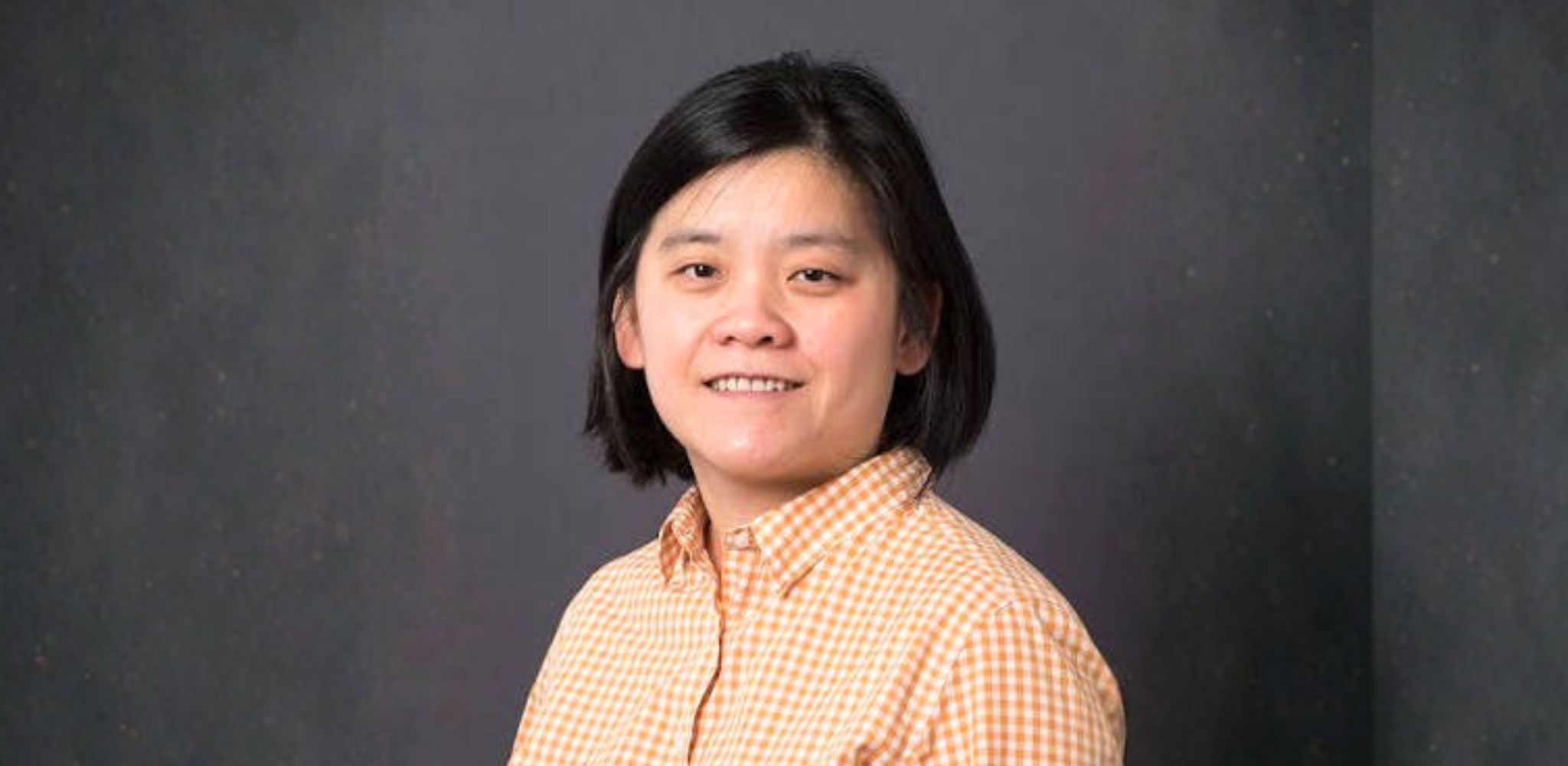
Project title: Unlocking brain tumour cell maturation in Diffuse Midline Glioma
Type of fellowship: Not applicable
Institute: Monash University
Funding: $375,000 (October 2026 – October 2029)
Research Pillar: Translate
Cancer Type: Brain and CNS (Diffuse midline glioma (DMG))
Dr Lee Wong completed her PhD at Monash University before establishing the Epigenetics and Chromatin (EpiC) Research Laboratory at Monash in 2012. Her research focuses on chromosome biology and the epigenetic mechanisms that maintain chromosome stability and regulate gene function.
Her team investigates how mutations in the histone variant H3.3 and its chaperone, ATRX, contribute to childhood brain cancers and other cancers, aiming to uncover insights that could lead to improved treatments.
Receiving this is grant highly enabling. For our team, it represents validation that the direction we are pursuing, focusing on how tumour cells become “stuck” in an immature state, is both scientifically interesting and clinically important. It gives us the resources and momentum to move from discovery into practical solutions, which is often the hardest step in research.
This support strengthens our commitment to translating laboratory findings into real-world impact for children and families. It brings together a multidisciplinary team, including chromatin and protein structural biologists, and chemists, to tackle the problem from multiple angles.
The grant allows us to test strategies to target key factors controlling cell state and to explore ways to restore normal development. Without this support, these steps would take much longer.
Ultimately, this funding accelerates our ability to turn insight into action, moving closer to therapies that could improve outcomes for children with this devastating disease.
Our project focuses on a major challenge in treating diffuse midline glioma (DMG), an aggressive childhood brain tumour. These tumour cells behave as though they are “frozen” in an early stage of brain development. Because they remain immature, they continue to grow and resist current treatments. We have identified key factors that control this process. In healthy brain development, this factor helps regulate which genes are switched on or off. In DMG, a common mutation disrupts this control, causing gene regulation to become disorganised and keeping tumour cells locked in an immature, harmful state. Our goal is to develop practical ways to correct this. We will design strategies to reduce or remove this factor’s activity and explore methods to restore the normal signals that keep it in balance. These approaches will be tested in laboratory models of DMG. What we hope to achieve is a “state change”, driving tumour cells to behave more like normal, mature brain cells. This could make them less aggressive and more responsive to treatment, opening the door to new therapeutic approaches.
Current treatments for cancers like DMG mostly try to kill tumour cells, but these tumours are very hard to treat, so survival remains low.
Our approach is different. Instead of only trying to destroy the cancer, we aim to change how the tumour cells behave. We want to “unlock” them from an early, immature state so they act more like normal cells, growing more slowly and becoming easier to treat.
This idea has already worked in some blood cancers, but not yet in brain tumours like DMG. Our goal is to find practical treatment strategies that could be developed into new medicines and tested in future clinical trials.
In the long term, this could lead to better treatments, longer survival, and improved quality of life for children facing these cancers.
We are deeply grateful to The Kids’ Cancer Project and its donors for making this research possible. Your generosity is giving us the chance to explore new ways to treat one of the most challenging childhood brain cancers. By supporting this work, you are helping us move promising ideas closer to real treatments for children and families facing devastating diagnoses. Every step we take in the lab is powered by your kindness and belief that better options are possible. Thank you for standing with us and for your commitment to improving the futures of children with low-survival cancers.
From a field of outstanding candidates across Australia, The Kids’ Cancer Project has funded the next generation of childhood cancer researchers. Their science-backed research is sure to deliver breakthroughs across a range of areas relating to childhood cancer.