0

Project title: Survival is the start, not the finish: Supporting lifelong care for young people diagnosed with poor-prognosis childhood cancers through a digital transition intervention
Institute: University of New South Wales
Funding: $350,000 (October 2026 – October 2029)
Research Pillar: Support
Cancer Type: Various/Pan-cancer (Low survival/poor prognosis cancers)
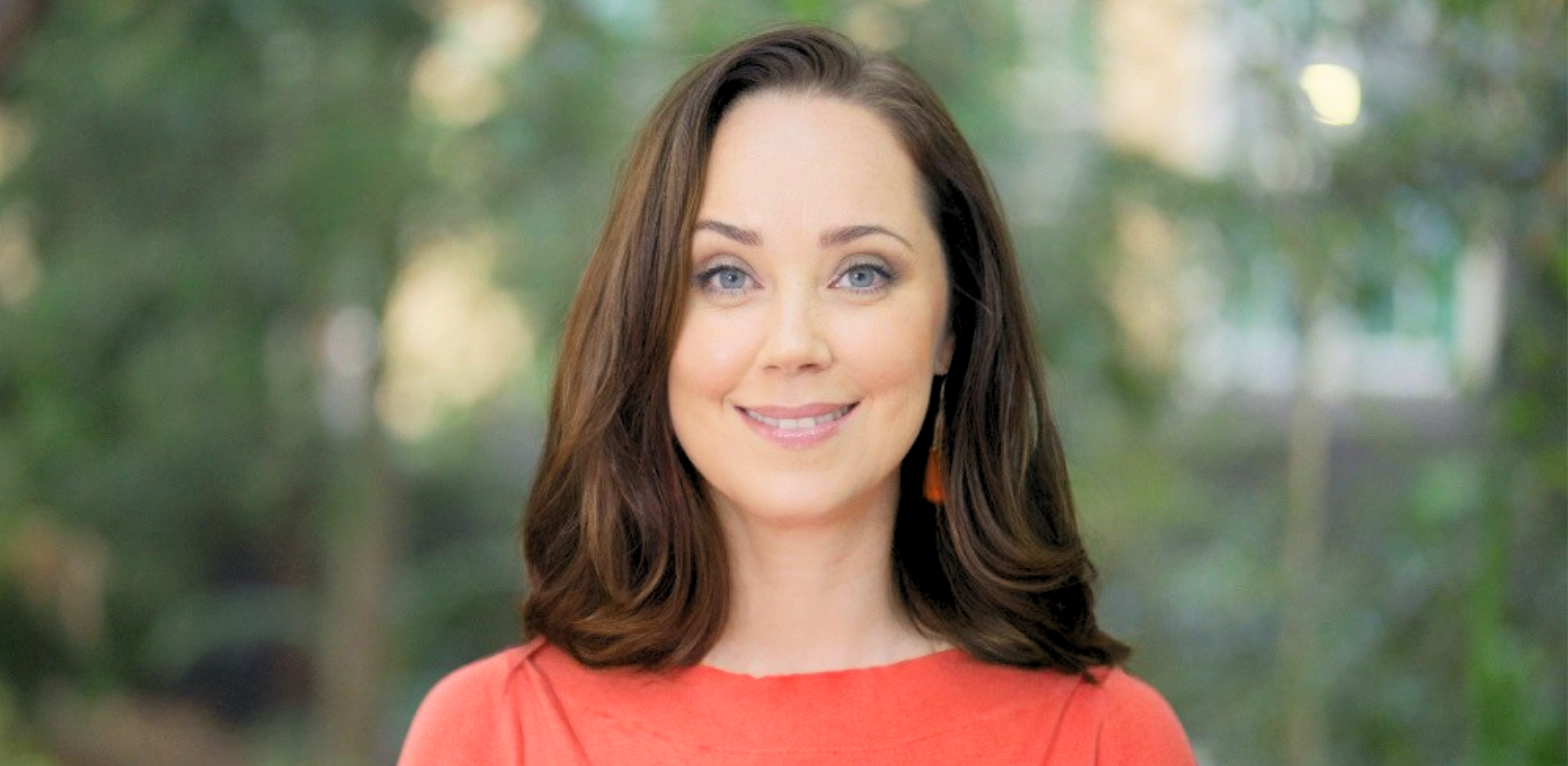
Dr Jordana McLoone is a Senior Research Fellow and behavioural scientist at UNSW Sydney and the Kids Cancer Centre at Sydney Children's Hospital. She leads the survivorship research stream within the Behavioural Sciences Unit, focusing on improving the long-term health and wellbeing of children, adolescents and young adults who have experienced cancer.
Her research aims to improve survivorship care by addressing the psychosocial impacts of childhood cancer, reducing barriers to follow-up care, and developing innovative, accessible models of support for survivors and their families.
This grant is incredibly meaningful because it recognises a growing group of young people who have survived some of the most difficult childhood cancers but continue to face lifelong health challenges. Survival is only the beginning of their journey, and we have a responsibility to ensure they receive the support they need long after treatment ends.
For our team, this funding allows us to build on years of research in healthcare transition and work alongside young survivors to create something that is genuinely designed around their needs. It also reflects the strength of an extraordinary collaboration between clinicians, researchers, and consumers across Australia who share a commitment to improving survivorship care.
Personally, this project is especially rewarding because it focuses on helping young people navigate one of the most vulnerable periods of their lives—moving from the security of children's hospitals into adult healthcare. It's a privilege to work on research that has such clear potential to improve everyday lives.
More children are surviving cancers that were once considered almost impossible to treat. While this is a remarkable success, many of these young people leave children's hospitals with complex health needs that require lifelong monitoring and support.
Unfortunately, the transition into adult healthcare is where many survivors become disconnected from care. They often lose the relationships and support they have relied on throughout childhood and are suddenly expected to navigate an unfamiliar healthcare system on their own.
Our project will adapt an existing digital transition program, called Transition Compass, specifically for survivors of poor-prognosis childhood cancers. Through supportive text messages, short educational videos, and personalised nurse guidance, we hope to give young people the knowledge, confidence, and support they need to successfully establish care in the adult health system.
Ultimately, our goal is simple: to ensure that surviving childhood cancer is not where support ends, but where a lifetime of appropriate care begins.
Children who survive low-survival cancers often carry the greatest burden of long-term health complications because of the intensity of the treatments that saved their lives. They may need ongoing monitoring for heart disease, hormonal problems, fertility issues, second cancers, mental health challenges, and many other late effects.
Our research aims to help ensure these young people remain connected to the healthcare they need throughout adulthood. By supporting them during the transition from paediatric to adult services, we hope to reduce the risk of survivors "falling through the cracks" at a time when they remain medically vulnerable.
If successful, this project could provide a new model of transition care that can be delivered across Australia and eventually become part of routine survivorship care. We have become remarkably good at helping children survive the cancers that once claimed their lives. The next challenge is ensuring those hard-won survival gains are protected through lifelong survivorship care, so young people can remain healthy well into adulthood.
To everyone who supports The Kids' Cancer Project—thank you.
Your generosity doesn't just fund research; it creates hope for children and families facing some of life's most difficult circumstances. Because of your support, we can tackle important questions that might otherwise go unanswered and develop practical solutions that improve the lives of young people long after acute cancer treatment has ended.
While more children than ever are surviving cancers once considered untreatable, many continue to face lifelong health challenges caused by their cancer and its treatment. Your investment in research helps ensure these young people remain connected to the specialist care and support they need as they move into adulthood, protecting those hard-won survival gains for decades to come.
Every breakthrough begins with someone choosing to invest in research. We are deeply grateful for your trust and support and committed to turning that investment into better futures for children and young people affected by cancer.
From a field of outstanding candidates across Australia, The Kids’ Cancer Project has funded the next generation of childhood cancer researchers. Their science-backed research is sure to deliver breakthroughs across a range of areas relating to childhood cancer.