
0

Corporate social responsibility | The key to success

Once considered as a ‘feel-good’ aspect of doing business, there has been a major shift in the role corporate social responsibility now plays in the marketplace
For those unfamiliar with the term, corporate social responsibility (CSR) is when an organisation operates in an ethical and sustainable way, with clear goals regarding philanthropy, charitable causes, human rights, community issues and the environment.
Many now claim CSR has become important in such areas as image, cost savings and customer engagement, and is vital to achieve success. Patrick Phibbs, The Kids’ Cancer Project Head of Partnerships, explains:
It’s about an organisation operating with a clear approach to being socially accountable and having a positive impact on society...When an organisation adopts a CSR strategy, there’s usually three parties it is accountable to – itself, its stakeholders and the public. Through this, we are now seeing businesses emerging as influential leaders for change.
Responsible operations for success
Strong community expectations have evolved, where businesses are expected to do more than just seek strong profit margins for success. Having a clear CSR program is a key part of business survival in the 2021 economy.
The US Cone Communications/Ebiquity Global CSR Study (2015) revealed that 91 percent of global consumers expect companies to operate responsibly to address a wide range of social and environmental issues.
The Boston Group has a strong commitment to a wide range of health and science initiatives. Natalie Cooney, Divisional Director of the Australian investment group Boston Global, says:
Successful companies generally lead with a social conscience...Success has moved on from merely financial reward to now also including global and social impact.
Benefits of corporate social responsibility
Adopting a CSR program offers a clear range of benefits in key areas of business – both internally and externally.
The type of benefits that businesses can enjoy include increased trust, positive public image, and brand enhancement; to the degree that consumers will decide to engage with an organisation based on its philanthropic, charitable and environmental record.
Embracing a CSR program can offer a clear advantage over competitors, by making an organisation stand out in a crowded industry. It can also offer greater customer engagement, through the promotion of good news about the results stemming from a charitable or community involvement.
Volunteer programs involving an organisation’s team members supporting particular health initiatives or social causes can result not only in greater employee engagement but also be used to attract and retain top talent. A boost in employee morale and greater productivity in the workplace are other key benefits. Natalie continues:
Meaningful engagement with staff and their community leads to common goals and values between a business and its staff culture, making it a healthier environment for success.
Corporate kindness
Of course, the greatest result of philanthropy through a CSR program – whether it be through financial support, workplace giving, gifts in kind or pro-bono services – is the impact on the organisation’s chosen charity, community or cause. Patrick Phibbs continues:
Corporate Social Responsibility programs are absolutely vital to us at The Kids’ Cancer Project...We rely on the generosity of our corporate partners who support the work we are doing in the area of childhood cancer research.
We’re so grateful for companies that have a CSR program or philanthropic foundation that we can become involved with, otherwise we simply could not contribute as much as we do to the scientific discoveries to cure kids’ cancer.
Learn more: Case study | Lorraine Lea - a personal connection
Business values alignment
The Relation Between CSR & Innovation study from Poland’s Poznan University concluded that companies strong in CSR compliance were, in most cases, highly innovative, and that CSR and innovation have emerged as a foundation of business competencies.
However, a CSR program does not offer a neat, one-size-fits-all approach to philanthropy. Patrick explains:
There has to be alignment of values and goals for the partnership to work...It comes down to shared core values and making it personal, and sadly in the case of The Kids’ Cancer Project, everyone knows a family affected by cancer. The basis for a good CSR program is a strong understanding of the cause you’re involved with.
Get in touch
With thanks to the support of our partners we can continue to fund vital childhood cancer research. Contact our team today to see how we can work together.
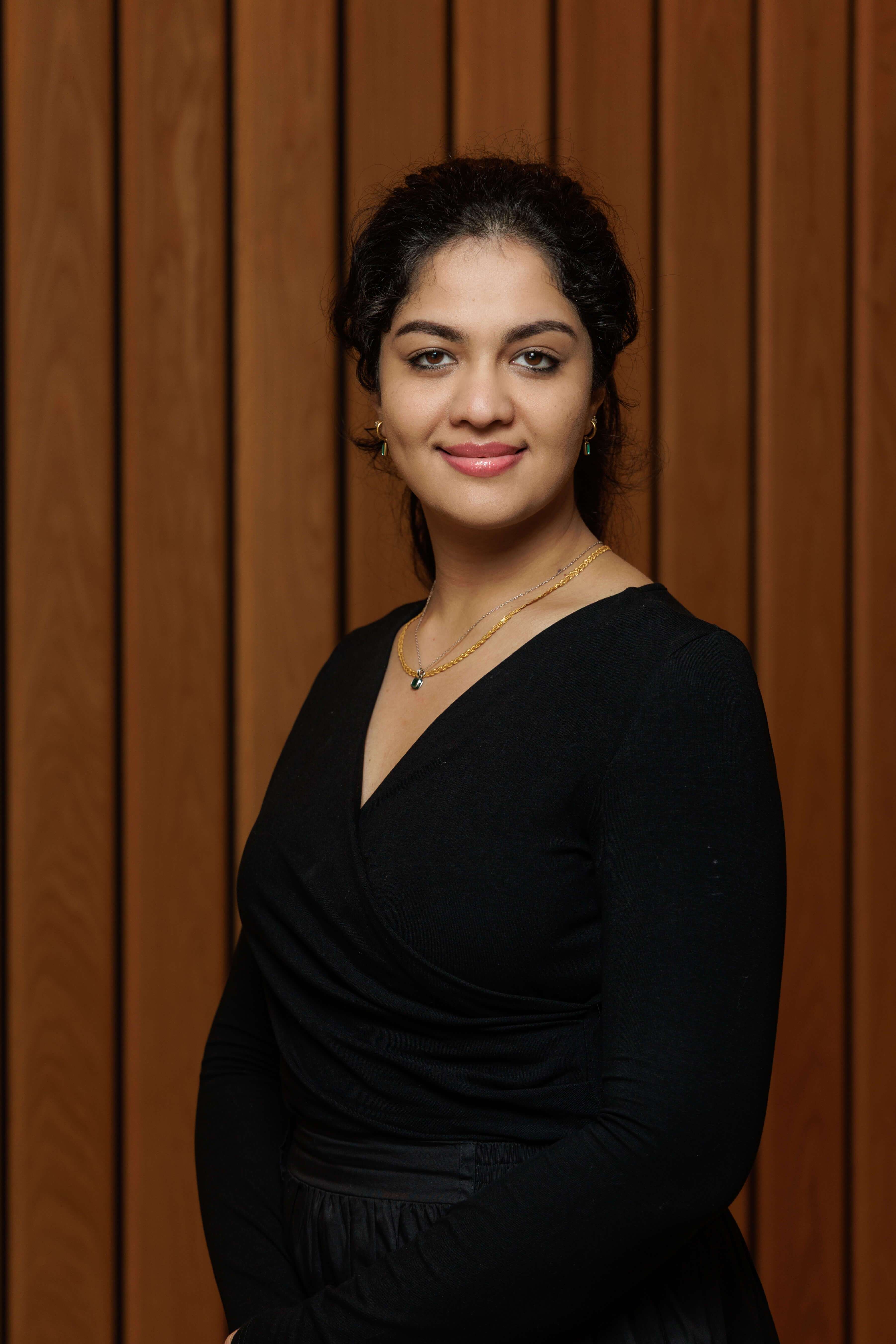
Dr Aaminah Khan
Early-Career
Dr Aaminah Khan is an early-career researcher at the Children's Cancer Institute in the brain tumour group and a conjoint associate lecturer at the University of New South Wales. She earned her doctorate in January 2021, becoming the first to receive a research PhD in Australia with a focus on diffuse intrinsic pontine glioma (DIPG). Her research revolves around developing novel therapeutic strategies for paediatric brain tumours, leveraging metabolic and epigenetic inhibitors. With a strong background in drug testing using patient-derived brain cancer cell lines and orthotopic animal models, she is devoted to translational research, bridging the gap between the lab and clinical trials.
Dr Aaminah Khan is an early-career researcher at the Children's Cancer Institute in the brain tumour group and a conjoint associate lecturer at the University of New South Wales. She earned her doctorate in January 2021, becoming the first to receive a research PhD in Australia with a focus on diffuse intrinsic pontine glioma (DIPG). Her research revolves around developing novel therapeutic strategies for paediatric brain tumours, leveraging metabolic and epigenetic inhibitors. With a strong background in drug testing using patient-derived brain cancer cell lines and orthotopic animal models, she is devoted to translational research, bridging the gap between the lab and clinical trials.
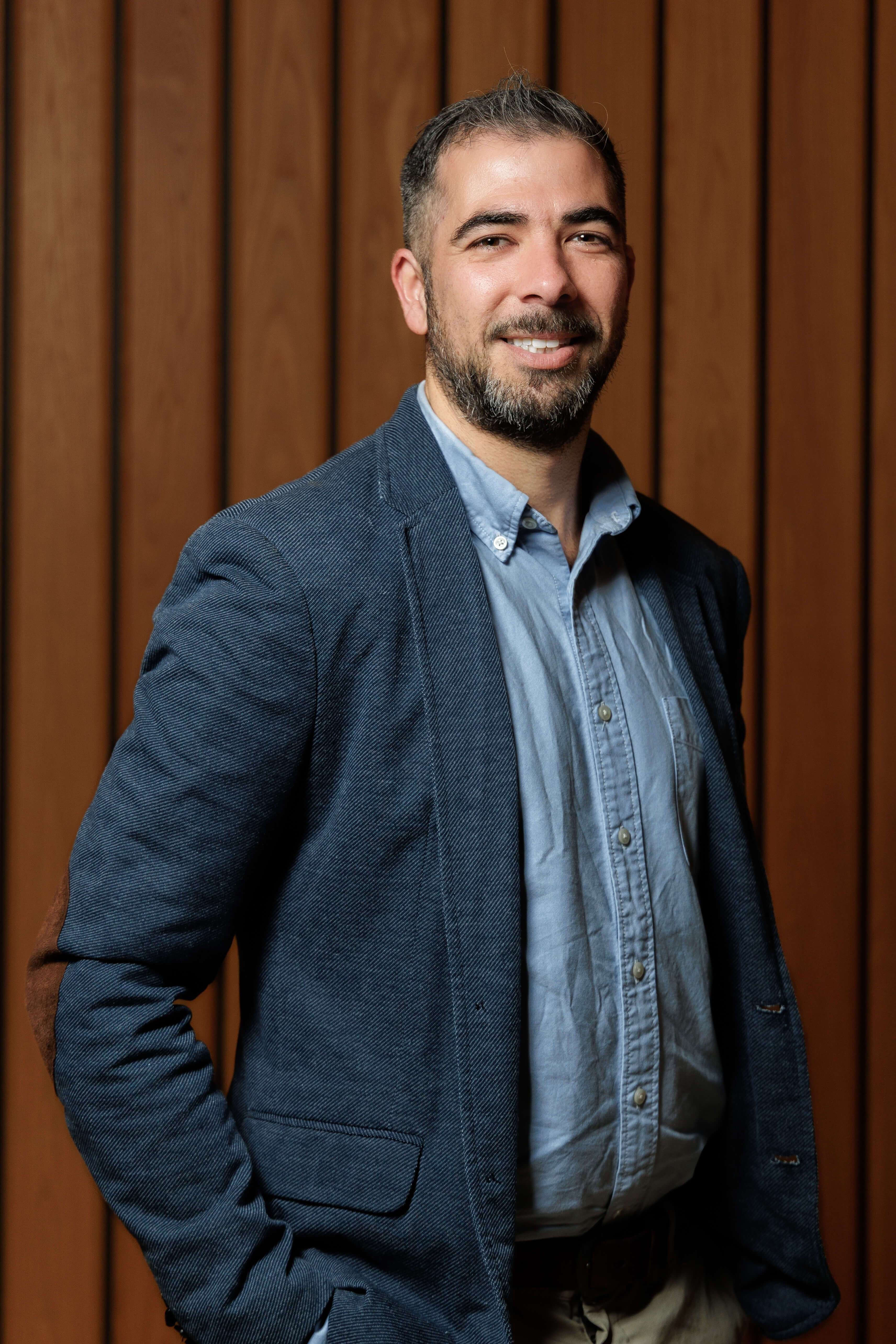
Dr David Mizrahi
Dr David Mizrahi is an Accredited Exercise Physiologist and researcher at the University of Sydney’s Daffodil Centre. His research examines how exercise during and after cancer treatment can improve physical health, wellbeing and clinical outcomes for children and adults.
David’s childhood cancer research focuses on making physical activity support more accessible and responsive to individual needs. His Col Reynolds Fellowship supports work to understand family preferences, assess children’s needs after treatment and evaluate exercise programs during treatment.
He aims to develop practical programs that children can continue with support from their families, friends and schools. By studying both the benefits of exercise and how it can become part of routine care, David hopes to improve health throughout treatment and survivorship.