
Paddy’s story: Survival is only the beginning
2026-10-15
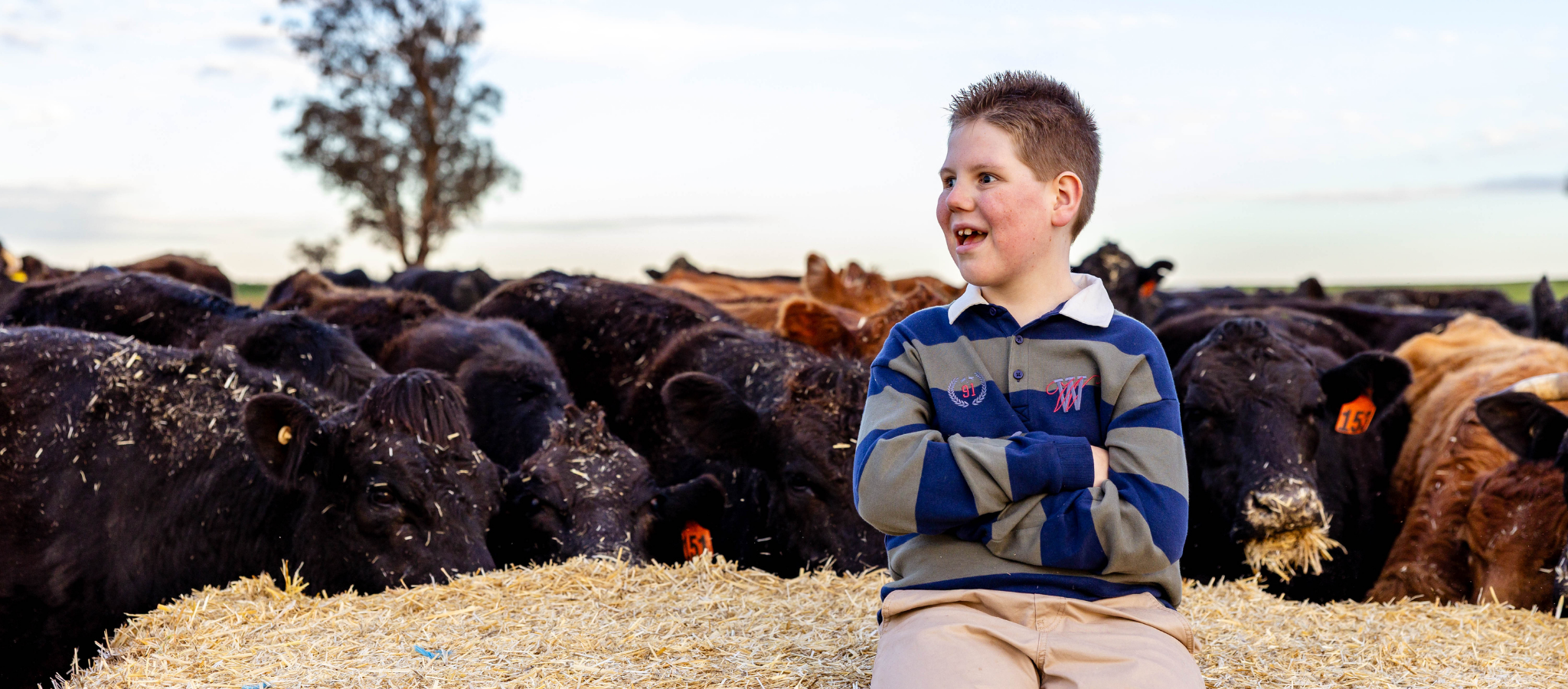
“Paddy was born quite happy and healthy, but he would scream most nights,” Kristy recalls. At first, she thought he might have reflux, like his older sister, Audrey. But she couldn’t shake the feeling that something was wrong.
After a GP referred Paddy to an ophthalmologist, Kristy was told the eye movements were unlikely to be anything serious. But as the months passed, Paddy became increasingly sensitive to movement and regularly vomited when they tried to introduce solid foods.
“I still knew something wasn’t right,” Kristy says.
A new paediatrician ordered an MRI within 24 hours, which revealed a mass on Paddy’s brain. “We were in Wagga Wagga for the scan and had to come back to our farm to pack," Kristy recalls. “We went straight to Sydney that same day.”
We didn’t know how long we were going for. I still remember saying goodbye to our Audrey, taking a photo of her hugging Paddy and wondering, what if this was their last time together?
Paddy was soon diagnosed with a pilocytic astrocytoma growing in his optic nerve.
He spent a month in hospital and underwent surgery to remove the tumour. Then came more devastating news: Paddy would be permanently blind, and need chemotherapy.
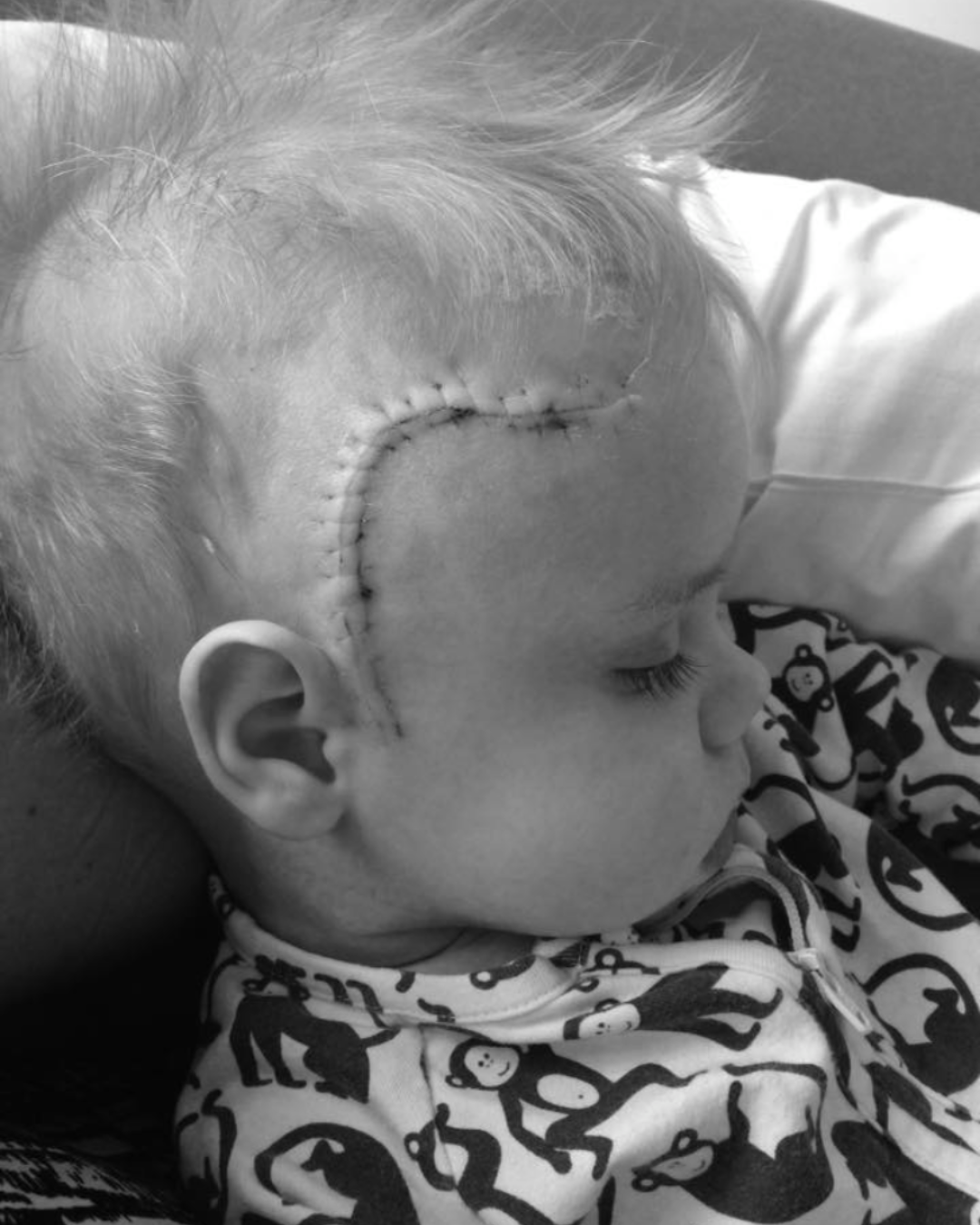
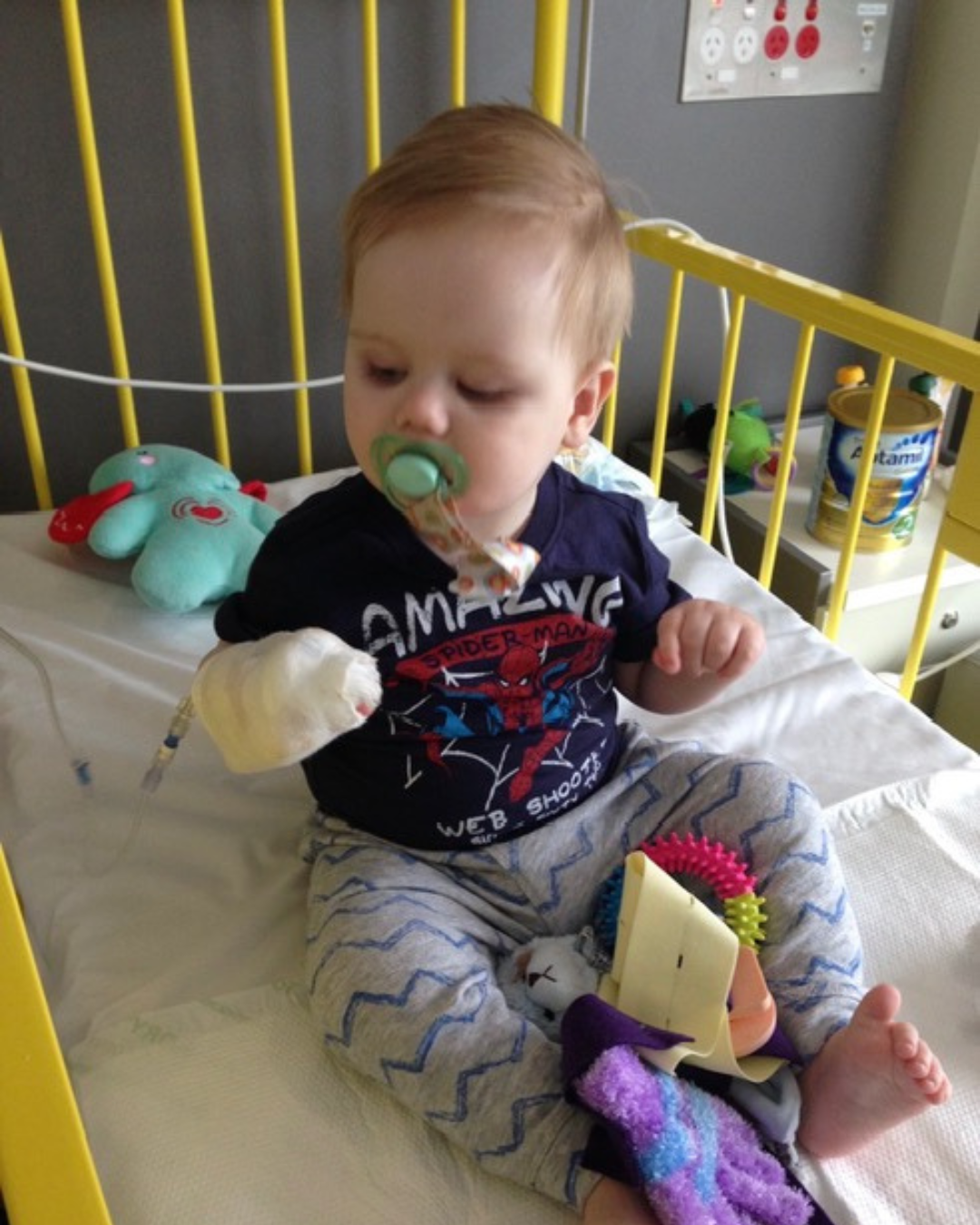
“Learning all of this within the space of a couple of hours was a really blunt blow,” Kristy says.
For more than a year, treatment meant frequent 700-kilometre round trips to Sydney, and time away from Audrey. Kristy was also responsible for managing Paddy’s medication and care at home.
“In hospital, the nurses do everything, and then you come home, and suddenly you’re responsible for making sure he gets the right tablets at the right time,” she says. “He was taking around 15 tablets a day, which took a lot of energy and preparation.” A fever during chemotherapy could mean a sudden rush back to hospital. To help herself through those times, Kristy began challenging herself to find five things to be grateful for.
“I would think to myself, ‘Right, what are your five things while you’re in hospital? Because this is the hardest time to do it, so see if you can do it then,’” she recalls.
The practice helped Kristy see the hospital not only as a place associated with fear and disruption, but as somewhere Paddy could receive the care he needed.
.jpg)
Paddy’s doctors spent 12 months trying to get him onto an immunotherapy trial, but it had closed by the time he qualified. His medical team secured compassionate access to the medication, and Paddy received immunotherapy for two years.
After finishing chemotherapy, Paddy rang the bell for the first time, although he was too young to understand what it meant. Seven years later, after completing immunotherapy, he rang it again.
“This time, he was proud, and we celebrated with the doctors, nurses and people who had walked alongside him for years,” Kristy says.
For the past nine years, trips to Sydney have remained part of family life, with Paddy returning every three months for scans and follow-up care. The family tries to make these visits feel like mini holidays, often staying in Coogee and enjoying the beach. But while the trips have become routine, the experience has also had a lasting impact on the whole family.
Now in Year 4, Paddy loves school, spending time with friends, playing the drums and jumping on the trampoline with Audrey and his younger brother, Alec. He is a happy and energetic boy, but the effects of cancer treatment remain part of everyday life. Paddy is blind and has ongoing endocrine issues, with regular appointments and support including physiotherapy and occupational therapy.
“We are incredibly grateful that research created treatment options for Paddy when we needed them,” Kristy says. “But we also met families whose children didn’t have those same options.”
After Paddy’s diagnosis, the family redirected their regular charitable donations to The Kids’ Cancer Project, wanting to help other families access the treatment options that had made such a difference for him.
“We just thought we need to try and give other parents the same treatment opportunities we’ve had for Paddy,” Kristy says. “This is our way of making sure we’re contributing in some way.”
.jpg)