0

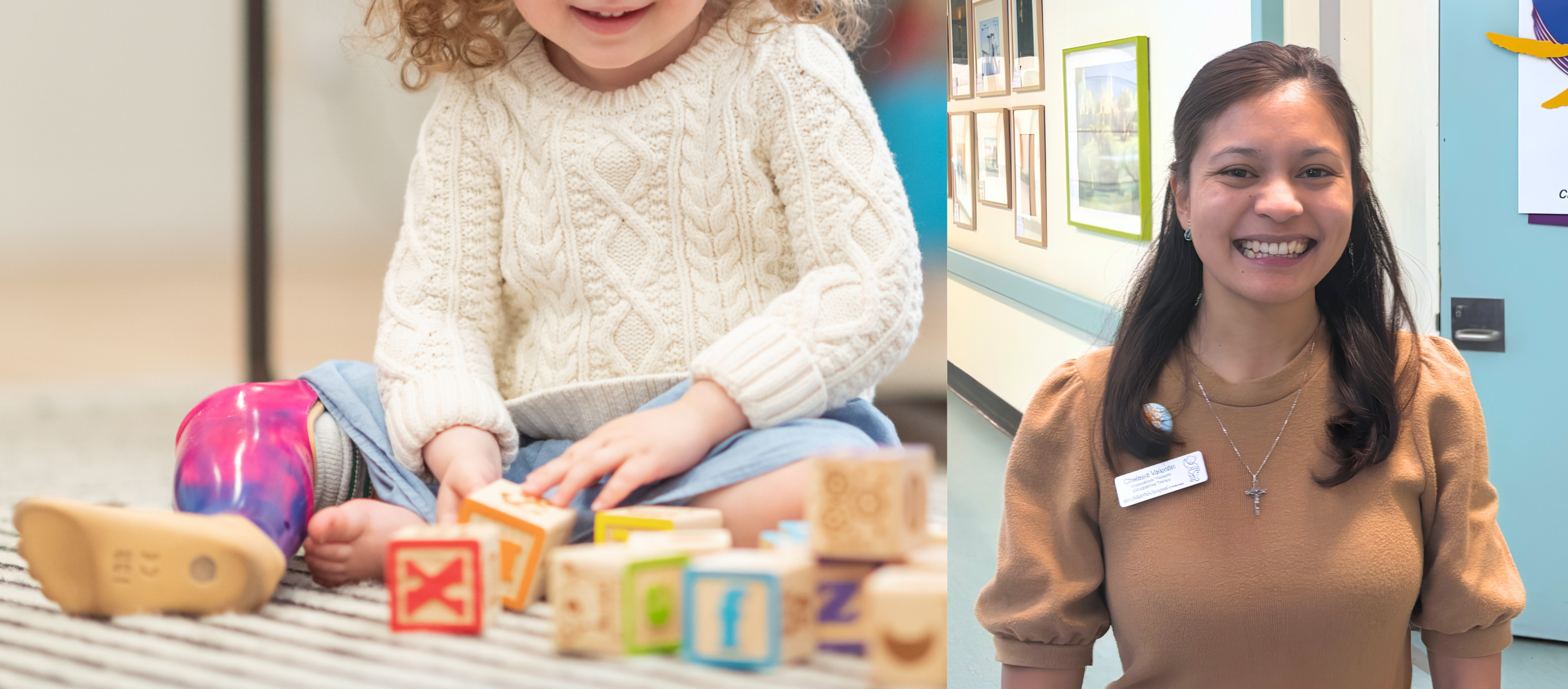
Cancer and its treatment can have lasting effects on a child's development, physical function and ability to participate in everyday life. From playing with friends and attending school to developing new skills and building relationships, its impact can reach far beyond the hospital walls.
It's an area of research that Col Reynolds PhD Scholarship recipient Chelsea Valentin is working to better understand.
An occupational therapist and PhD researcher at UNSW's Behavioural Sciences Unit, working through the Sydney Children's Hospital Network, Chelsea is investigating how childhood cancer affects children's development and quality of life, and how occupational therapy can help address these challenges.
“I wanted to give them the best answers possible to all their questions about their participation in life post-cancer,” she says.
Looking beyond the diagnosis
Occupational therapy helps children develop the skills and confidence to participate in everyday activities, from learning and playing to socialising and building independence.
Yet, there is still more to understand about how occupational therapy can best support children throughout their cancer journey.
Chelsea's research aims to address this gap by examining the impact of cancer on children's development and identifying ways occupational therapy can minimise its adverse effects.
Her work will also help establish standardised, evidence-based guidelines for occupational therapy in childhood cancer care. “My PhD research will help clinicians, patients and their families understand how to best support the participation and development of kids undergoing childhood cancer treatment and improve their quality of life and long-term outcomes,” she says.
More than surviving
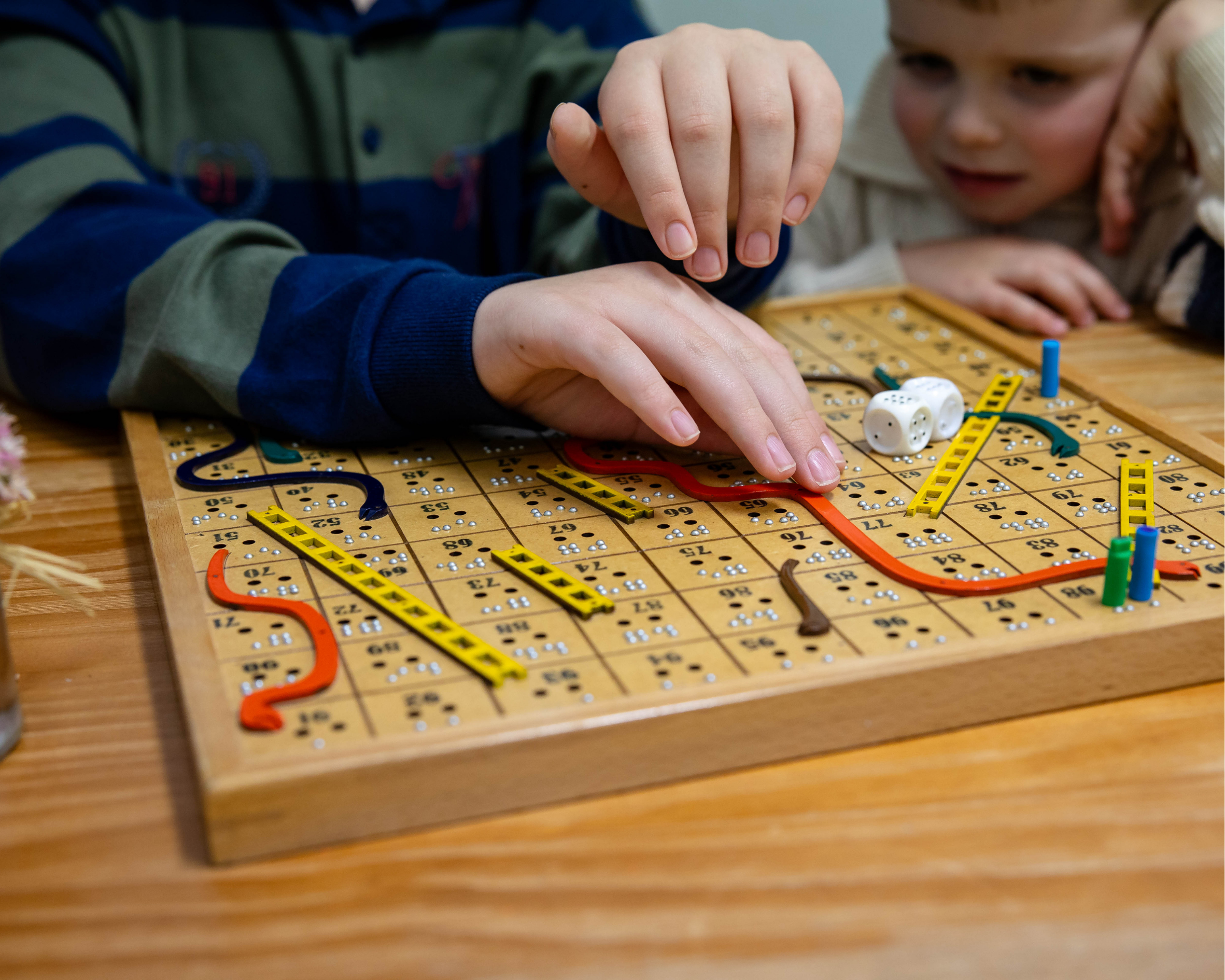
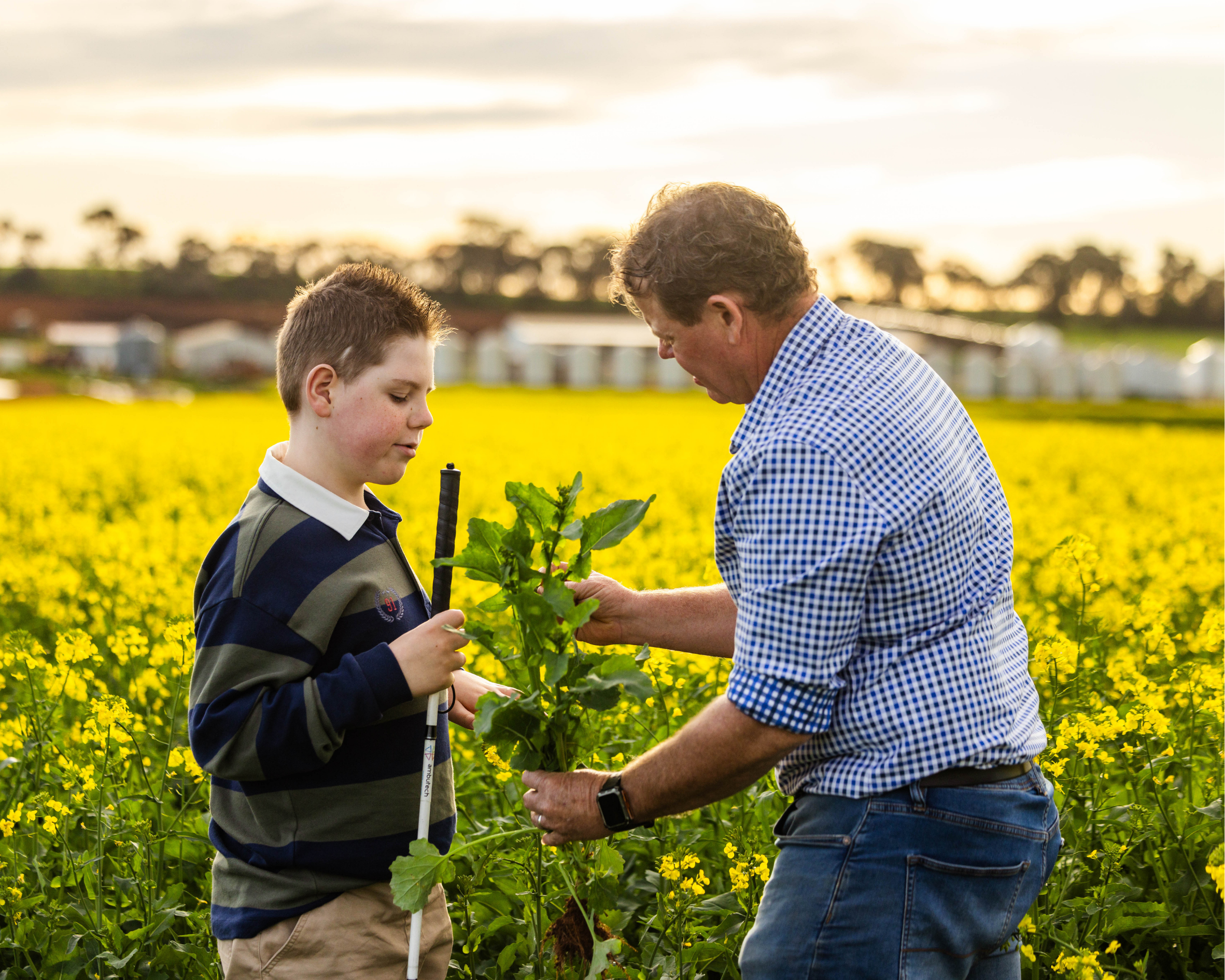
For children like Paddy, this research has particular significance.
Diagnosed with a brain tumour at just eight months old, Paddy has spent much of his young life navigating the effects of cancer and its treatment. Although treatment helped him survive, he continues to face challenges, including vision impairment and other health and developmental needs.
His story is a reminder that the childhood cancer journey doesn't necessarily end when treatment finishes. For many families, that's when a different set of challenges begins.
Research like Chelsea's is helping address this often-overlooked part of childhood cancer care, exploring how children can be better supported to develop, participate and enjoy everyday life.
Giving children the chance to be children
Chelsea's passion for this research comes from her experience as an occupational therapist working with children.
“I saw the need to develop evidence-based procedures surrounding occupational therapy practices in childhood cancer,” she explains. “This spurred on my desire to add more to this field of research, with a strong focus on the development, participation and quality of life for the children and their families affected by childhood cancer.”
Through support from The Kids' Cancer Project, researchers like Chelsea are helping broaden what successful childhood cancer research looks like. Because progress isn't measured by survival alone. It's also about giving children the opportunity to learn, play, grow and enjoy being kids. For children like Paddy, that means looking beyond cancer and towards a future where they can live well beyond it.