0

The Australian Government’s investment in childhood, adolescent and young adult cancer is a powerful demonstration of its commitment to making a difference for young Australians with cancer. Importantly, it also strengthens a growing national effort, bringing the sector together to turn investment into life-changing research, treatments and care.
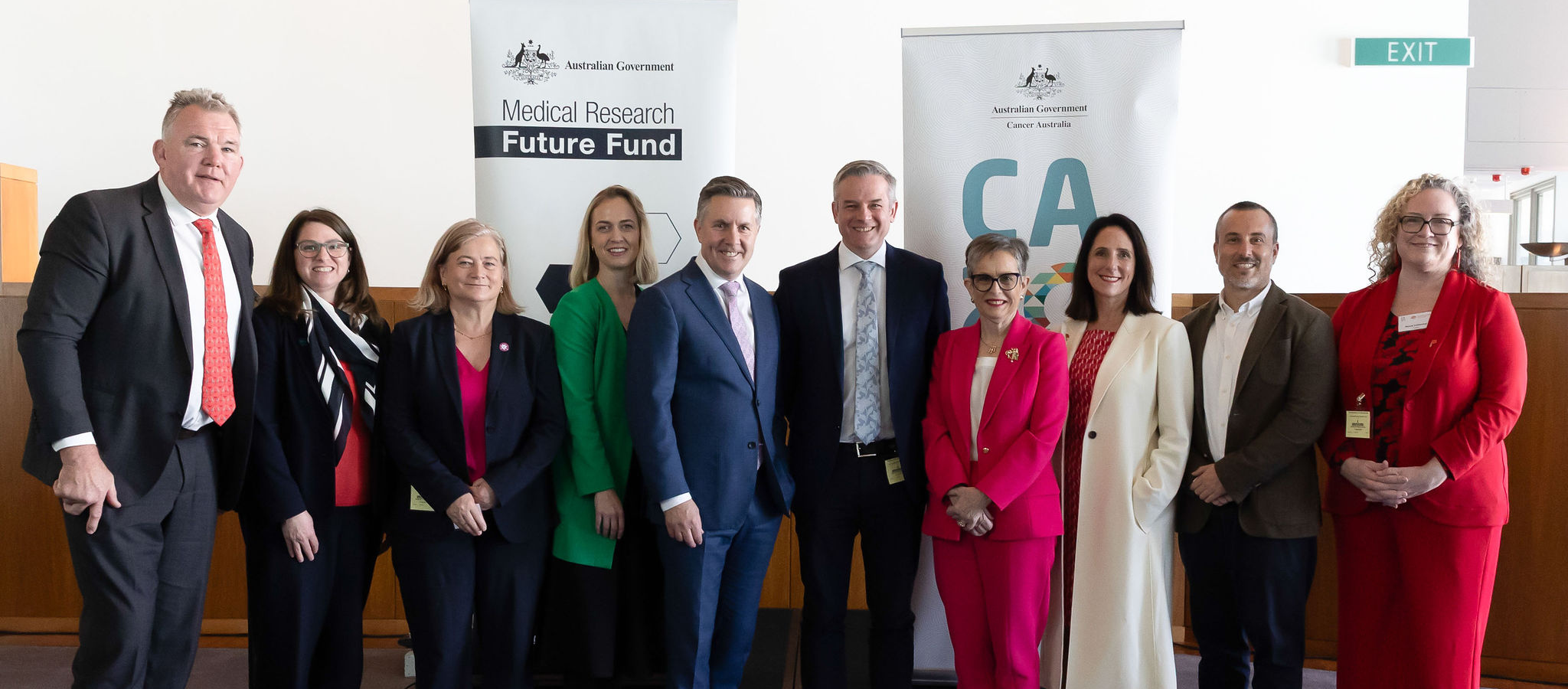
On September 8, 2026, the Australian Government announced its first investment through the CAYA Cancer Mission at an event at Parliament House in Canberra, committing $5 million over five years to support Australian participation in the LifeArc Worldwide CAR-T Pathfinder Trial and Paediatric Cell Therapy Accelerator. The announcement brought together representatives from government, research, clinical care, philanthropy and the community sector, united by a shared commitment to improving outcomes for young Australians diagnosed with cancer.
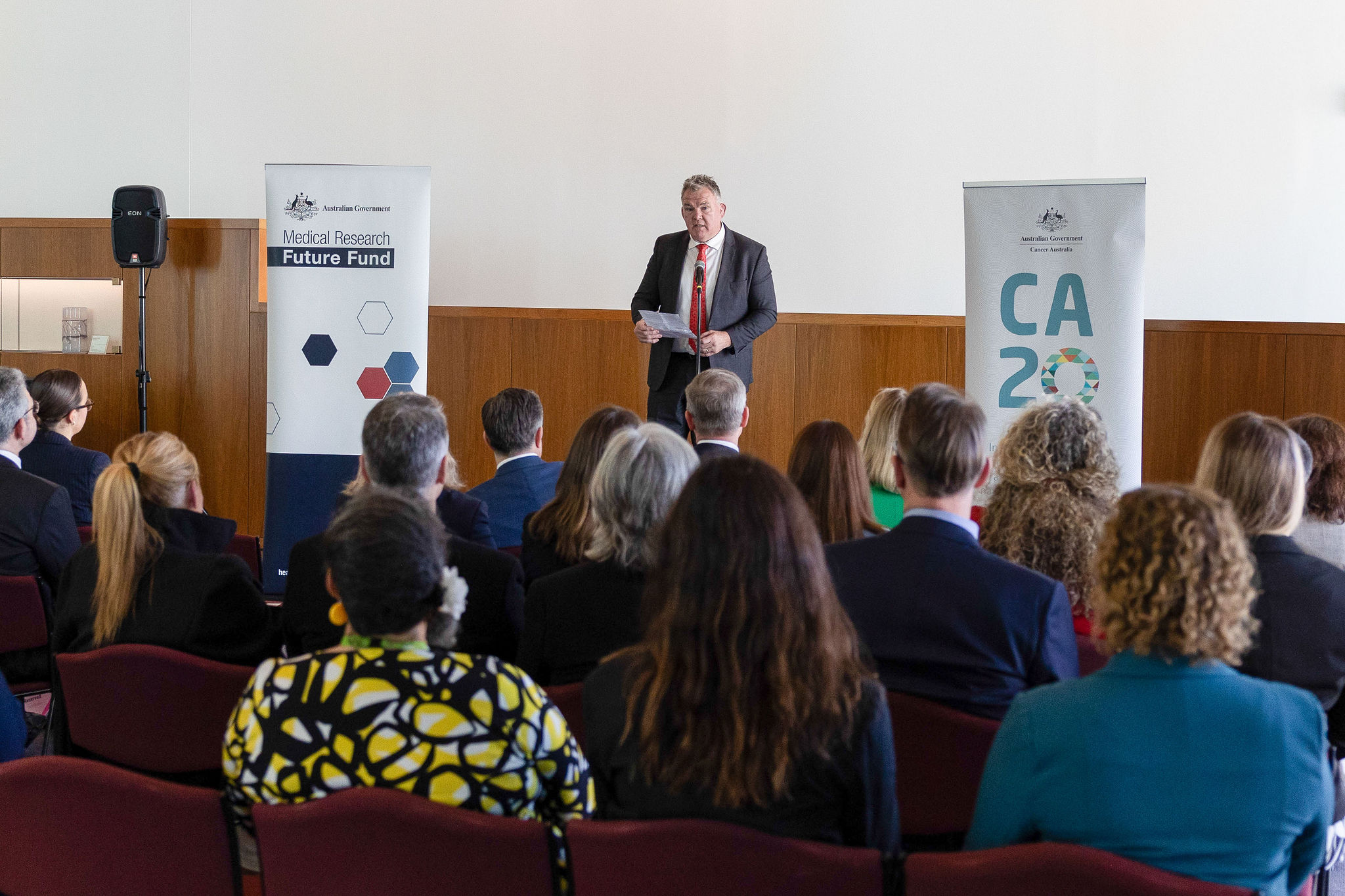
Among those representatives was Owen Finegan, Chief Executive Officer of The Kids’ Cancer Project, who spoke on behalf of the Childhood, Adolescent and Young Adult Cancer Collaborative.
“Today’s announcement is an important reminder that improving outcomes for children and young people with cancer requires a genuinely collaborative, whole-of-sector approach. Government, Cancer Australia, like-minded charities, clinicians, researchers, allied health professionals, advocates and people with lived experience all bring different strengths, perspectives and expertise to the table,” he says.
Finegan welcomed the Australian Government’s investment and its significance for the CAYA Cancer Mission and the broader sector.
The Roadmap and the Childhood, Adolescent and Young Adult Cancer Mission provide a significant opportunity to bring those strengths together around a shared national purpose that will turn ambition into meaningful action.
As the sector moves from developing the Roadmap to putting its priorities into action, the voices and experiences of people with lived experience must remain central. Research, models of care and investment should be informed not only by policy and scientific opportunity, but by the realities faced by children, young people and their families.
“By working together while respecting each organisation’s expertise, governance and funding priorities, we can build a stronger, more connected sector – one capable of delivering better research, better care and ultimately better outcomes for every child and young person affected by cancer,” says Finegan.
Finegan and the Collaborative also acknowledged Minister for Health and Ageing, The Hon Mark Butler’s leadership in establishing the new CAYA Cancer Mission. The recognition of childhood, adolescent and young adult cancer as an area requiring a coordinated national response provides an important platform for the sector to work together and build on existing capabilities across Australia.
“Today, we are taking an important first step in delivering that commitment through the first grant opportunity under the Childhood, Adolescent and Young Adult Cancer Mission,” says The Hon Mark Butler MP, Minister for Health and Ageing.
The Government’s investment in the recently announced Medical Research Future Fund (MRFF) Australian Cancer Research Program (ACRP), including the LifeArc CAR-T Pathfinder Trial, aligns with key priorities identified across the sector. Expanding access to emerging therapies and strengthening Australia’s research and clinical trial capabilities are important steps towards ensuring Australian children and young people with cancer can access promising new treatments as they become available.
“It will help bring world-class international CAR-T clinical trials closer to home for Australian children and young people with cancer. More families may be able to access promising new therapies in Australia, rather than facing the significant financial and emotional burden of travelling overseas for treatment,” says The Hon Mark Butler MP, Minister for Health and Ageing.
The establishment of the CAYA Cancer Mission represents an important opportunity to turn a shared national ambition into sustained action. Together, the sector can build on the progress already achieved, strengthen the foundations for the future and work towards lasting improvements for children and young people with cancer and their families – helping them not only survive, but thrive.