
0

Types of CSR programs
When it comes to setting up effective corporate social responsibility programs, the levels of potential involvement and engagement are many and varied.
They can range from simple donations of cash or time, all the way through to highly involved, sponsorship alliances. Patrick Phibbs, The Kids’ Cancer Projects Head of Partnerships, explains:
Corporate social responsibility (CSR) is about companies adopting a strategic approach towards behaving responsibly and ethically, making efforts in improving society, and contributing towards sustainable development...
CSR is now so important in the business landscape, but it’s more than a one-size-fits-all approach. It depends on the organisation and the degree to which they decide to become involved with a charity or cause.
Whatever the involvement, it’s essential both parties understand the kind of partnership that best suits their mutual needs, chartered accountant Brett Dunn of Marsh Tincknell states:
Some initial work needs to be completed to ensure both parties know the extent of their obligations and commitment to maintaining such a relationship...
There are a number of different types of CSR partnership programs to choose from:
Workplace giving
Also known as pre-tax giving and payroll giving, this is a straight-forward way for businesses and employees to donate cash to charities or other causes and receive a tax deduction in the process. Brett explains:
Our firm - Marsh Tincknell - does this each month, where the employees donate to the selected charity and then the firm matches it dollar for dollar...It’s direct and no fuss.
For The Kids’ Cancer Project, payroll giving is a great entry point for Corporate Partnership.
For companies who want to learn a bit more about us before making a major commitment, workplace giving is a great leaping off point...It’s also a very good add-on for those partners who have been with us for some years and want to offer their staff more ways to get involved.
Pro-bono services
This works when an organisation identifies the ways they can contribute their skills or expertise to assist in the running of a charity or worthwhile cause. It’s just one of the ways organisations choose to partner with The Kids’ Cancer Project. Patrick Phibbs relates:
Examples of this range from when the insurance company QBE assisted us with our human resource policies, through to Smartways Courier Service delivering our toy bears to children in hospitals...
Gifts in kind
Where pro-bono services are about skills or expertise, gifts in kind offer an opportunity for organisations to donate services or products to be used either in the running of their chosen charity or as gifts for fundraising.
Patrick says this kind of a CSR program has been of major benefit to The Kids’ Cancer Project in the past with partners like Bromic gifting outdoor heating products for an online auction, and Caltex giving fuel vouchers to enable the charity to hit the road to raise awareness and funds for medical research. He continues:
Gifts do so much to help us run the charity, as well as help with exposure so more people become aware of what we do...
Learn more: Case Study | SAS Data for Good
Percentage of sales
A commitment by an organisation to donate a percentage of their total sales to a charity partner, this kind of CSR program can be set up either as a one-off event or part of on-going support. Brett Dunn continues:
This is a partnership deal that needs to be negotiated carefully from the very start to ensure there will be sufficient funds to make the commitment work...
Major sponsorship
Major sponsorship represents a significant commitment and is when an organisation aligns itself with a specific charity or cause to offer vital support. Brett explains:
Being affiliated as a major sponsor with a charity or cause can raise an organisation’s corporate social responsibility profile through positive exposure or community reach – and that’s an integral part of corporate market positioning.
Learn more: Case study | Lorraine Lea
Trusts and Foundations
Non-profit entities, either Trusts or Foundations, whose purpose is to give away funds for community benefit, either through their own operation or by supplying grants to charities or causes they deem worthy. Brett continues:
Depending on an organisation’s CSR program, they can partner with a charity Foundation either through donations of cash, time or goods, or become part of the board of trustees making decisions on how funds are allocated.
Volunteer programs
Volunteering programs are an important part of corporate partnership programs says Patrick. He relates:
They provide the partner a way for employees to give back to the community while giving charities like The Kids' Cancer Project an opportunity to showcase the range of work we do...
This does necessitate, lots of communication on both sides as it can involve many people. Working in partnership on volunteering programs will ensure that they work for everyone.
Get in touch
With thanks to the support of our partners we can continue to fund vital childhood cancer research. Contact our team today to see how we can work together.
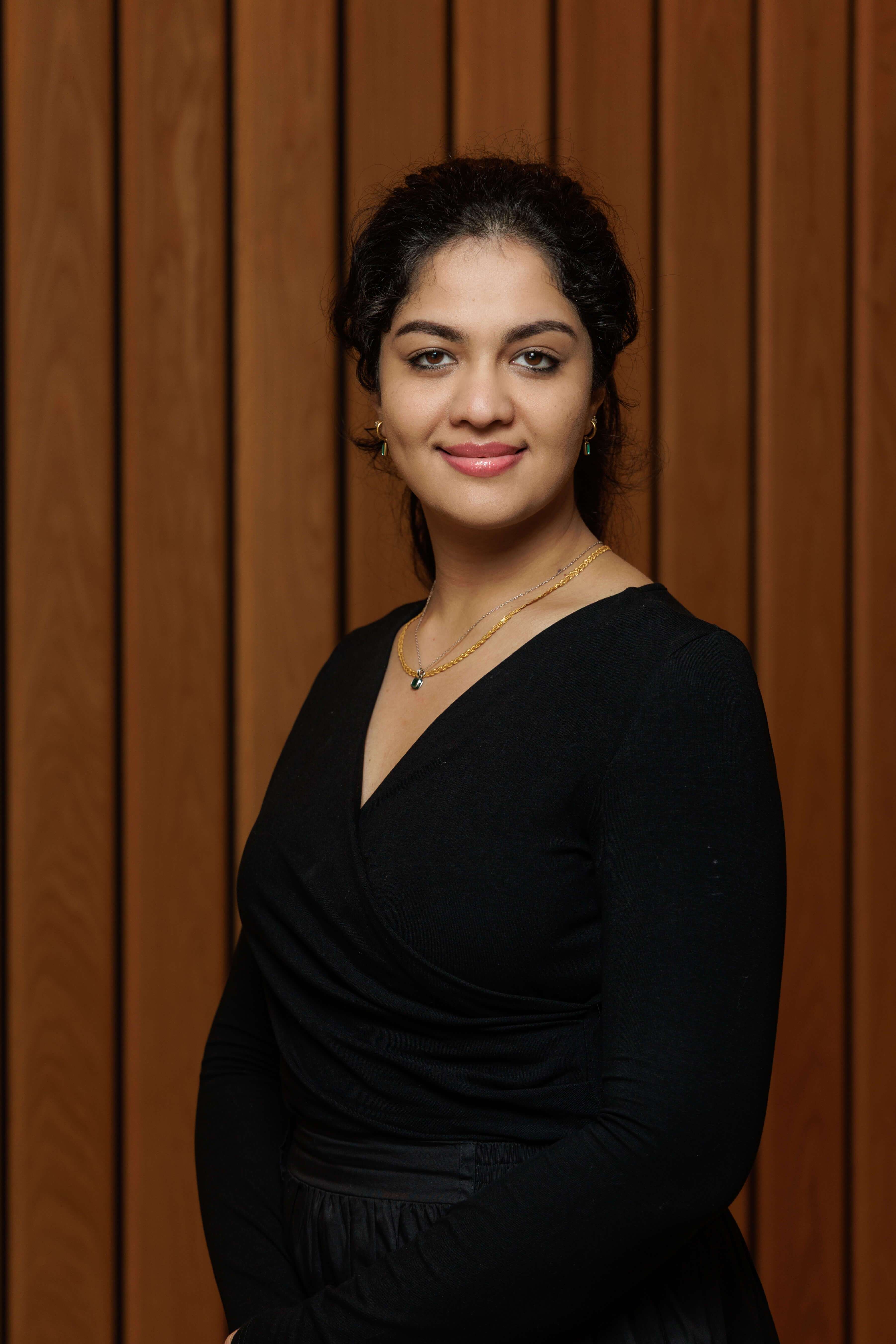
Dr Aaminah Khan
Early-Career
Dr Aaminah Khan is an early-career researcher at the Children's Cancer Institute in the brain tumour group and a conjoint associate lecturer at the University of New South Wales. She earned her doctorate in January 2021, becoming the first to receive a research PhD in Australia with a focus on diffuse intrinsic pontine glioma (DIPG). Her research revolves around developing novel therapeutic strategies for paediatric brain tumours, leveraging metabolic and epigenetic inhibitors. With a strong background in drug testing using patient-derived brain cancer cell lines and orthotopic animal models, she is devoted to translational research, bridging the gap between the lab and clinical trials.
Dr Aaminah Khan is an early-career researcher at the Children's Cancer Institute in the brain tumour group and a conjoint associate lecturer at the University of New South Wales. She earned her doctorate in January 2021, becoming the first to receive a research PhD in Australia with a focus on diffuse intrinsic pontine glioma (DIPG). Her research revolves around developing novel therapeutic strategies for paediatric brain tumours, leveraging metabolic and epigenetic inhibitors. With a strong background in drug testing using patient-derived brain cancer cell lines and orthotopic animal models, she is devoted to translational research, bridging the gap between the lab and clinical trials.
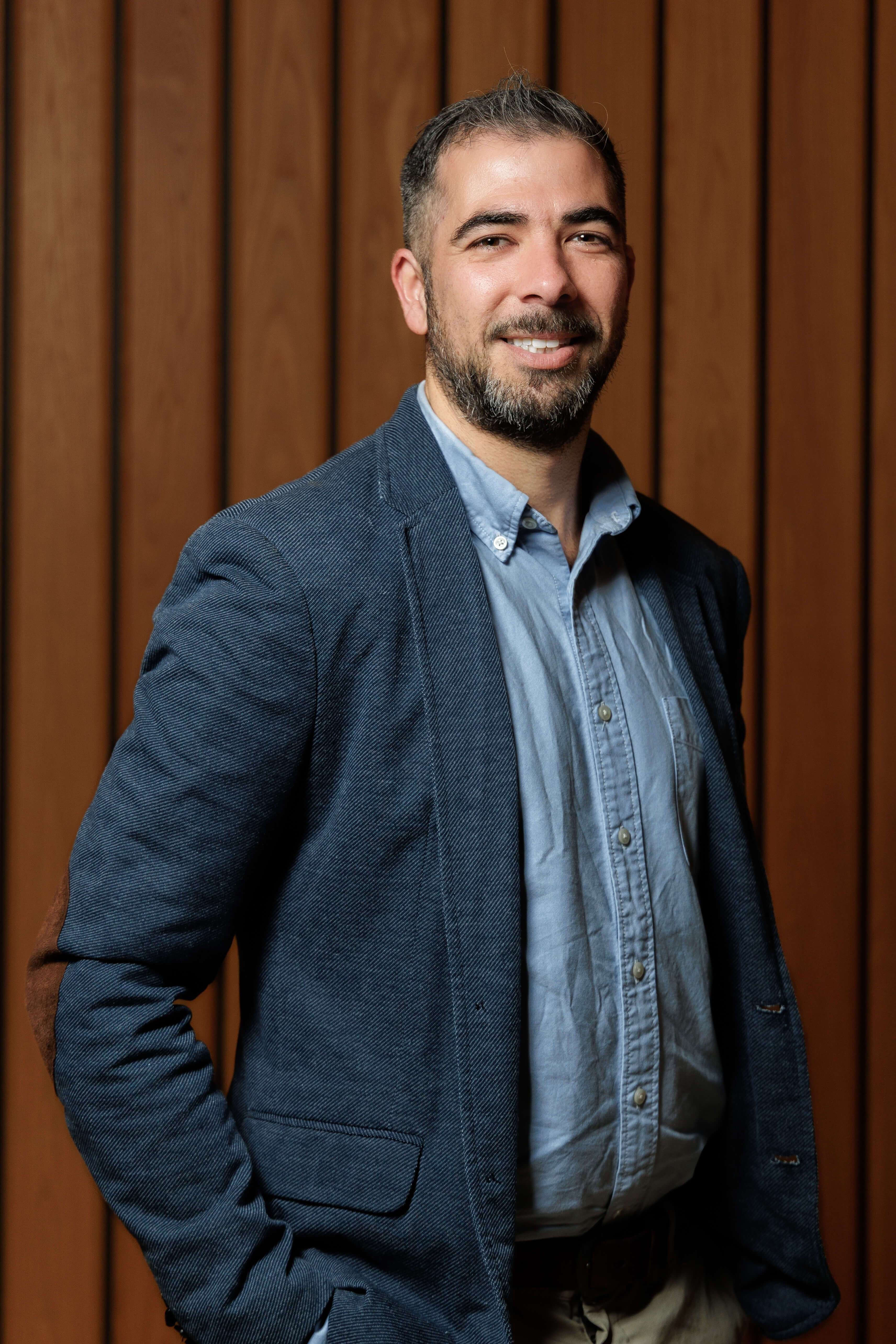
Dr David Mizrahi
Dr David Mizrahi is an Accredited Exercise Physiologist and researcher at the University of Sydney’s Daffodil Centre. His research examines how exercise during and after cancer treatment can improve physical health, wellbeing and clinical outcomes for children and adults.
David’s childhood cancer research focuses on making physical activity support more accessible and responsive to individual needs. His Col Reynolds Fellowship supports work to understand family preferences, assess children’s needs after treatment and evaluate exercise programs during treatment.
He aims to develop practical programs that children can continue with support from their families, friends and schools. By studying both the benefits of exercise and how it can become part of routine care, David hopes to improve health throughout treatment and survivorship.