
0
Timeline of our impact
More than 30 years of pioneering research transforming the future of childhood cancer.
For more than 30 years, The Kids' Cancer Project has invested in pioneering research that is transforming the future of childhood cancer.
From funding bold scientific discoveries and supporting the next generation of researchers to driving national collaborations and precision medicine, every investment has helped accelerate progress towards better treatments, higher survival rates and improved quality of life.
Explore the milestones that have shaped childhood cancer research – and the role your support has played in making them possible.
Milestones in childhood cancer research
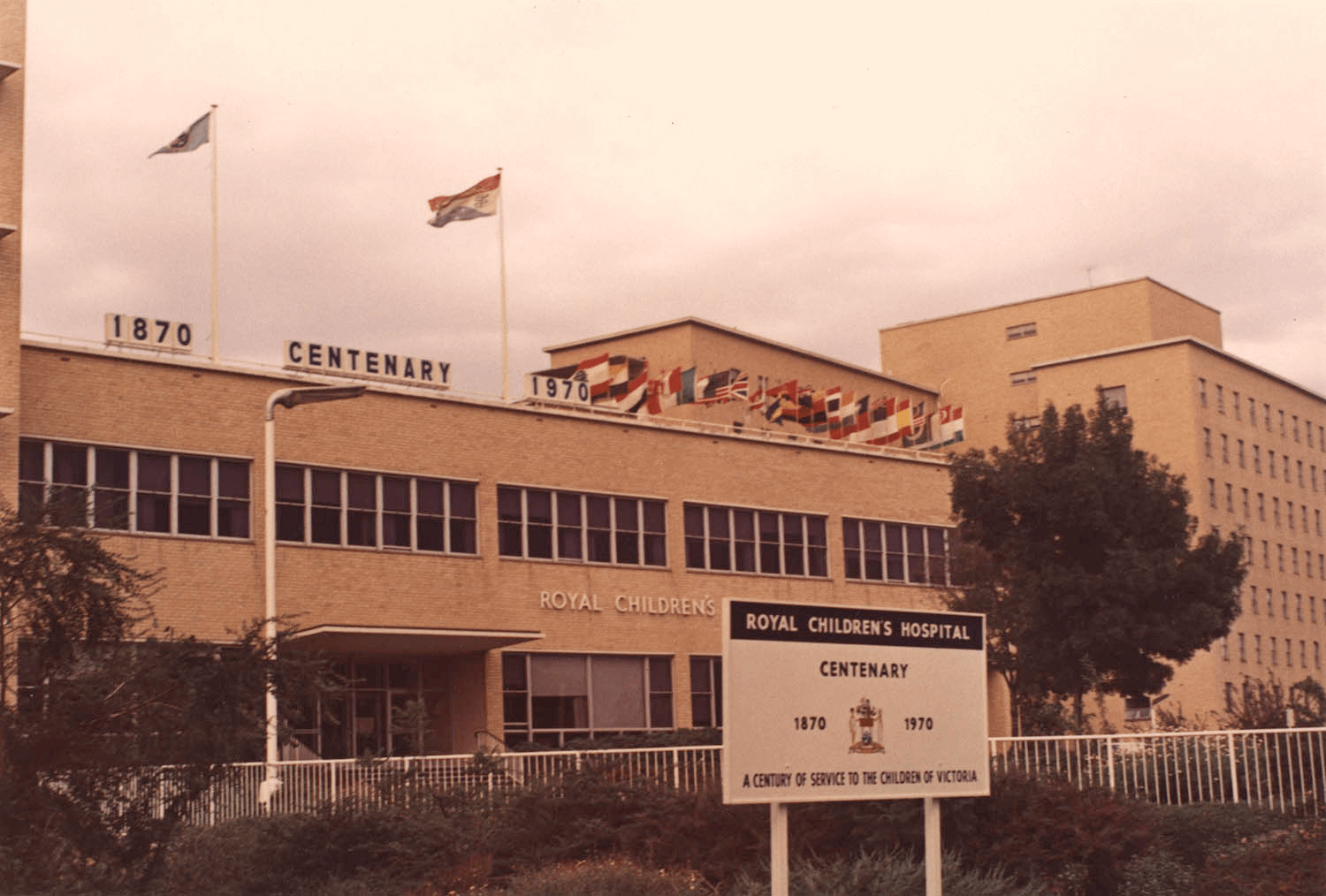
1962 - Dedicated children’s cancer care begins
Australia's first specialist paediatric oncology unit opens, marking a significant step forward in the treatment of children with cancer.

1986 - National clinical trials network launched
ANZCHOG is established, creating a collaborative clinical trials network that improves access to cutting-edge treatments for children across Australia and New Zealand.
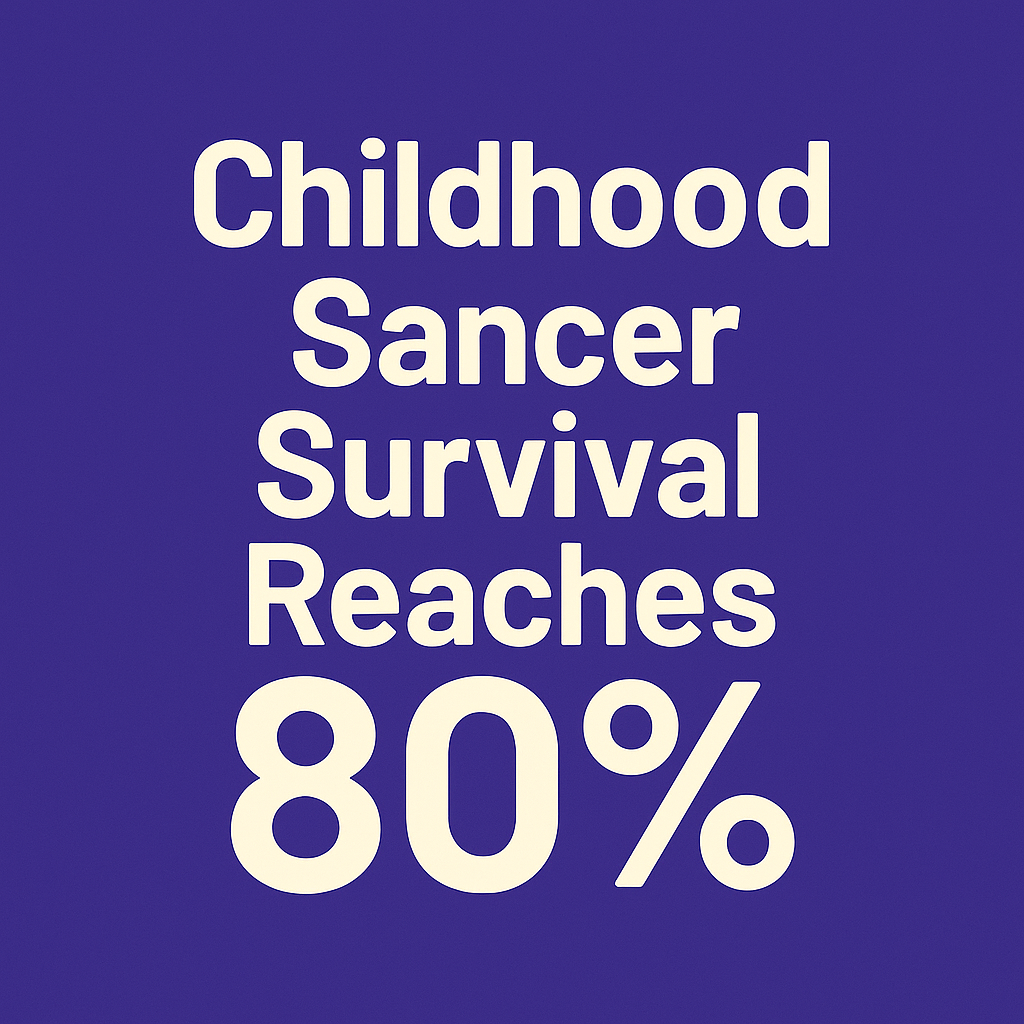
1999 - Survival rates reach 80%
Childhood cancer survival improves to approximately 80%, highlighting the life-saving impact of decades of research, better therapies and national collaboration.
2009 - Better outcomes for neuroblastoma
Advances in chemotherapy protocols significantly improve survival rates for children diagnosed with neuroblastoma, one of the most common childhood solid tumours.
2025 - Record investment in childhood cancer
The Australian Government commits $112 million to expand the ZERO Childhood Cancer Precision Medicine Program, building on years of investment from The Kids' Cancer Project and partners to deliver more personalised treatments for children nationwide.
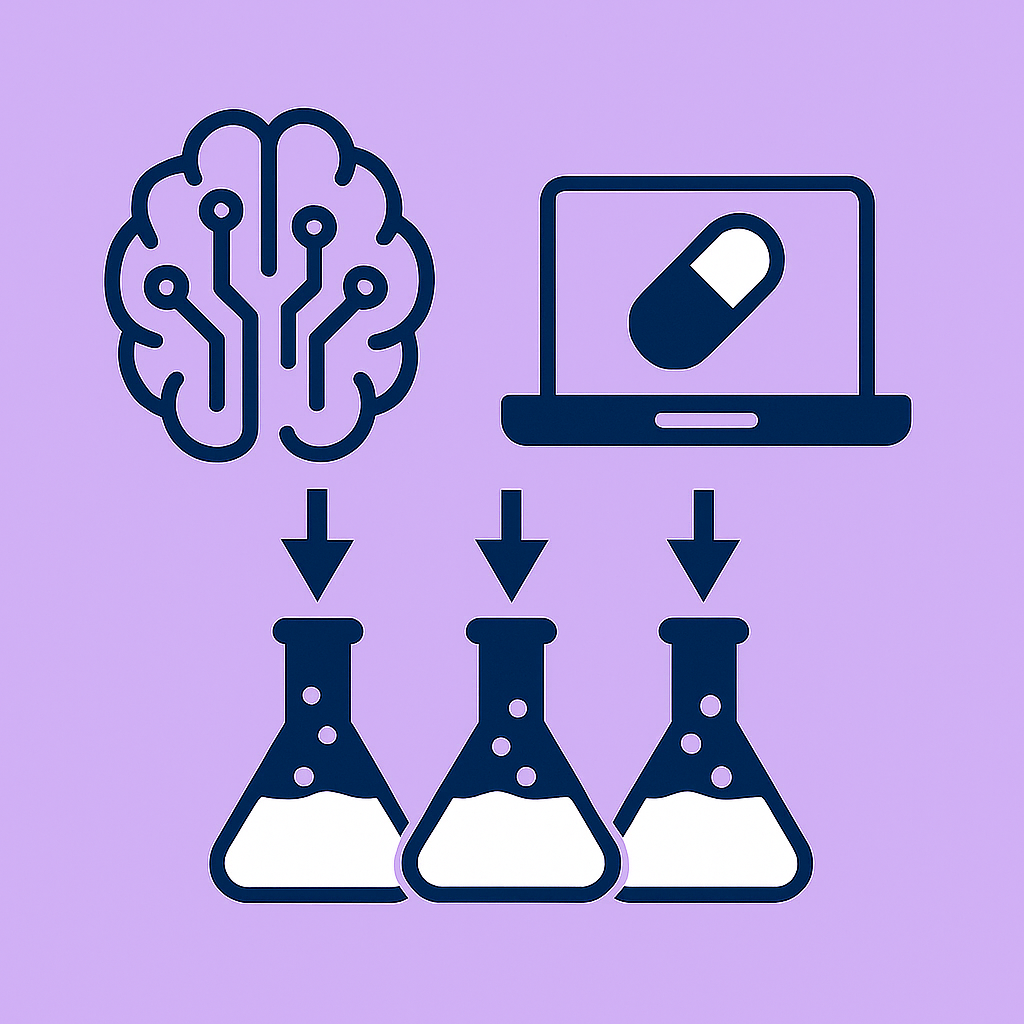
2019 - Artificial Intelligence accelerates discovery
Researchers begin harnessing artificial intelligence and complex datasets to identify new drug targets, improve diagnosis and accelerate the development of personalised childhood cancer treatments.

2017 - Brain Cancer Mission partnership
The Kids' Cancer Project becomes a funding partner in Australia's Brain Cancer Mission, strengthening national collaboration to accelerate research into paediatric brain cancers and improve outcomes for children.
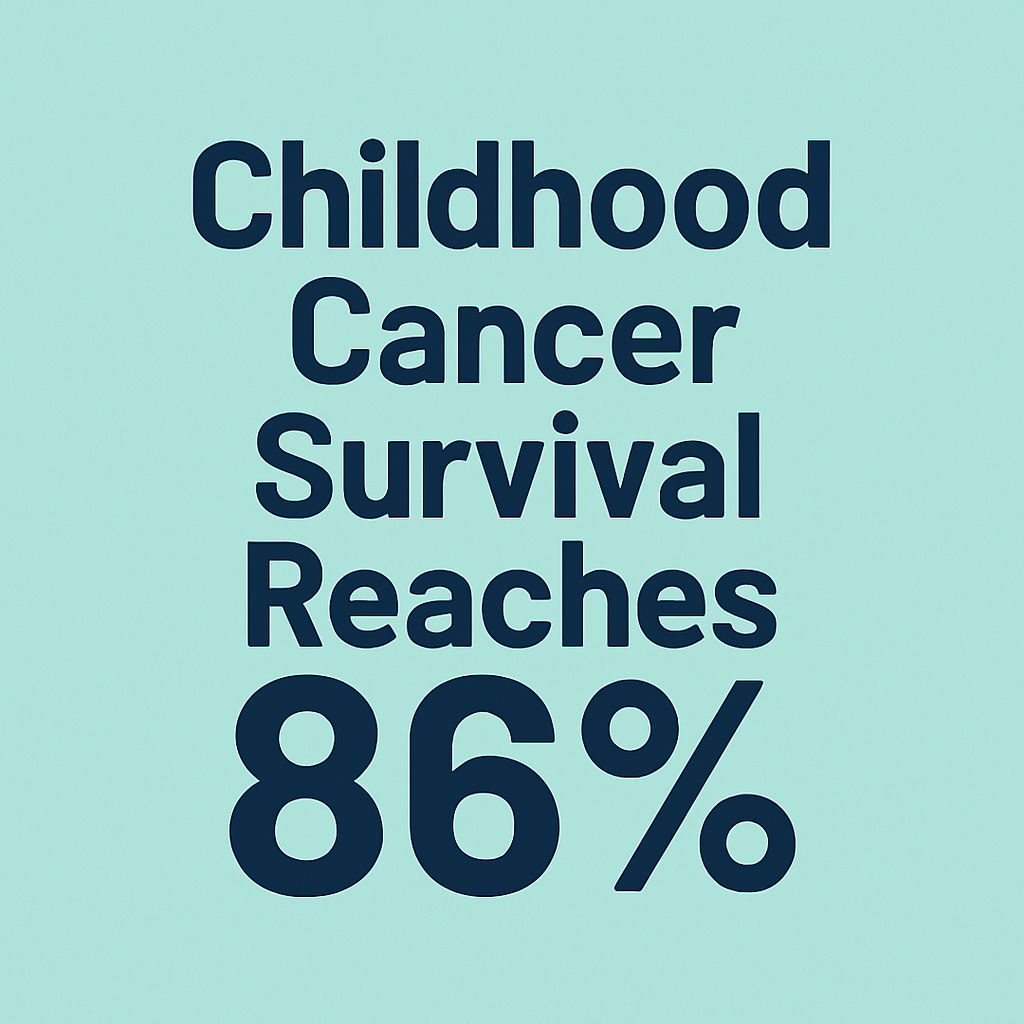
2025 - Childhood Cancer Survival at 86%
Childhood cancer survival has increased to 87%, reflecting decades of investment in research, clinical trials and improved models of care. The Kids' Cancer Project continues to fund innovative research aimed at improving survival while reducing long-term side effects.

1998 - Immunotherapy shows promise
Early antibody-based immunotherapies demonstrate encouraging results in treating neuroblastoma, laying the foundations for today's immunotherapy breakthroughs.
2008 - Investing in research infrastructure
Funding for tissue biobanks and shared research infrastructure strengthens collaboration between researchers and accelerates future discoveries across childhood cancer.
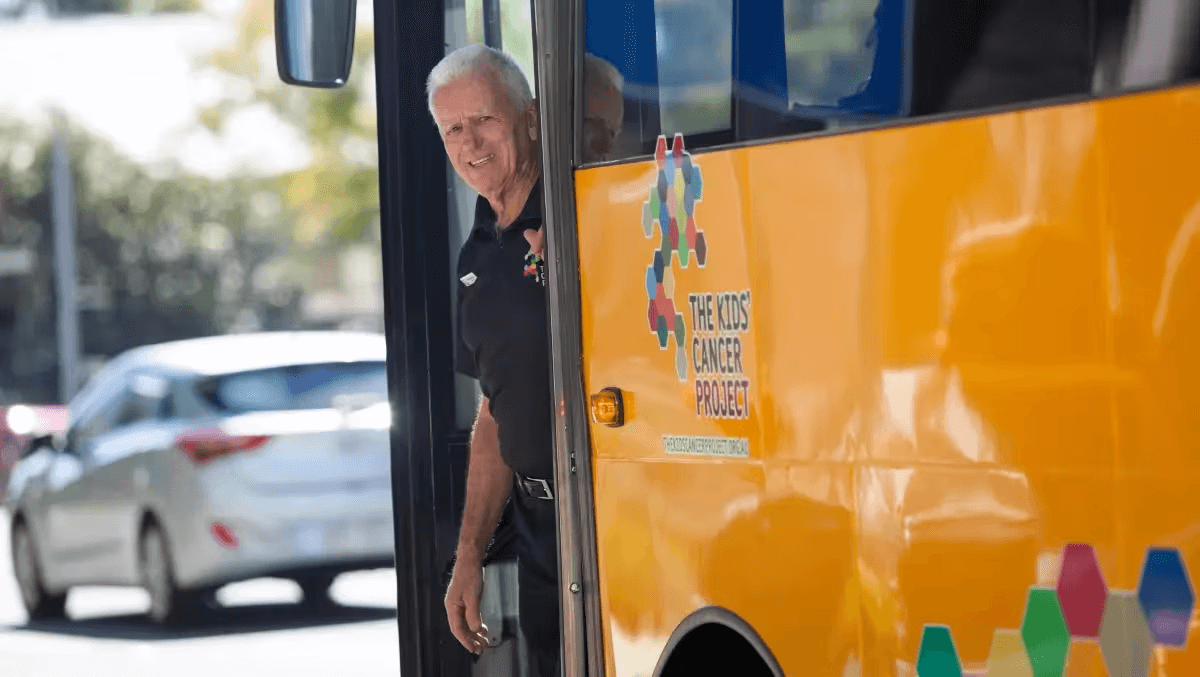
1983 - The inspiration for a legacy
A chance encounter between Col Reynolds and a young cancer patient inspires the creation of what would become The Kids' Cancer Project.
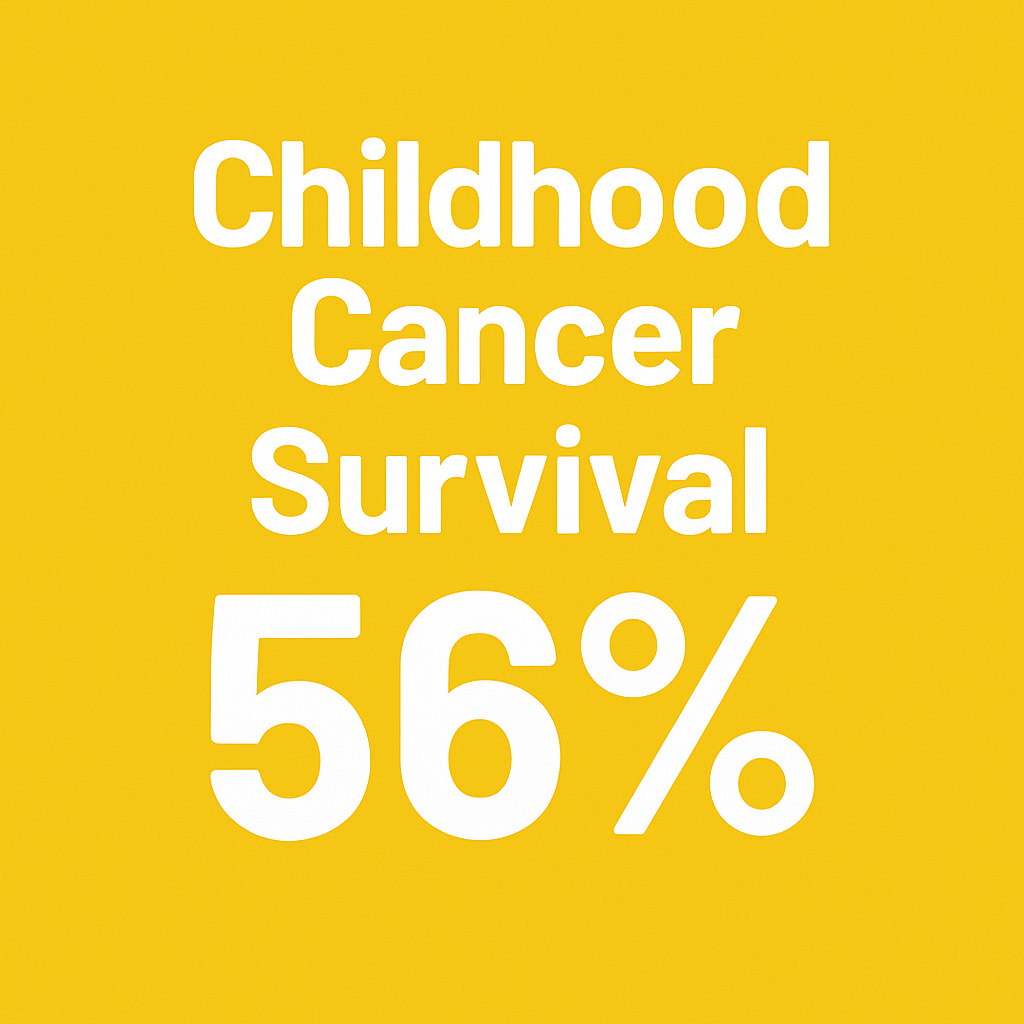
1960 - Survival rates are just 56%
Childhood cancer survival sits at just 56%, highlighting the urgent need for research investment and better treatment options.
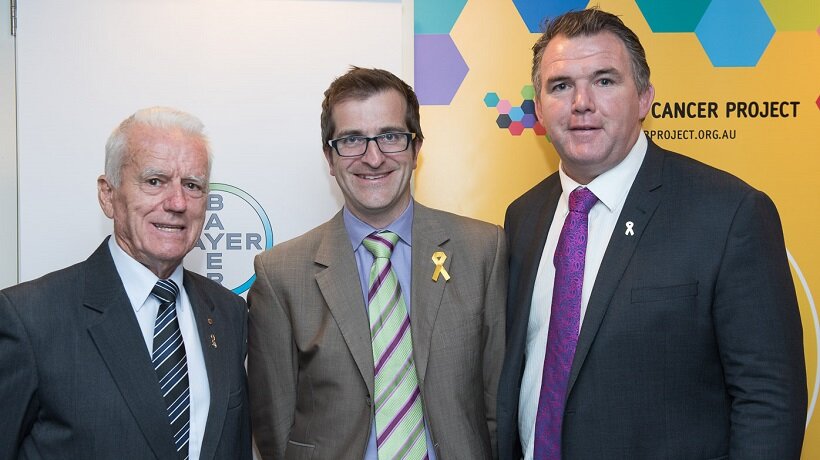
2016 - Expanding access to clinical trials
Partnership with ANZCHOG strengthens Australia's clinical trials network, giving more children access to leading-edge treatments regardless of where they live.
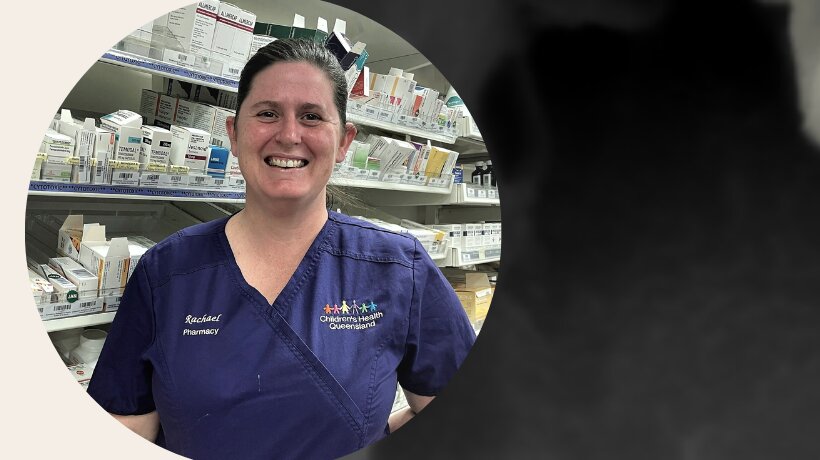
2023 - Col Reynolds Fellowships Announced
The Kids' Cancer Project commits $7.6 million to establish the Col Reynolds Fellowships, supporting Australia's brightest emerging childhood cancer researchers and helping secure the future of research leadership and innovation.
1983 - Global trials transform cancer care
Australia joins international childhood cancer clinical trials, accelerating access to new therapies and contributing to improved survival outcomes worldwide.
1995 - Safer radiation treatments begin
Advances in radiation therapy reduce long-term side effects while maintaining treatment effectiveness, improving quality of life for childhood cancer survivors.

2007 - Targeted therapies transform treatment
Targeted therapy Imatinib becomes standard treatment for childhood chronic myeloid leukaemia, demonstrating how research can rapidly improve survival and quality of life.
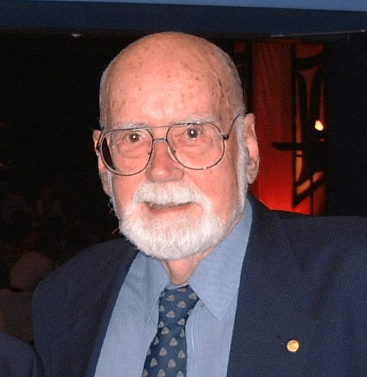
1956 - First successful bone marrow transplant
The world's first successful bone marrow transplant marks a breakthrough that would become a cornerstone of childhood cancer treatment for decades to come.
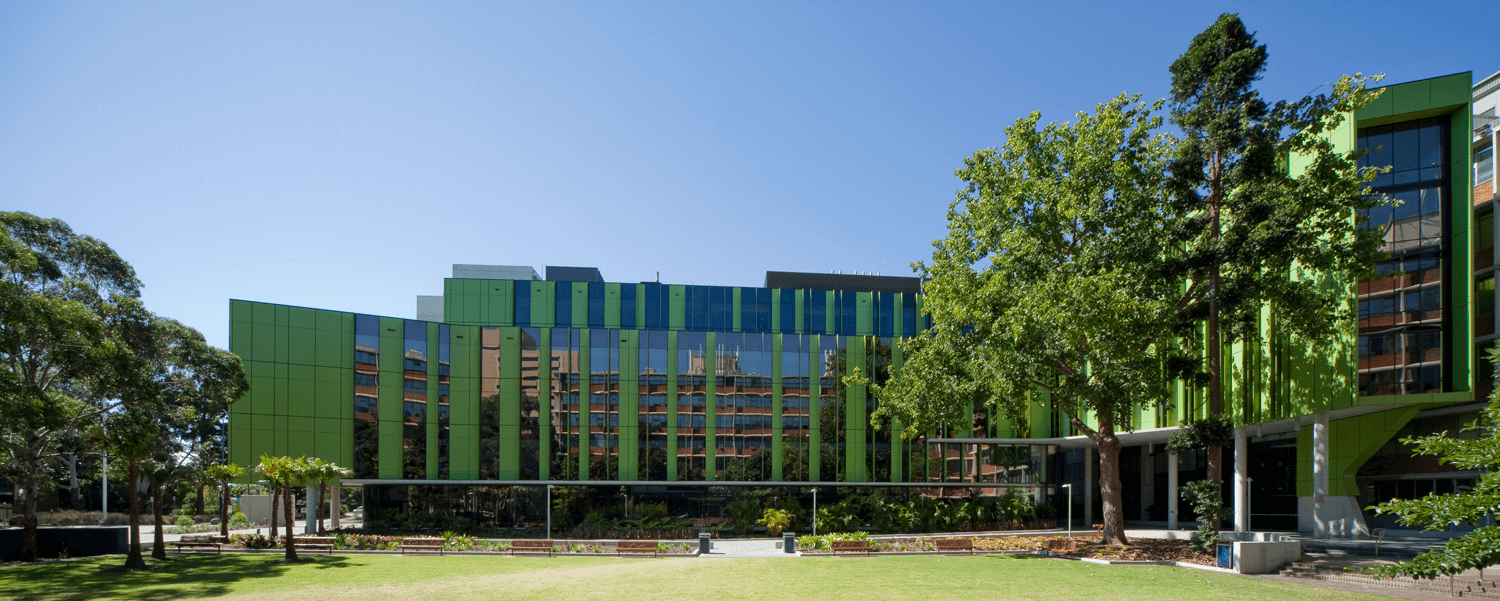
1976 - Inaugural research institute established
The Children's Cancer Institute is founded as Australia's first independent childhood cancer research organisation, driving decades of scientific discovery.
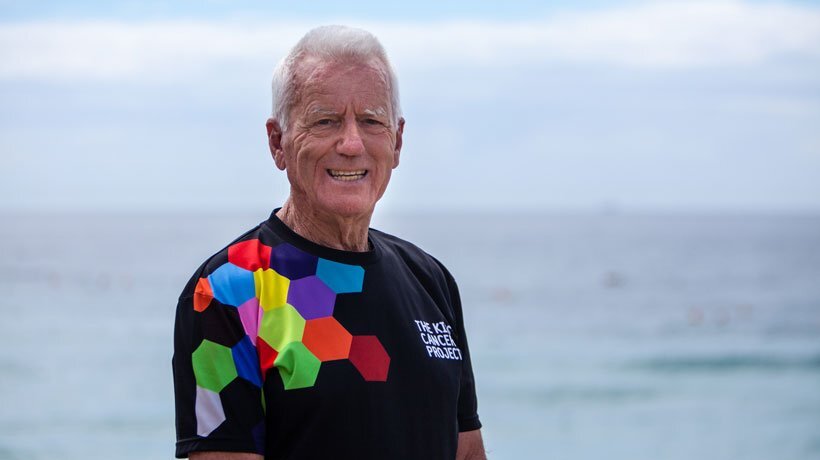
2005 - Our major research investment begins
The Kids' Cancer Project commits its first $8 million to research, supporting gene therapy, laboratory infrastructure and innovative projects with the potential to change childhood cancer outcomes.
1993 - TThe Kids' Cancer Project is founded
Inspired by children battling cancer, Col Reynolds establishes The Kids' Cancer Project with a mission to fund scientific research that delivers better treatments and brighter futures.
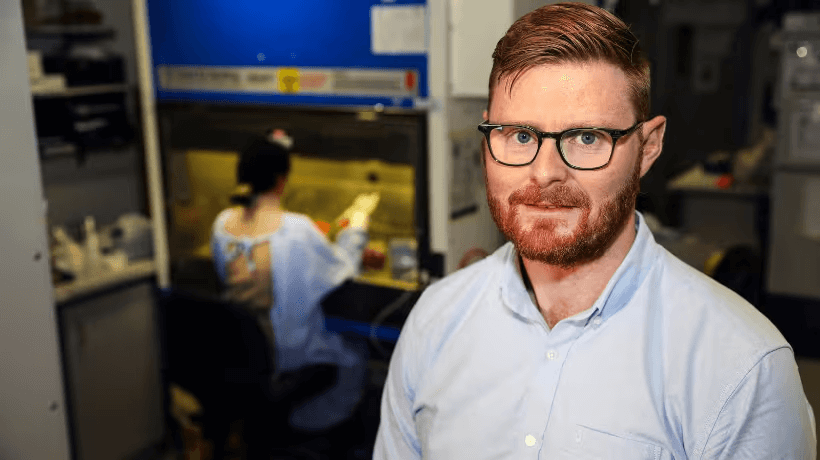
2023 - Breakthrough in DIPG Research
Research funded by The Kids' Cancer Project identifies promising therapeutic targets for Diffuse Intrinsic Pontine Glioma (DIPG), one of the deadliest childhood brain cancers, creating new opportunities for future treatments.
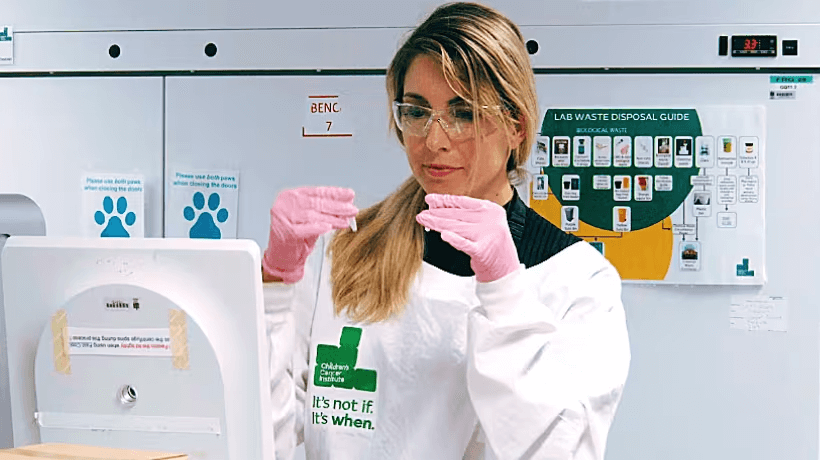
2015 - Australia's first CAR T-cell trial
Australia's first paediatric CAR T-cell clinical trial begins, building on years of foundational research into next-generation immunotherapies for childhood cancer.
2021 - CAR T-cell therapy advances
Years of research investment help expand CAR T-cell therapy beyond blood cancers into clinical trials targeting solid childhood tumours, offering hope for children with cancers previously considered untreatable.
2000 - Precision medicine emerges
Molecular profiling begins transforming childhood leukaemia treatment, paving the way for personalised medicine approaches that continue to shape research today.
2014 - Co-funding research model grows
The Kids' Cancer Project expands its co-funding model, partnering with governments, research institutions and philanthropy to support larger, more ambitious research projects and maximise every donated dollar.
2020 - ZERO Program expands nationally
Federal investment enables the nationally recognised ZERO Childhood Cancer Program to expand precision medicine, giving more children across Australia access to genomic testing and personalised treatment recommendations.
2012 - A new name with the same mission
The Oncology Children's Foundation becomes The Kids' Cancer Project, reinforcing its mission to fund bold scientific research that improves outcomes for children diagnosed with cancer.
2011 - Investing in CAR T-cell research
The Kids' Cancer Project begins supporting pioneering immunotherapy research that contributes to Australia's leadership in CAR T-cell therapy development.
2010 - Research Advisory Committee established
An independent Research Advisory Committee is formed to oversee peer review and ensure every research grant is selected through a rigorous, evidence-based assessment process.