
0
Research
The Kids’ Cancer Project funds bold, innovative research with the greatest potential to improve survival rates and reduce the long-term treatment impacts for children with cancer.
Our mission
To provide scientists with the funding they need to make discoveries, translate pioneering research, advance treatments and build support programs that will improve survival rates for all young people with cancer and allow them to thrive after treatment.
Our research strategy
 Discover
Funds early-stage, high-potential research ideas that can lead to breakthrough discoveries in childhood cancer.
 Translate
Supports research that moves promising discoveries from the lab into clinical trials and real-world treatments.
 Support
Funds programs that improve survivorship, reduce long-term treatment effects and enhance quality of life for children and families.
 Build
Invests in the people, partnerships and infrastructure needed to strengthen and sustain Australia’s childhood cancer research system.
Our research investment
The Kids’ Cancer Project’s investment into research has helped advance precision medicine, expand access to life-saving clinical trials, and accelerate discoveries that are changing the way childhood cancers are diagnosed and treated.
By backing bold ideas, world-class researchers and collaborative partnerships, we are building a stronger research ecosystem that is delivering better outcomes today while significantly impacting the future of childhood cancer care.
A research project’s feasibility is assessed and determined by The Kids’ Cancer Project’s Research Advisory Committee, with projects deemed to be worthy of funding recommended to The Kids’ Cancer Project’s Board of Directors before being formally approved.
$
76
million
30+
years
Our FY'26 impact
In FY’26, The Kids’ Cancer Project invested $3.34 million into childhood cancer research across Australia, supporting 38 projects and 47 researchers across 21 institutions – driving progress across all aspects of the translational research pipeline.
3.34
million
38
47
Our collaborations
Collaboration is essential to accelerating breakthroughs in childhood cancer research.
By co-funding research alongside governments, philanthropic organisations, research institutions and like-minded partners, The Kids' Cancer Project can invest in larger, more ambitious studies that may not be possible through a single funding source alone.
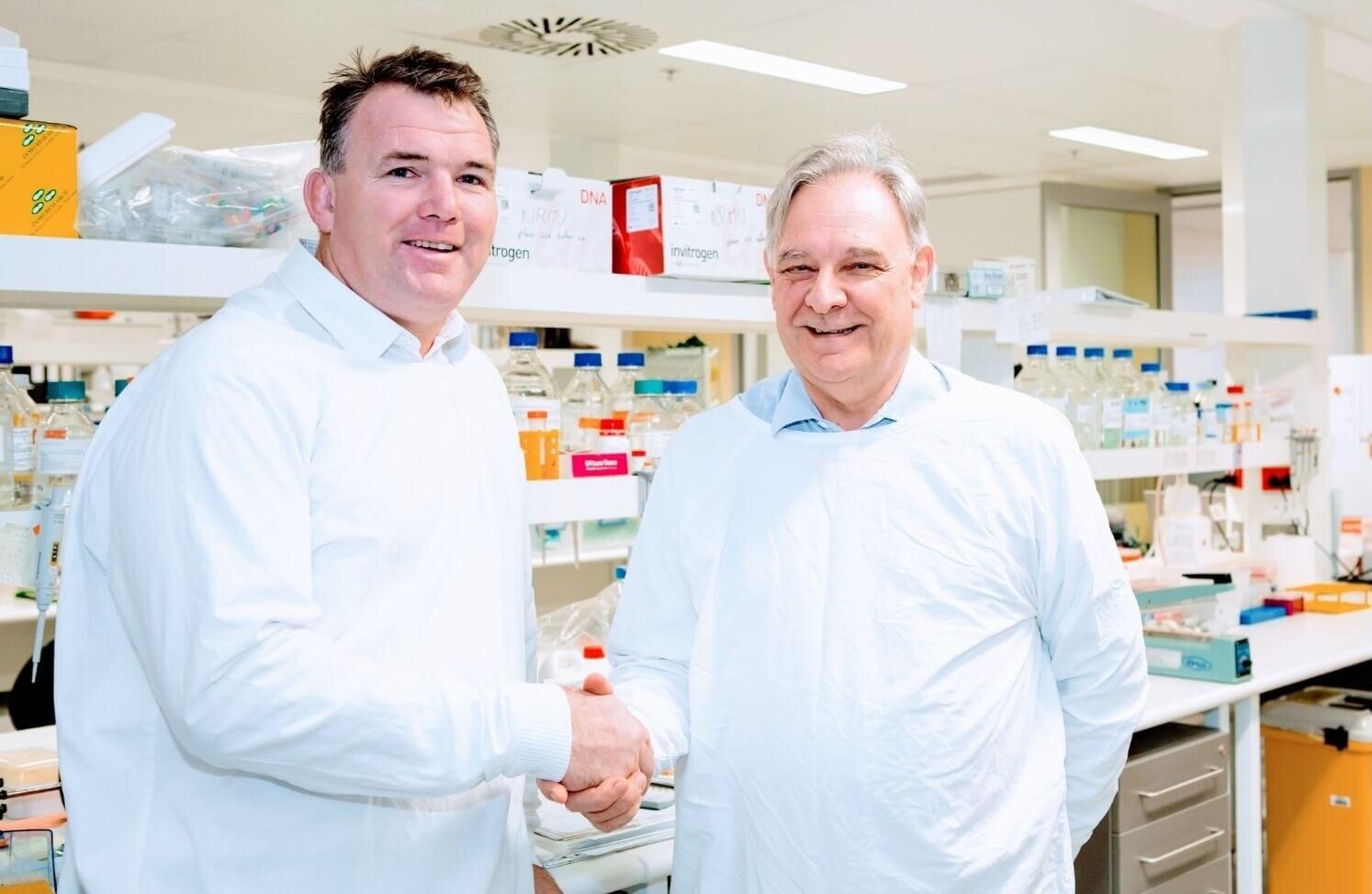
The Col Reynolds Fellows
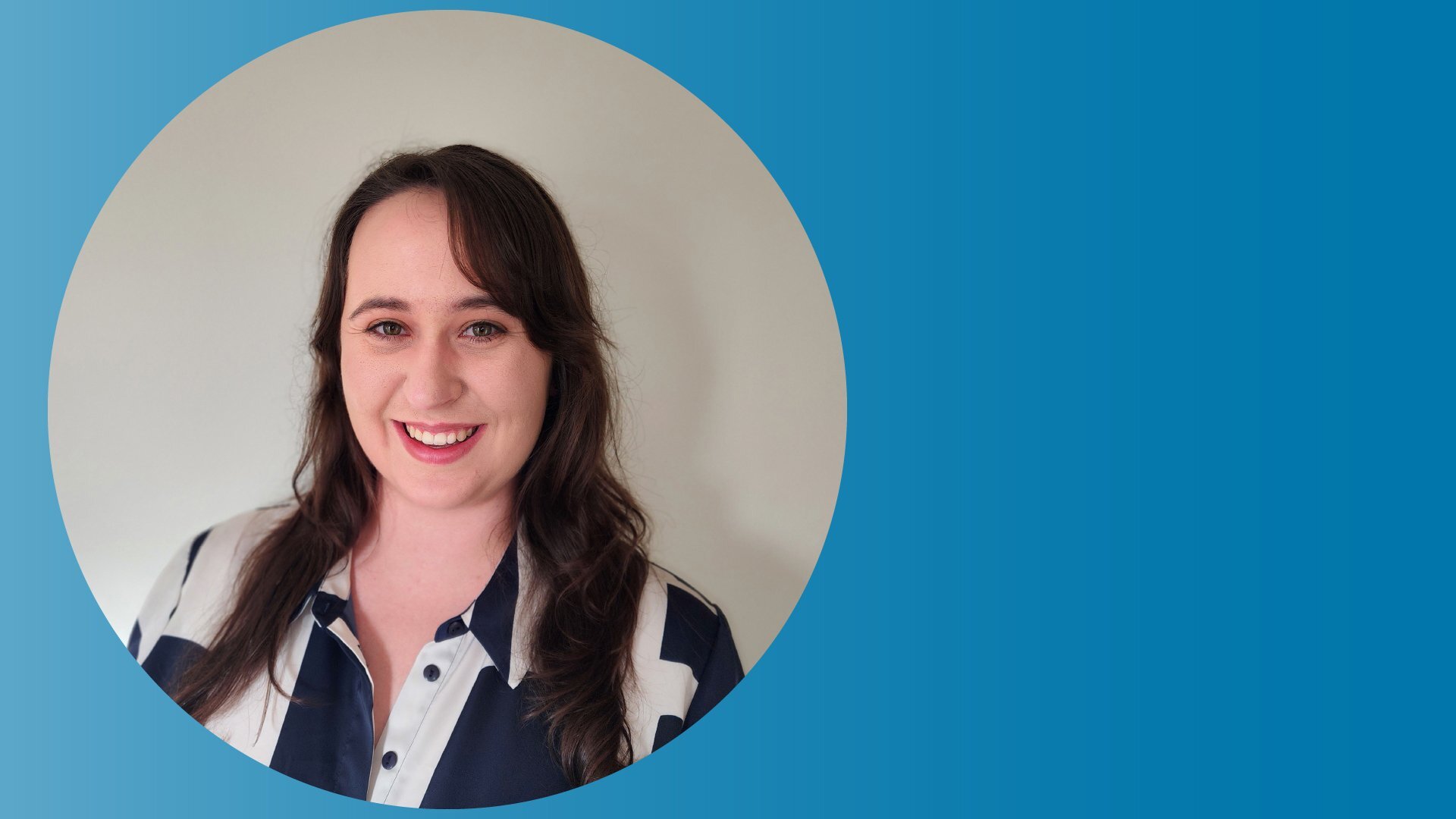
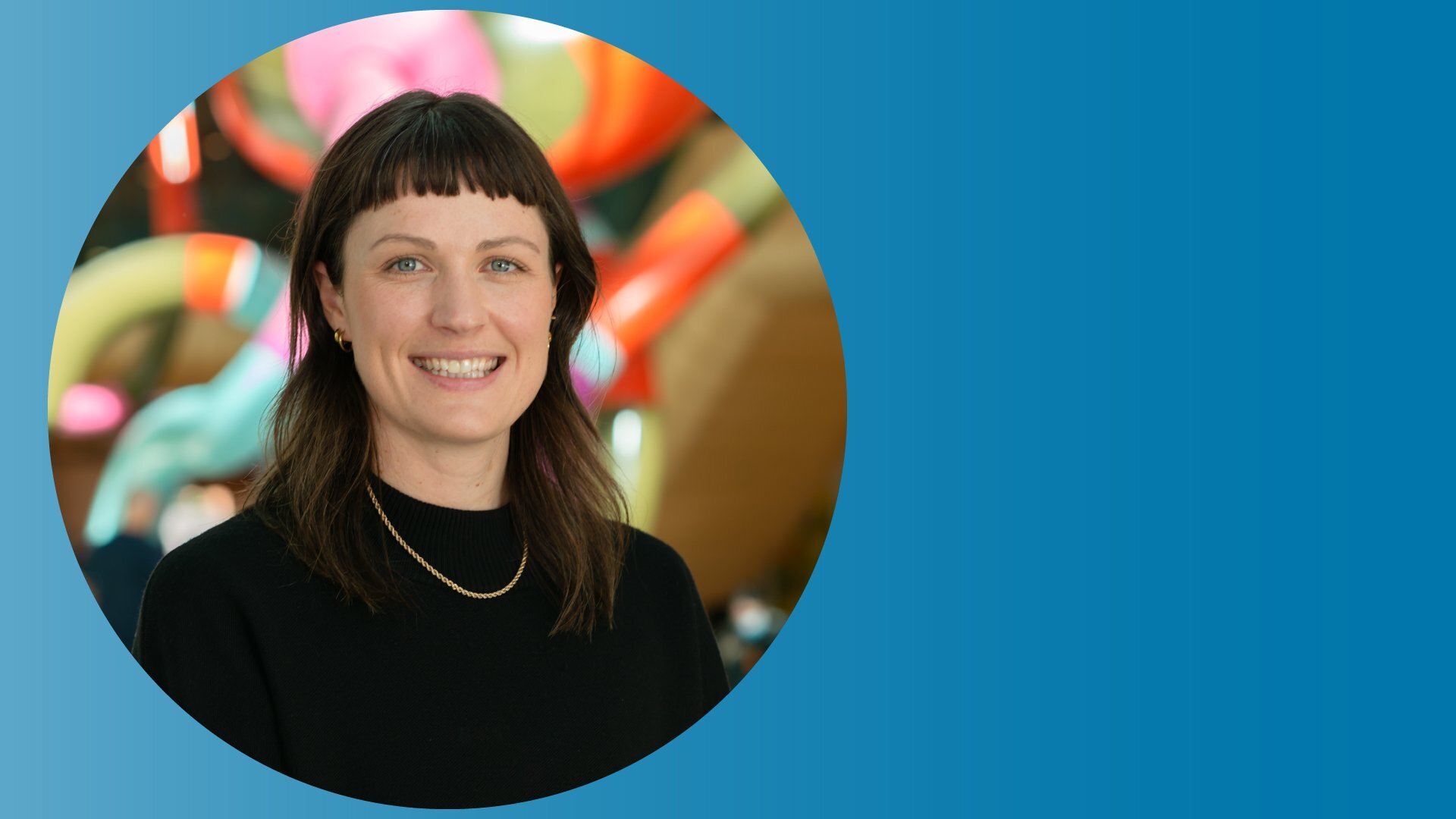
Dr Evangeline Jackson
Project title: Pulling the plug on diffuse midline glioma. Type of fellowship: Col Reynolds Fellowship - Early-Career Institute: University of Newcastle Funding: $510,000 (October 2024 – September 2027) Research Pillar: Discover Cancer Type:
Brain and CNS (Diffuse midline glioma / diffuse intrinsic pontine glioma)
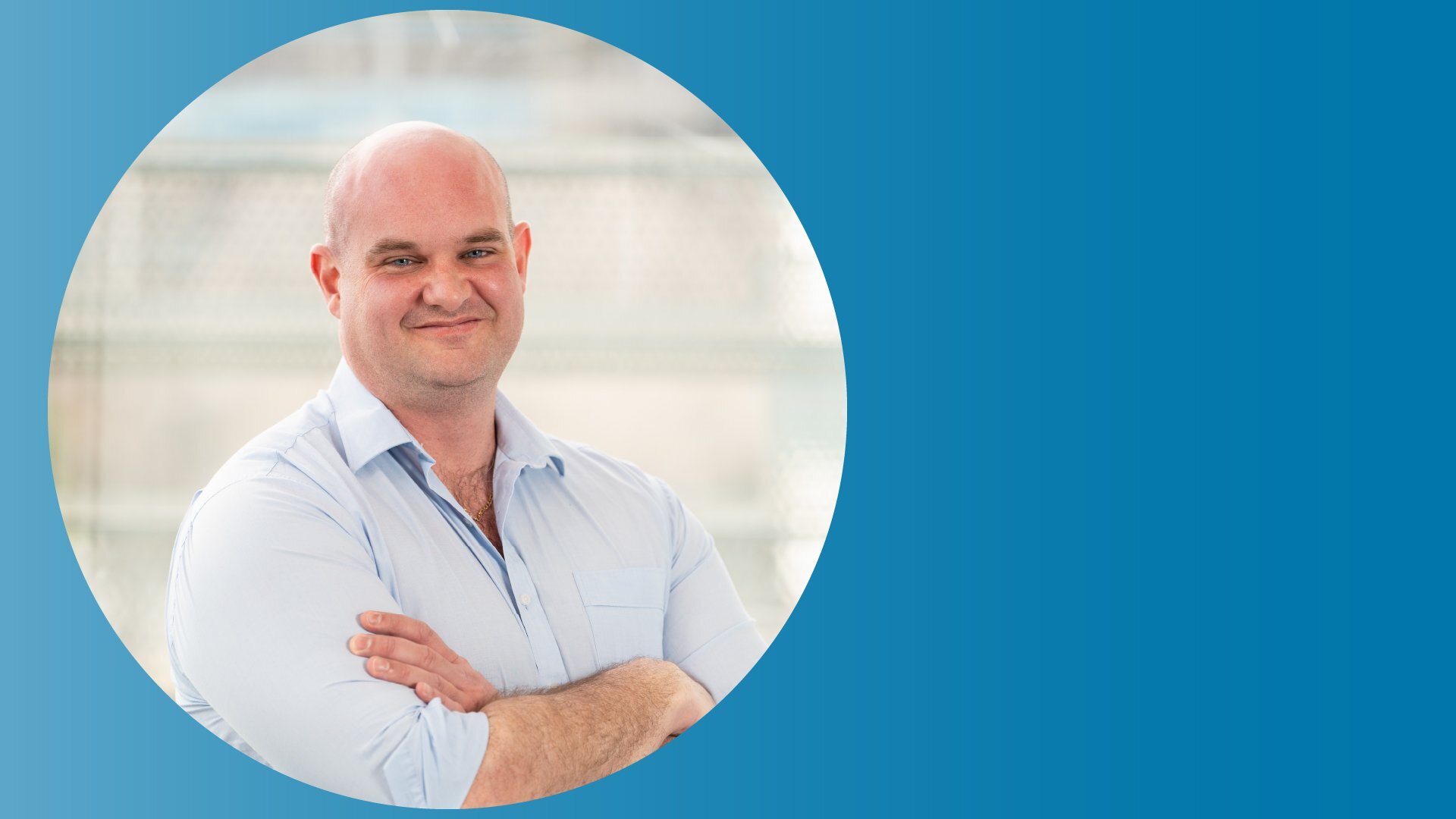
Dr Michelle Tennant
Project title: RAD-VR: Virtual reality for radiation therapy Type of fellowship: Col Reynolds Fellowship - Early-Career Institute: Murdoch Children’s Research Institute Funding: $508,299 (February 2025 – January 2028) Research Pillar: Support Cancer Type:
Various/Pan-cancer (Solid Tumours- General; Brain and CNS - General)
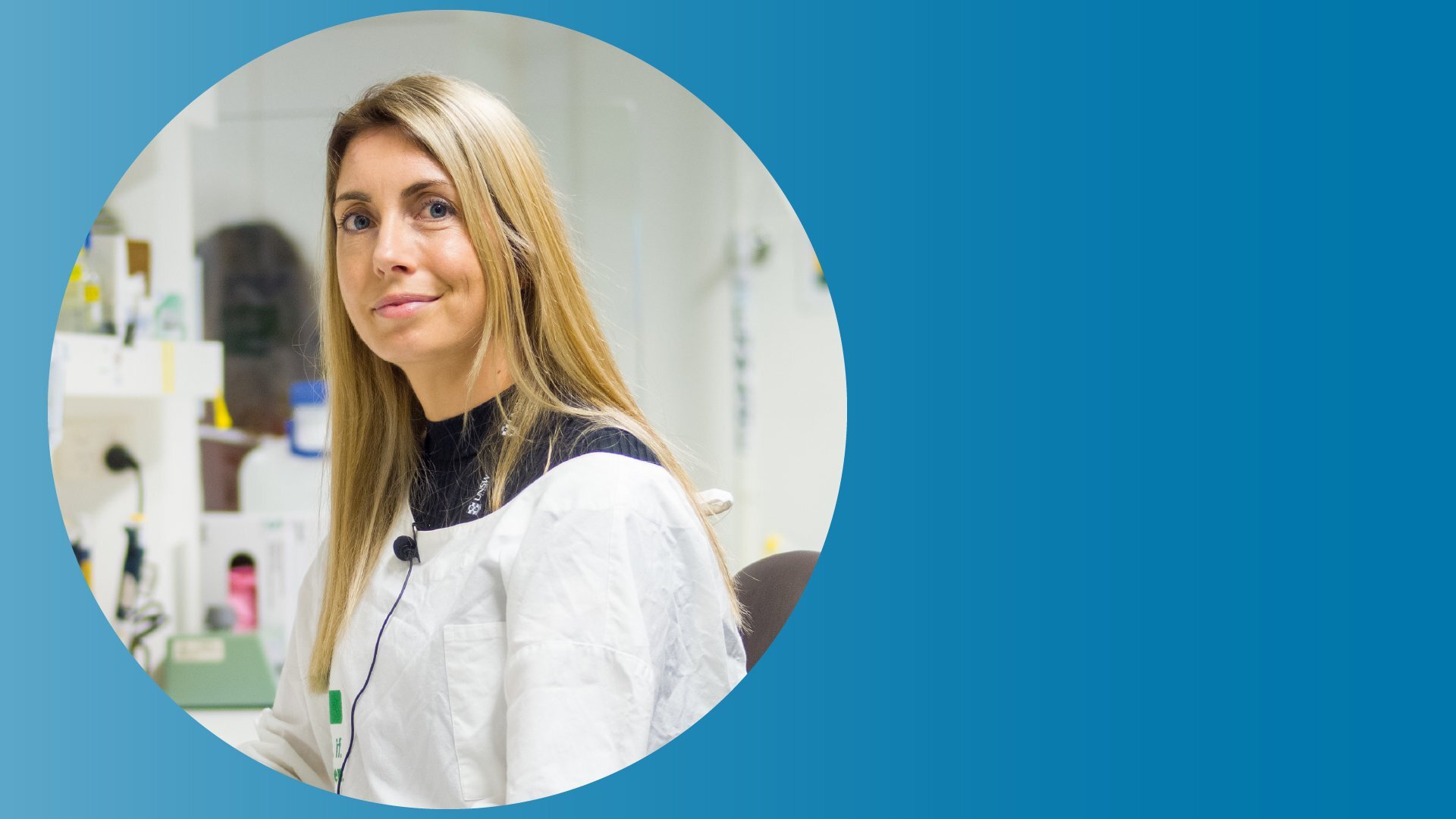
Dr Ryan Cross
Project title: Developing Novel Immune Therapies for Childhood Brain Cancer Type of fellowship: Col Reynolds Fellowship - Mid-Career Institute: The Walter and Eliza Hall Institute of Medical Research Funding: $618,000 (January 2025 – December 2027) Research Pillar: Discover Cancer Type:
Brain and CNS (High-grade glioma, diffuse midline glioma)
Dr Emmy Fleuren
Project title: Finding better and kinder treatments for young people with sarcoma Type of fellowship: Col Reynolds Fellowship - Mid-Career Institute: Children’s Cancer Institute Funding: $616,293 (April 2025 – April 2028) Research Pillar: Discover Cancer Type:
Sarcoma (Osteosarcoma, Ewing sarcoma)
Latest research news
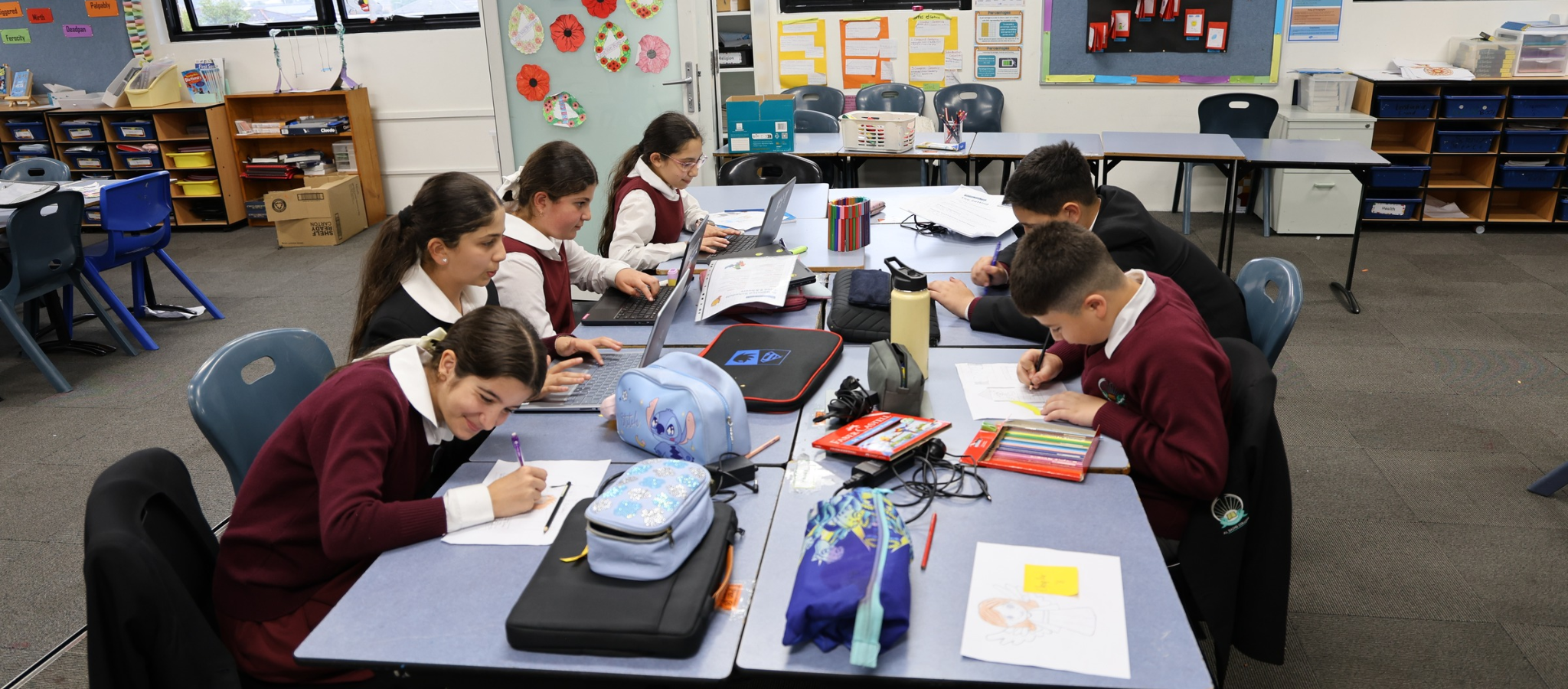
Introducing the 2026 Write a Book in a Day Winners!
12/11/2026
The Kids’ Cancer Project is excited to reveal the list of national winners for Write a Book in a Day 2026, with eight books taking home the national awards.
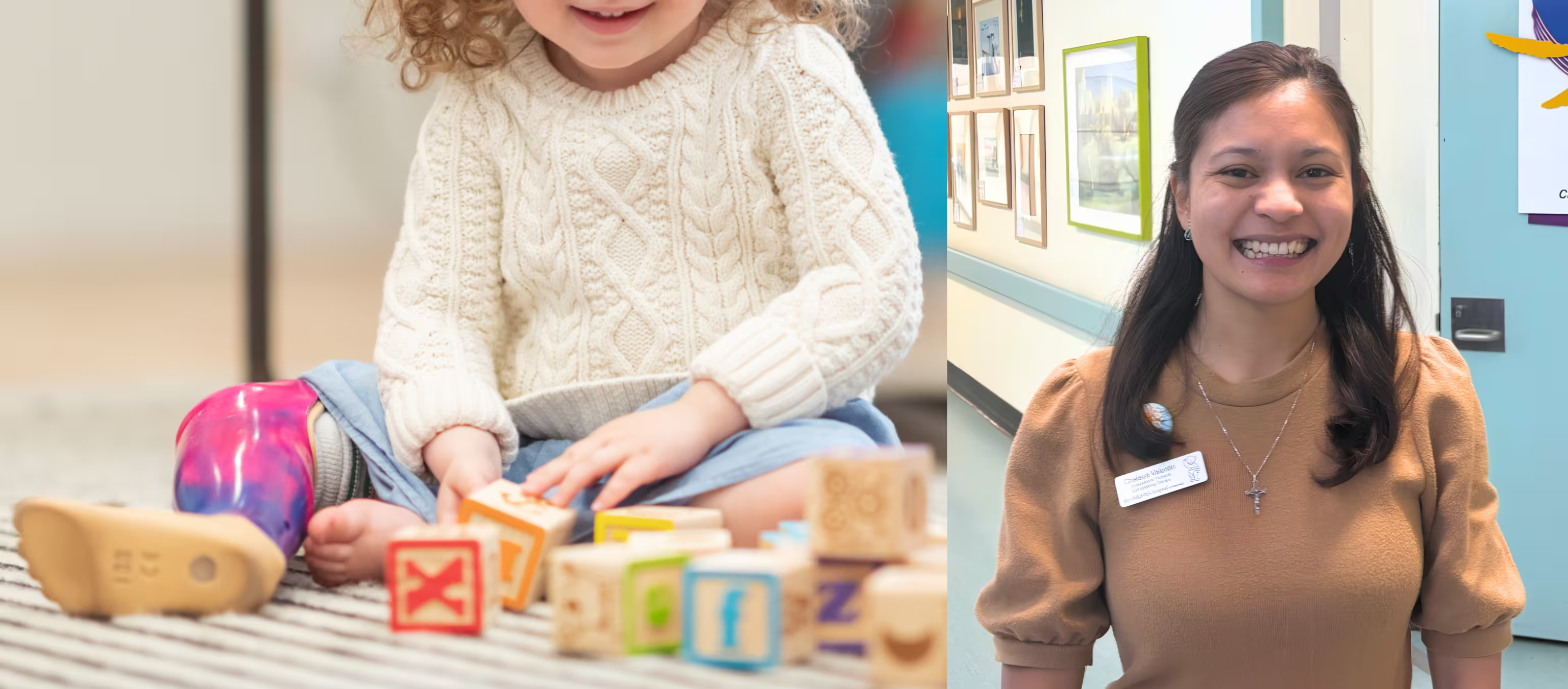
Helping children live well beyond cancer
03/11/2026
For many childhood cancer survivors, the challenges don't end when treatment does. Col Reynolds Fellow Chelsea Valentin is helping children live well after treatment.
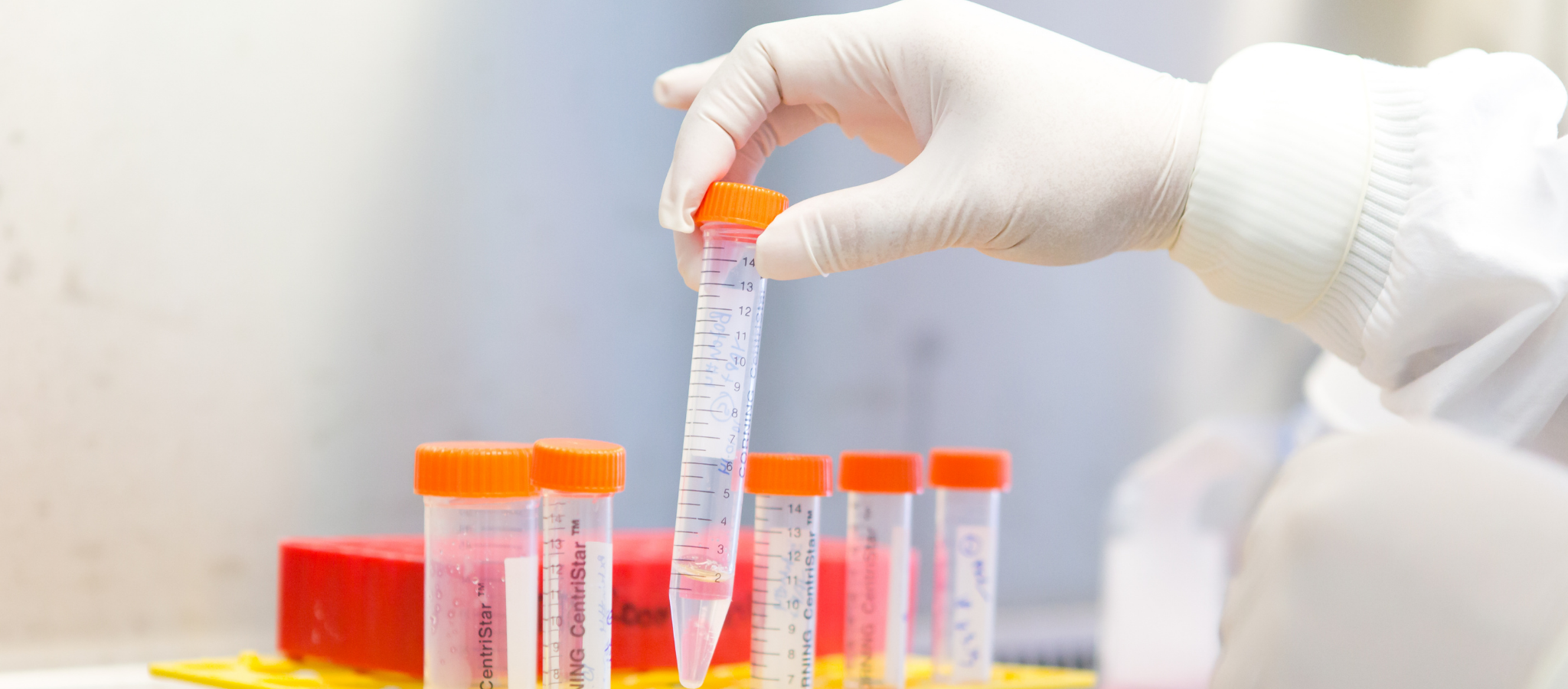
$2.7 million investment to support the next generation of childhood cancer researchers
21/10/2026
We’re excited to announce a major new investment in the future of childhood cancer research – made possible by the incredible support we’ve received during Childhood Cancer Awareness Month.
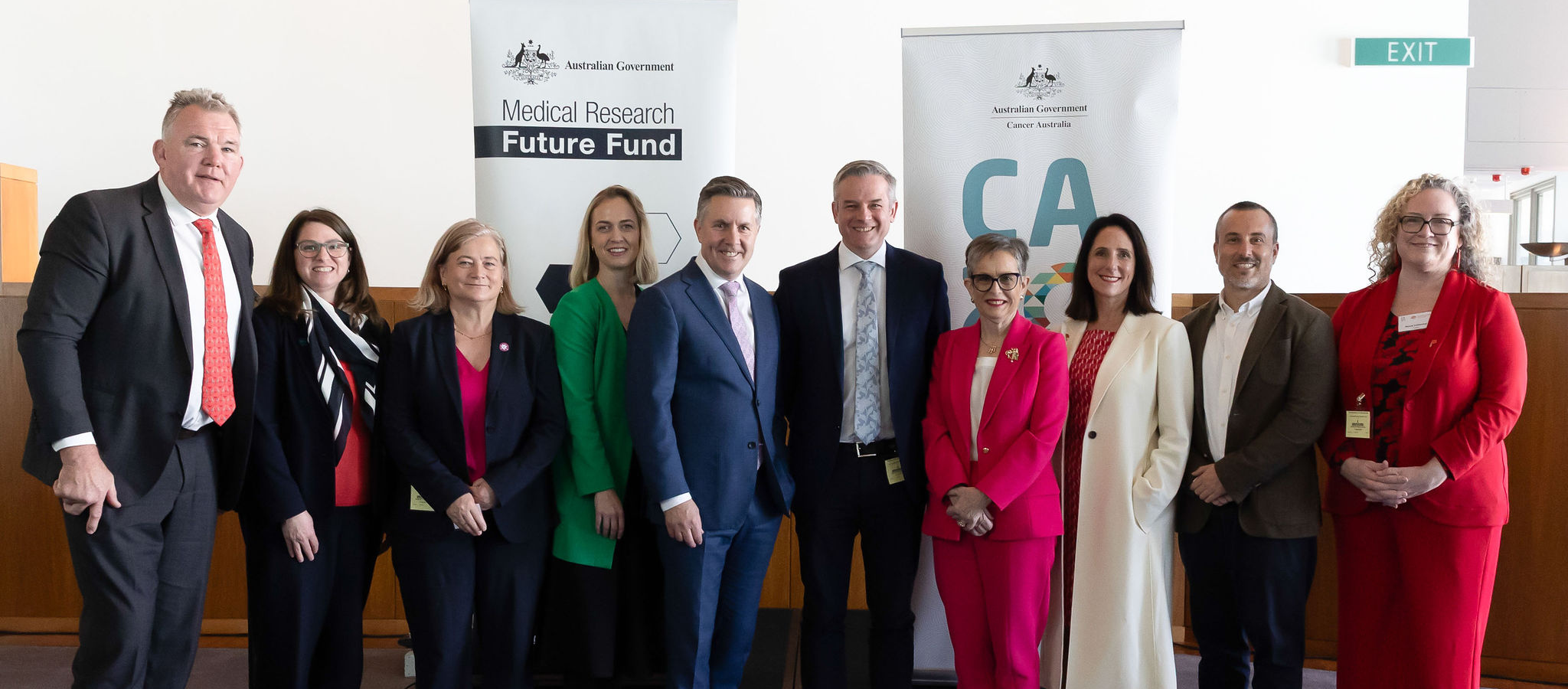
CAYA Cancer Mission takes an important step from vision to action
14/09/2026
Government investment, research expertise and the strength of the non-government sector are coming together to create better outcomes for children with cancer.
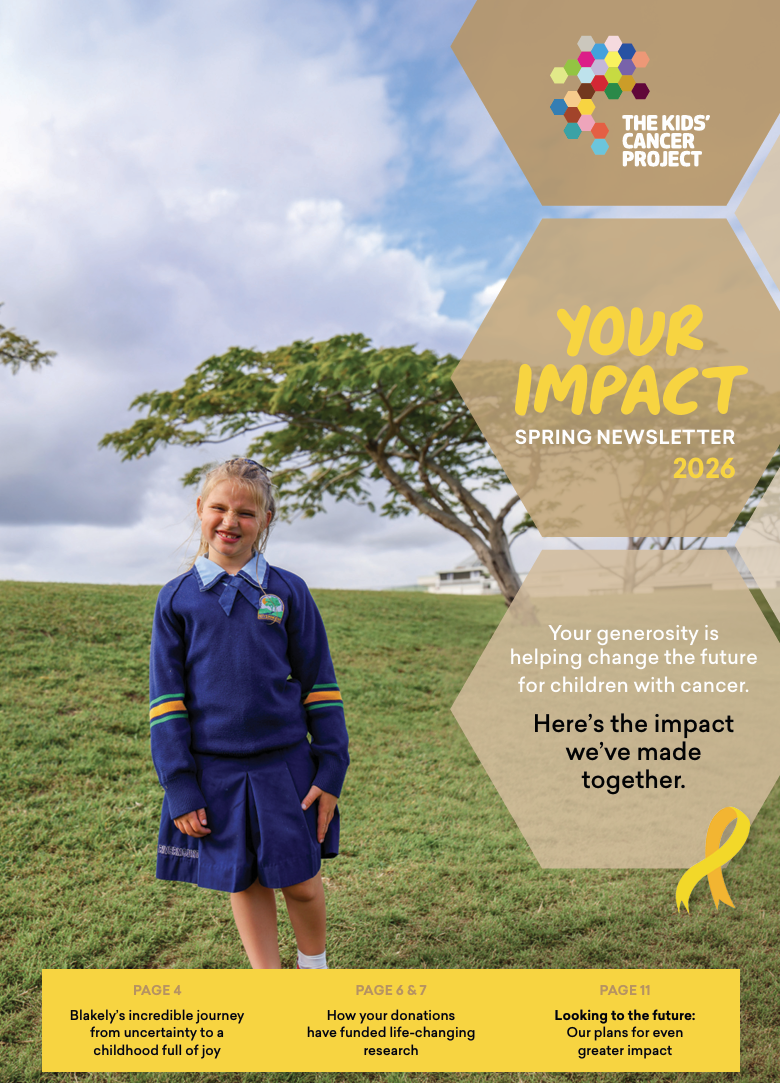
Your Impact 2026
01/09/2026
Read how your support has helped save lives and is pushing kids' cancer research further than ever before.
Your impact in action: Working towards kinder treatments
28/08/2026
Dr Katherine Pillman’s research aims to uncover why neuroblastoma tumours behave differently, helping doctors tailor treatment to each child.