0
Neuroblastoma
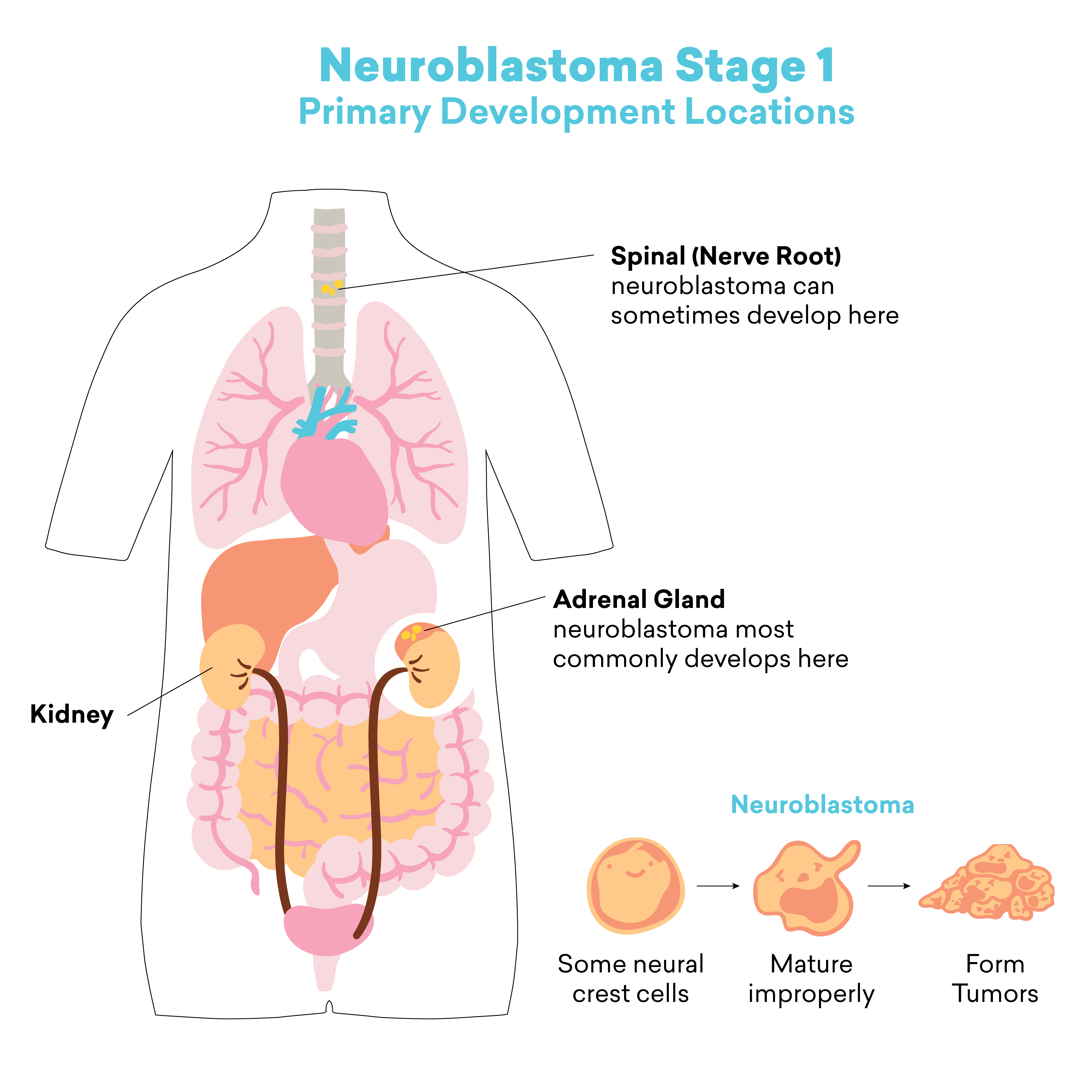
Neuroblastoma is the most common solid tumour found in children.
Neuroblastoma develops in immature nerve cells called neuroblasts, which are specialised cells in the nervous systems. The cells grow out of control and form a tumour, typically in the adrenal glands above the kidneys or anywhere along the spinal cord. It can also develop in the chest, abdomen or pelvis.
Symptoms
Symptoms of neuroblastoma includes a lump or swelling in the abdomen, chest or neck, pain, fatigue, loss of appetite and/or weight, bulging or drooping eyes, bone pain and fever.
Treatment
Surgery, chemotherapy, radiation and immunotherapy or stem cell transplants are common treatments for neuroblastoma.
Age range
Neuroblastoma commonly affects children under 5 years old, with most cases diagnosed before age 2.
Neuroblastoma stories
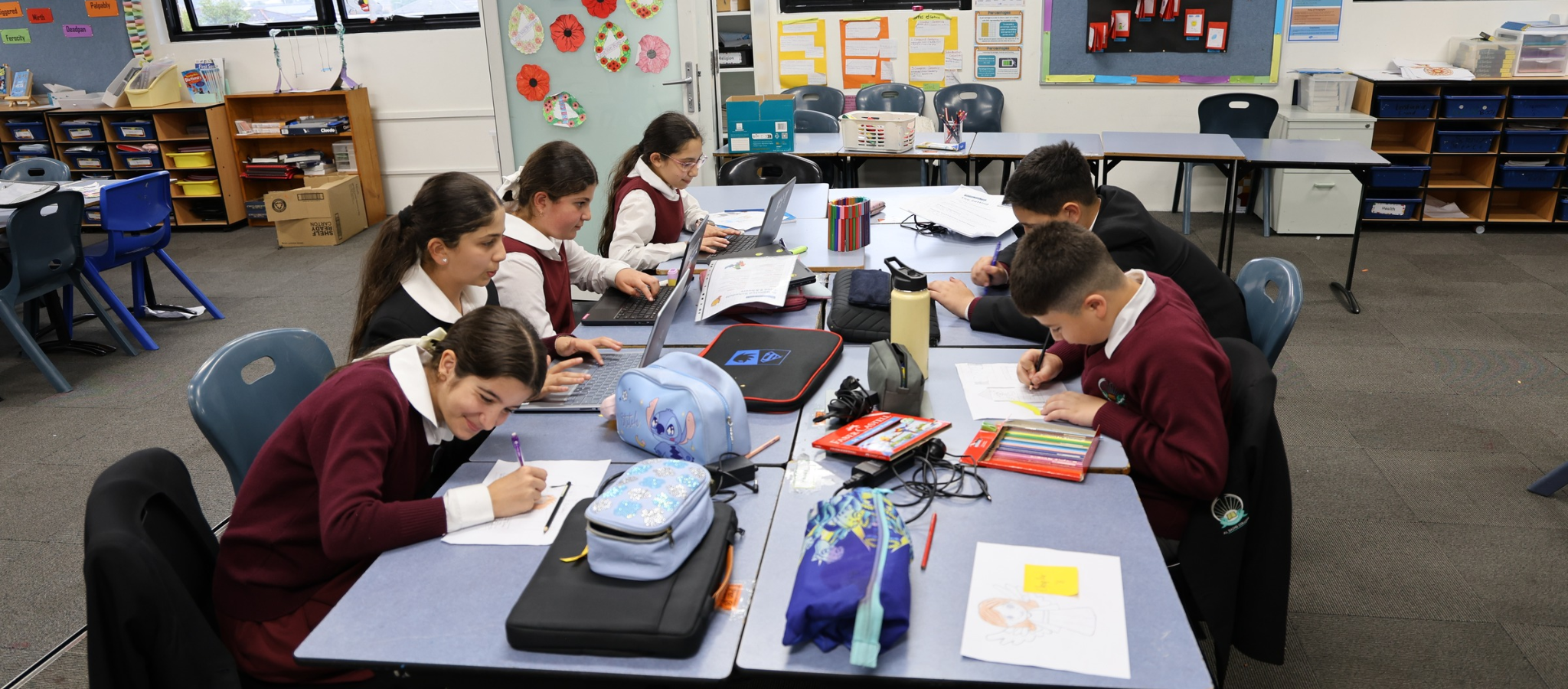
Introducing the 2026 Write a Book in a Day Winners!
12/11/2026
The Kids’ Cancer Project is excited to reveal the list of national winners for Write a Book in a Day 2026, with eight books taking home the national awards.
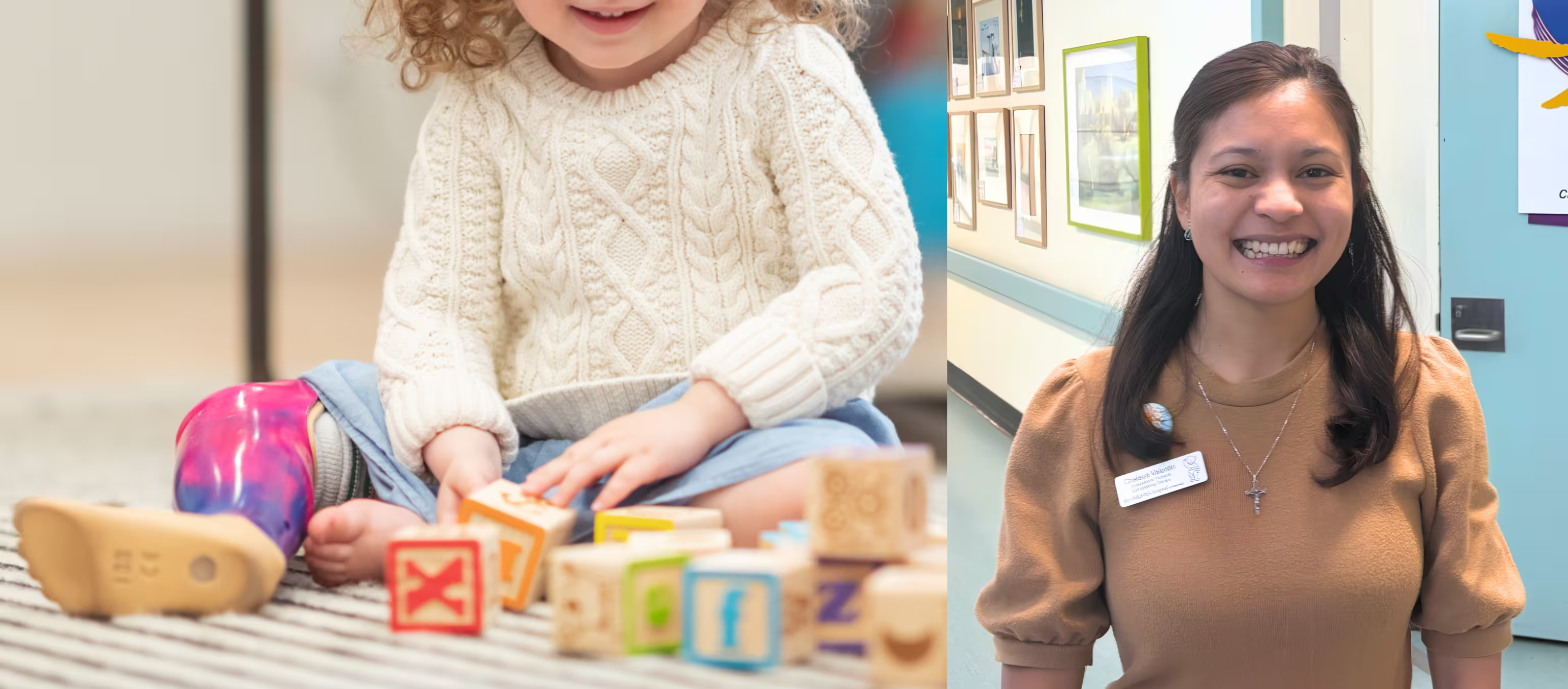
Helping children live well beyond cancer
03/11/2026
For many childhood cancer survivors, the challenges don't end when treatment does. Col Reynolds Fellow Chelsea Valentin is helping children live well after treatment.
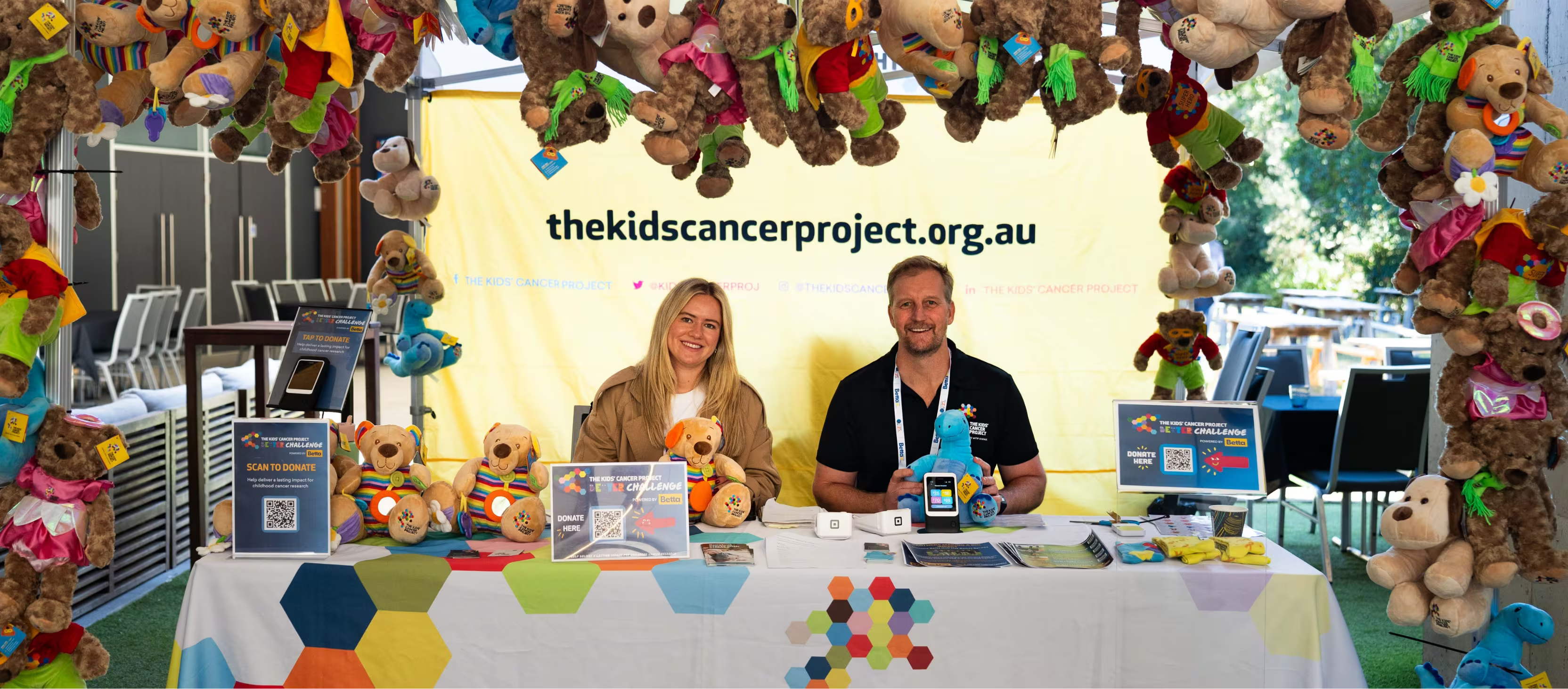
BSR Group helps bring comfort and hope to children with cancer
26/10/2026
The Kids’ Cancer Project is incredibly grateful to the BSR Group and its community for helping make a difference for children with cancer.
$2.7 million investment to support the next generation of childhood cancer researchers
21/10/2026
We’re excited to announce a major new investment in the future of childhood cancer research – made possible by the incredible support we’ve received during Childhood Cancer Awareness Month.
The Kids’ Cancer Project welcomes formal partnership with Express Glass
19/10/2026
The Kids’ Cancer Project is excited to announce a two-year partnership with Express Glass. After more than 10 years of support, we’re proud to welcome Express Glass as a formal partner.
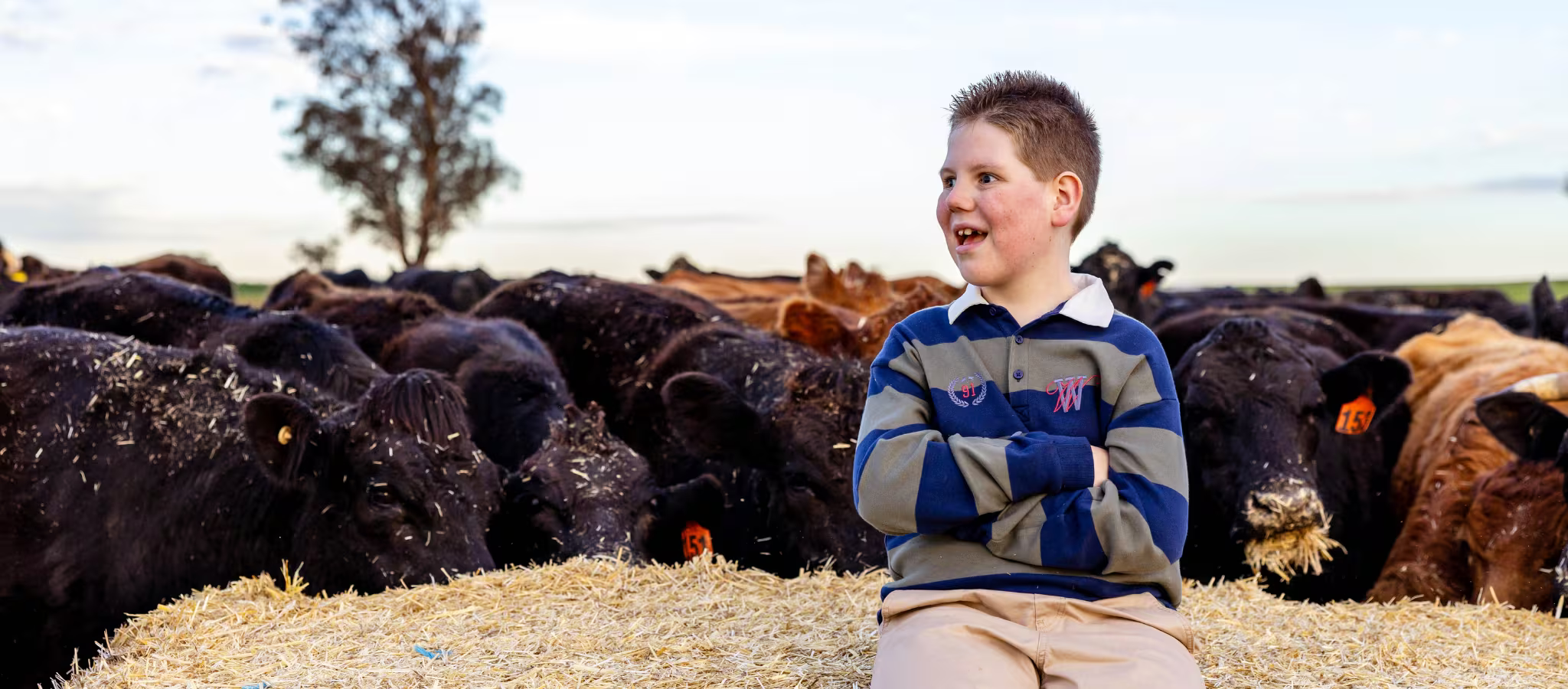
Paddy’s story: Survival is only the beginning
15/10/2026
After a childhood cancer diagnosis changed everything, research gave Paddy access to treatment. Today, he’s a happy, energetic boy – but the effects of cancer continue beyond treatment.
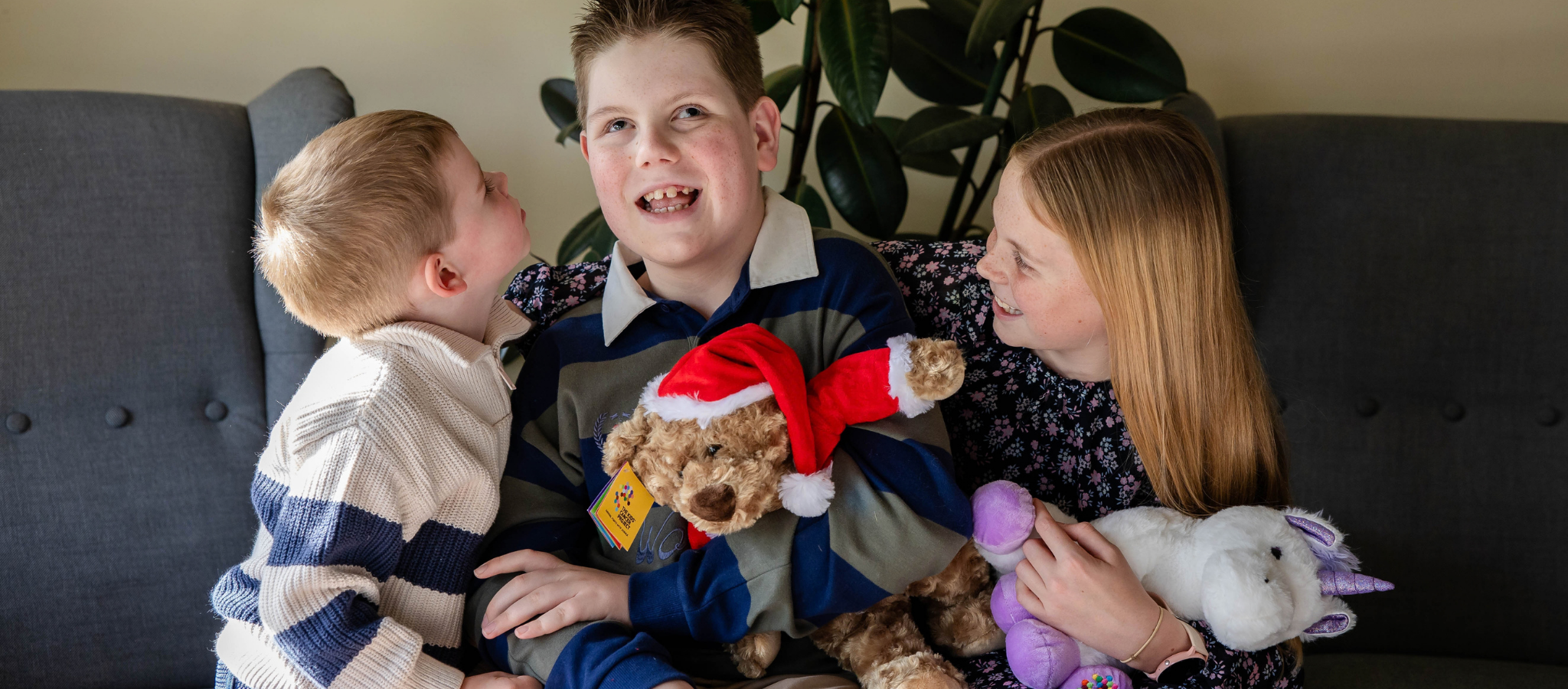
From the hospital to home: The story of Paddy and his bear
12/10/2026
"I was touched that someone, somewhere, had donated these bears for our children – people who didn’t know us but wanted to make difficult days a little brighter." - Kristy, Paddy's mum
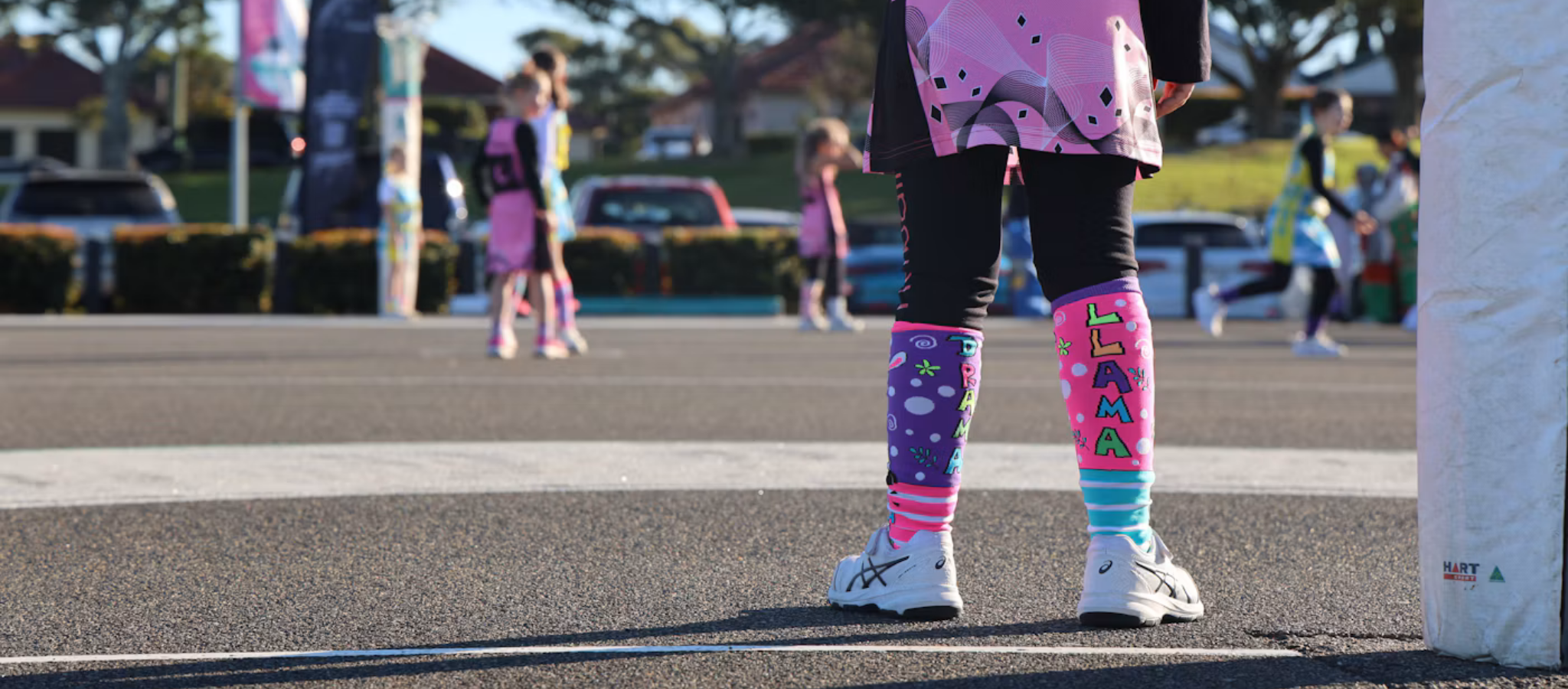
Crazy Hair & Sock Day 2026 raises $61,655 for childhood cancer research
09/10/2026
Crazy hair, colourful socks and plenty of team spirit came together across Netball NSW for Crazy Hair & Sock Day 2026 – all in support of children with cancer.
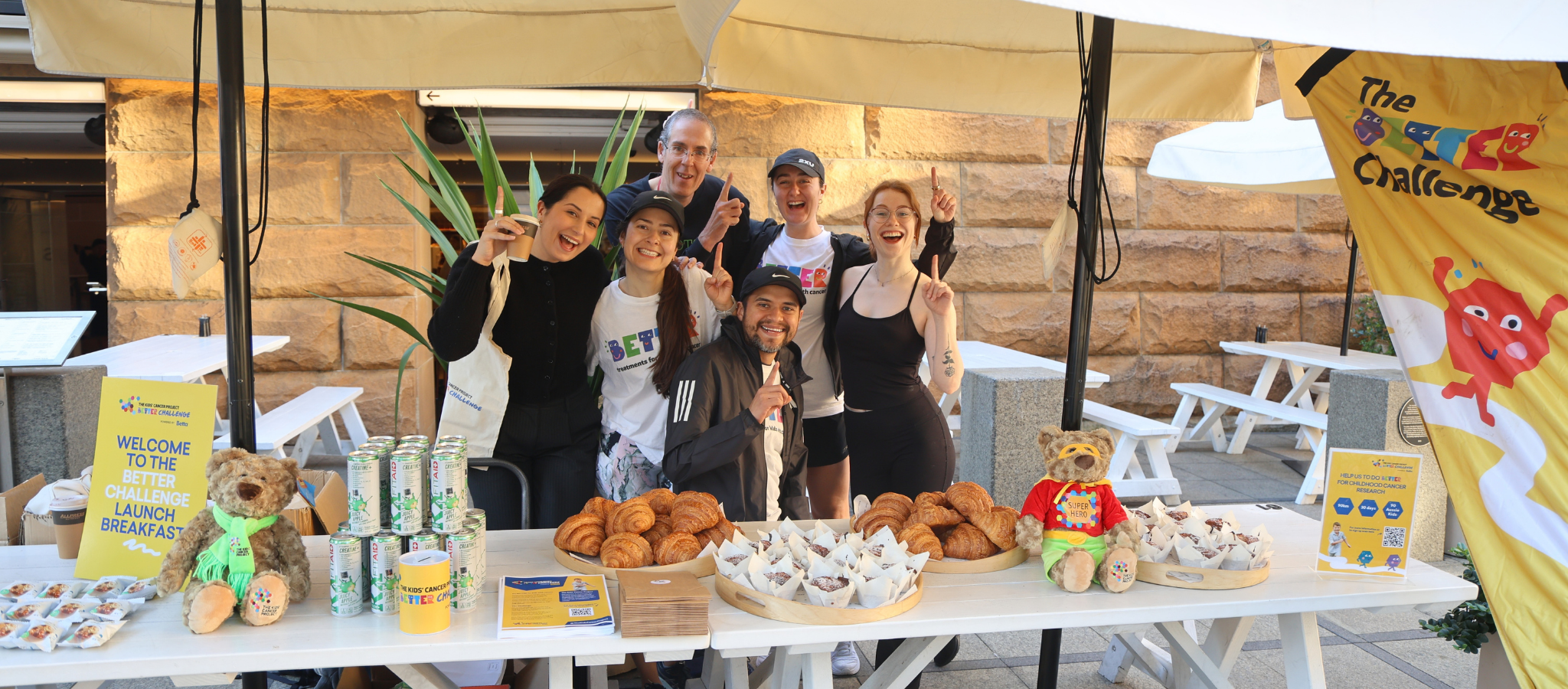
Better Challenge 2026: 90km. 30 days. One incredible community!
08/10/2026
This year’s Better Challenge, powered by Betta, brought our community together throughout Childhood Cancer Awareness Month to help create better treatments, better outcomes and a better future for...