0
Blood cancers
The two main blood cancers in children are leukaemia and lymphoma.
Leukaemia
Leukaemia is the most common type of cancer in children.
Leukaemia originates in the bone marrow, where blood cells are made. It occurs when white blood cells begin to develop differently than usual and crowd out the healthy blood cells. These cells then affect the body’s ability to fight infections and carry oxygen, as well as prevent bleeding.
There are two types of leukaemia depending on which white blood cell is affected, in either the lymphoid or myeloid.
Acute leukemia
Acute leukaemia appears suddenly and grows quickly and usually gets worse if left untreated. The most common and treatable form of paediatric leukemia is acute lymphocytic leukaemia (ALL). Acute myelocytic leukaemia (AML) is another form of acute leukaemia.
Chronic leukemia
Chronic leukaemia is a more gradual process and progresses relatively slowly in comparison. Chronic forms include chronic myelocytic leukemia (CML) or chronic lymphocytic leukaemia (CLL).
| Type | Speed of Onset | Cell Type Affected | Common in |
|---|---|---|---|
| Acute Lymphoblastic Leukaemia (ALL) | Fast (acute) | Lymphoid | CHildren (most common), also adults |
| Acute Myeloid Leukaemia (AML) | Fast (acute) | Myeloid | Adults (most common acute type), elderly |
| Chronic Lymphocytic Leukaemia (CLL) | Slow (chronic) | Lymphoid | Older adults (rare in people under 40) |
| Chronic Myeloid Leukaemia (CML) | Slow (chronic | Myeloid | Mostly adults (ages 40-60) |
Symptoms
Symptoms of a child who may have leukaemia includes fatigue, anaemia, repeated infections, increased bruising and bleeding, poor appetite and weight loss, bone and joint pain, vision impairment and headaches as well as swelling in the gums and lymph glands.
Treatment
Treatment options for leukaemia include chemotherapy, radiation, immunotherapy, targeted therapy and bone marrow transplant.
Age range
ALL peaks between 2-5 years of age, while AML can occur at any age, but is less common. CML and CLL are rare in children, with CML more commonly seen in adolescents. CLL typically only affects older adults.
Lymphoma
Like leukaemia, lymphoma occurs when abnormal white blood cells begin to grow in the lymphatic system, which is a network of small vessels that form part of the body’s immune system . The lymphatic system includes lymph fluid and lymph nodes, which are in the neck, armpit, chest, abdomen (belly), and groin.
Children who have weak immune systems or contract viral infections can have a higher risk of developing lymphoma than others.
There are two types of lymphoma – Non-Hodgkin and Hodgkin. Hodgkin lymphoma accounts for 10% of all lymphoma cases, while the other 90% are attributed to 40 subtypes of Non-Hodgkin lymphoma. These subtypes vary in how fast they grow and spread, and how sick people feel.
Symptoms
Lymphoma symptoms include swelling in the lymph glands or abdomen, excessive sweating, fatigue, loss of appetite or increased bruising or bleeding.
Treatment
Treatment options for lymphoma include chemotherapy, radiotherapy and targeted therapy.
Age range
Non-Hodgkin lymphoma mainly affects children between the ages of 5-15, while Hodgkin lymphoma is common in 10–18-year-olds. Cases of lymphoma in infants are rare.
Blood cancer stories
Introducing the 2026 Write a Book in a Day Winners!
12/11/2026
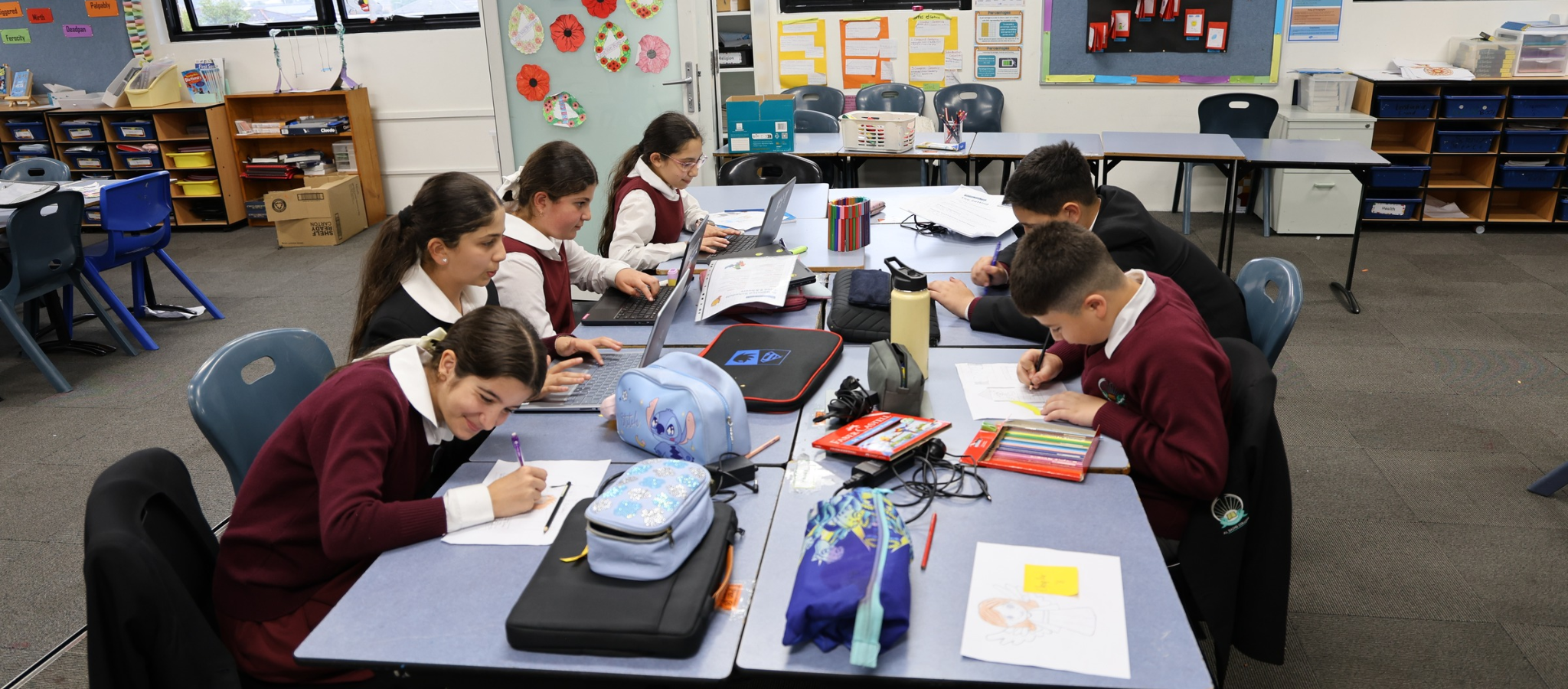
The Kids’ Cancer Project is excited to reveal the list of national winners for Write a Book in a Day 2026, with eight books taking home the national awards.
Helping children live well beyond cancer
03/11/2026
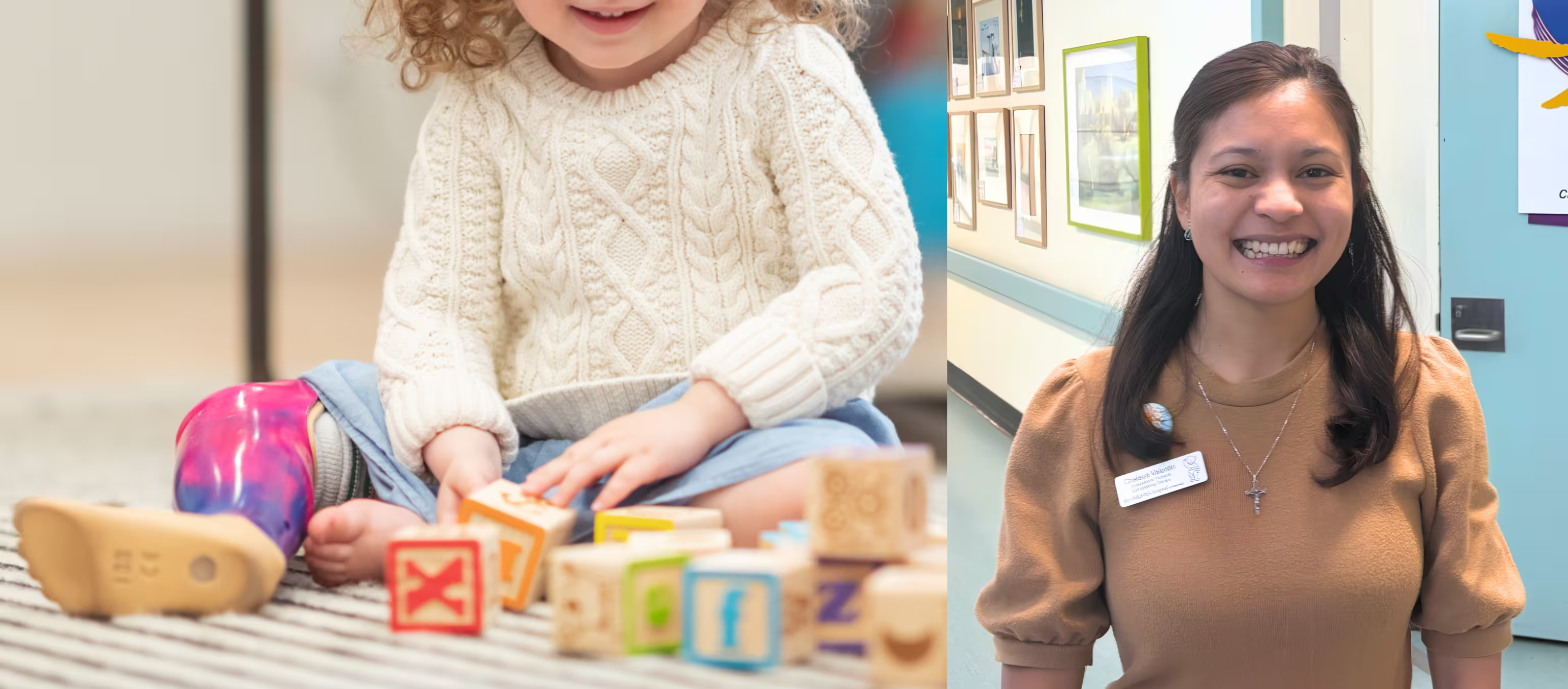
For many childhood cancer survivors, the challenges don't end when treatment does. Col Reynolds Fellow Chelsea Valentin is helping children live well after treatment.
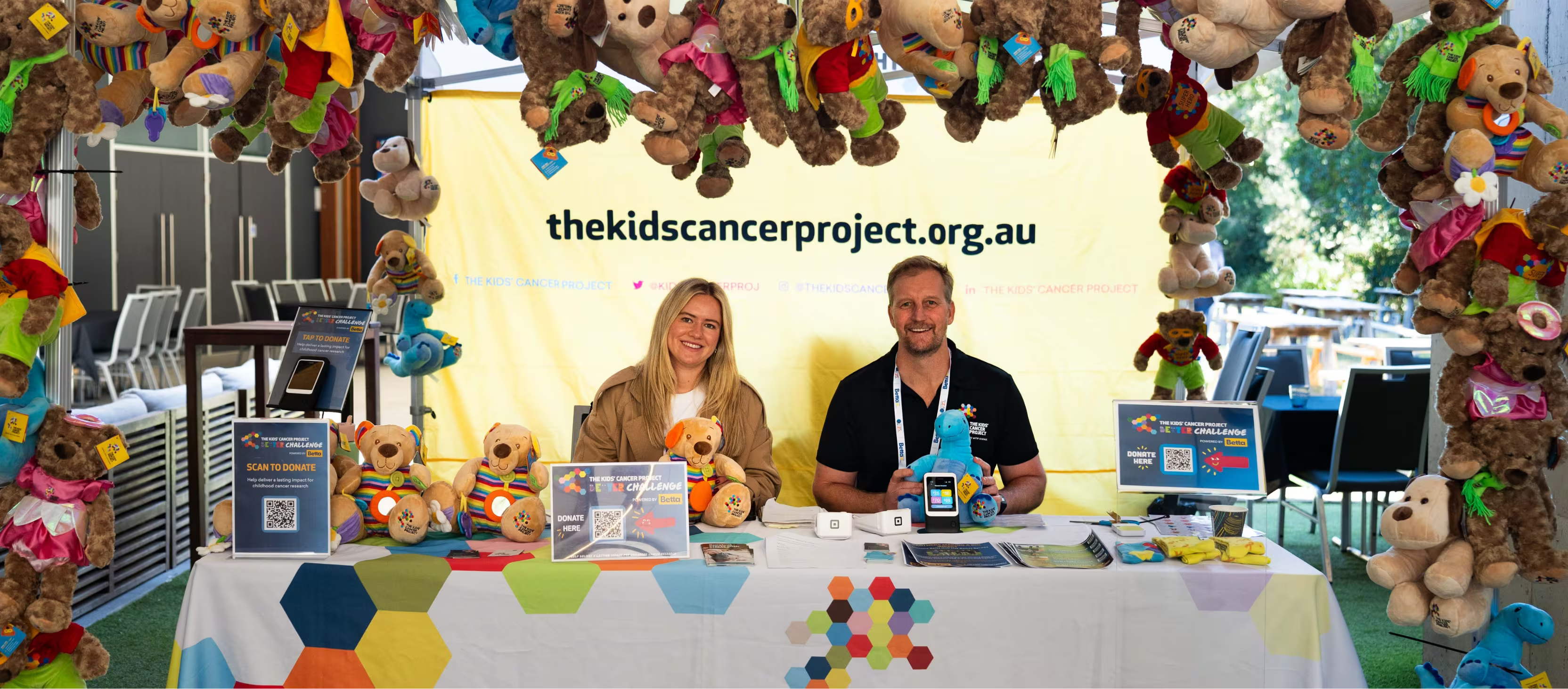
BSR Group helps bring comfort and hope to children with cancer
26/10/2026
The Kids’ Cancer Project is incredibly grateful to the BSR Group and its community for helping make a difference for children with cancer.
$2.7 million investment to support the next generation of childhood cancer researchers
21/10/2026
We’re excited to announce a major new investment in the future of childhood cancer research – made possible by the incredible support we’ve received during Childhood Cancer Awareness Month.
The Kids’ Cancer Project welcomes formal partnership with Express Glass
19/10/2026
The Kids’ Cancer Project is excited to announce a two-year partnership with Express Glass. After more than 10 years of support, we’re proud to welcome Express Glass as a formal partner.
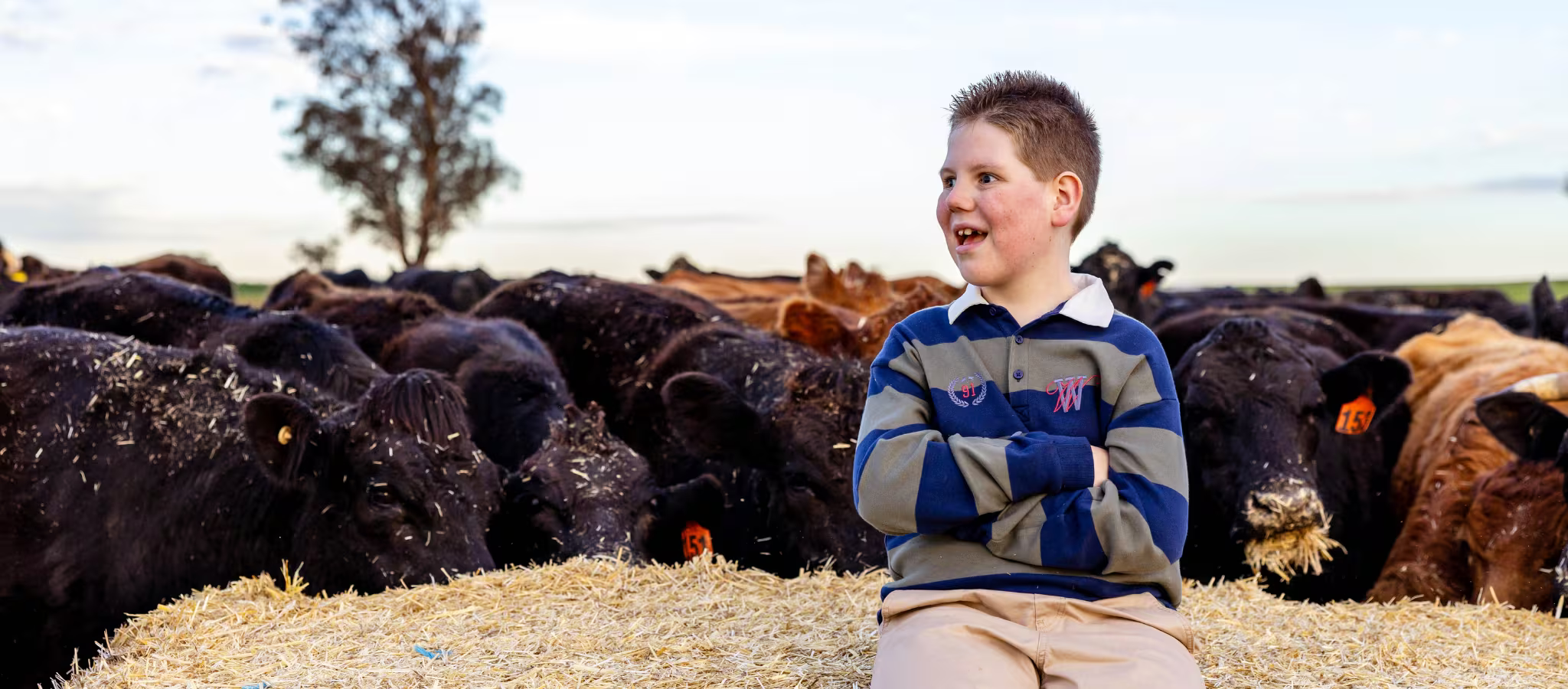
Paddy’s story: Survival is only the beginning
15/10/2026
After a childhood cancer diagnosis changed everything, research gave Paddy access to treatment. Today, he’s a happy, energetic boy – but the effects of cancer continue beyond treatment.
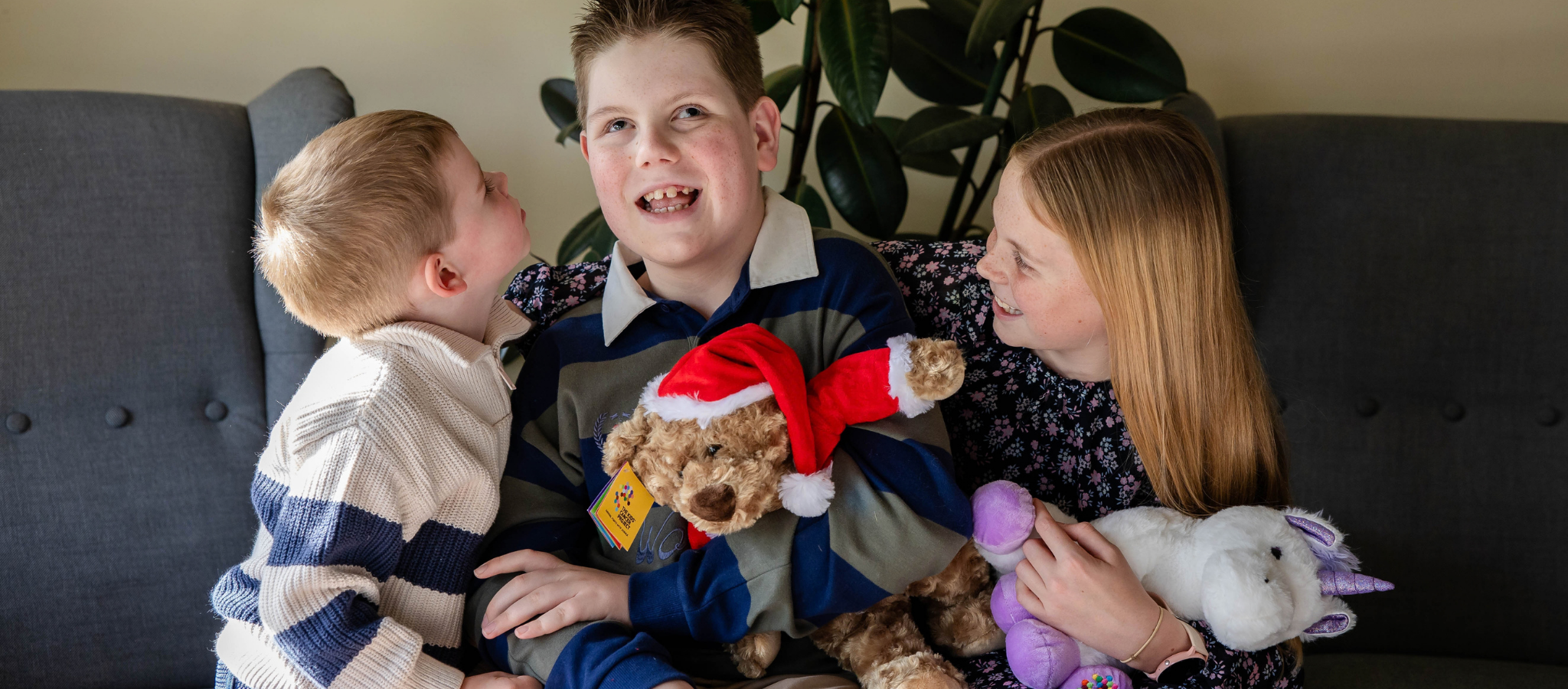
From the hospital to home: The story of Paddy and his bear
12/10/2026
"I was touched that someone, somewhere, had donated these bears for our children – people who didn’t know us but wanted to make difficult days a little brighter." - Kristy, Paddy's mum
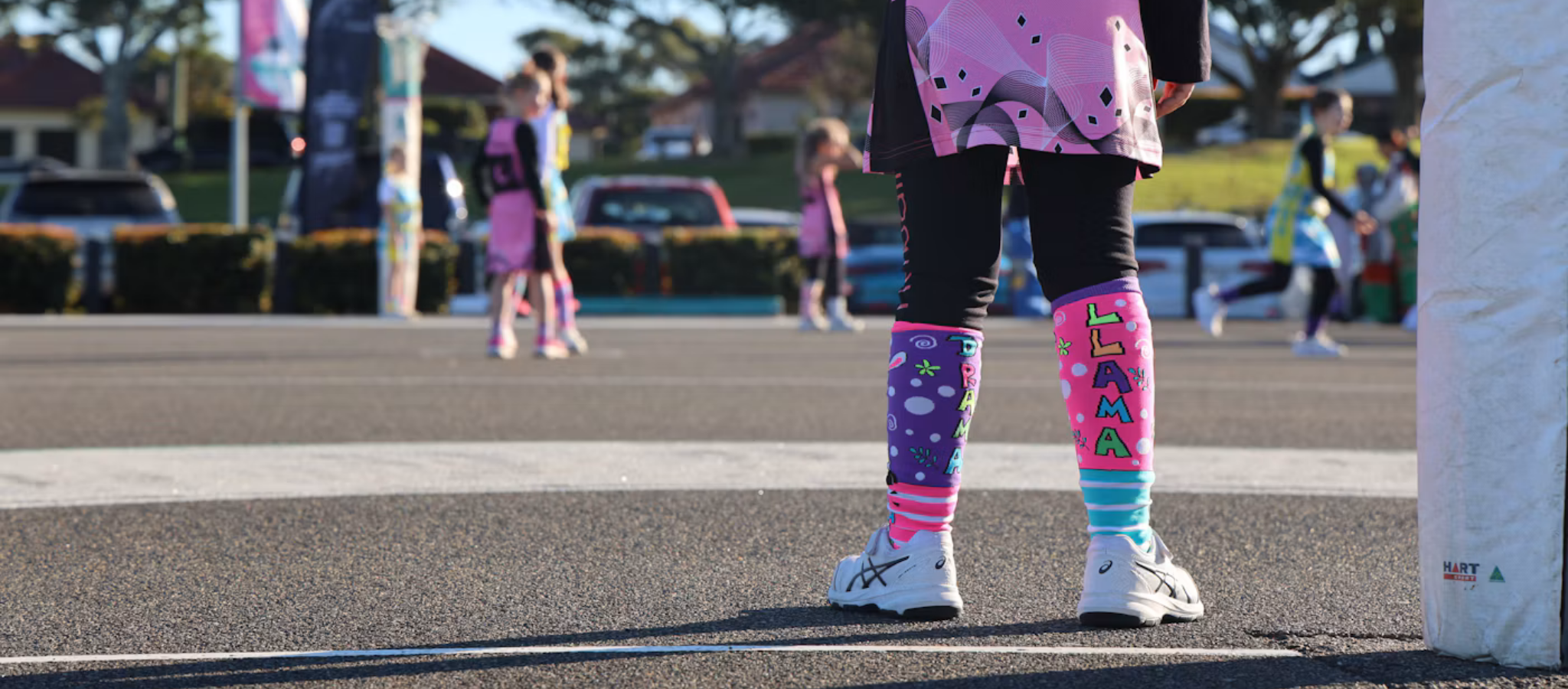
Crazy Hair & Sock Day 2026 raises $61,655 for childhood cancer research
09/10/2026
Crazy hair, colourful socks and plenty of team spirit came together across Netball NSW for Crazy Hair & Sock Day 2026 – all in support of children with cancer.
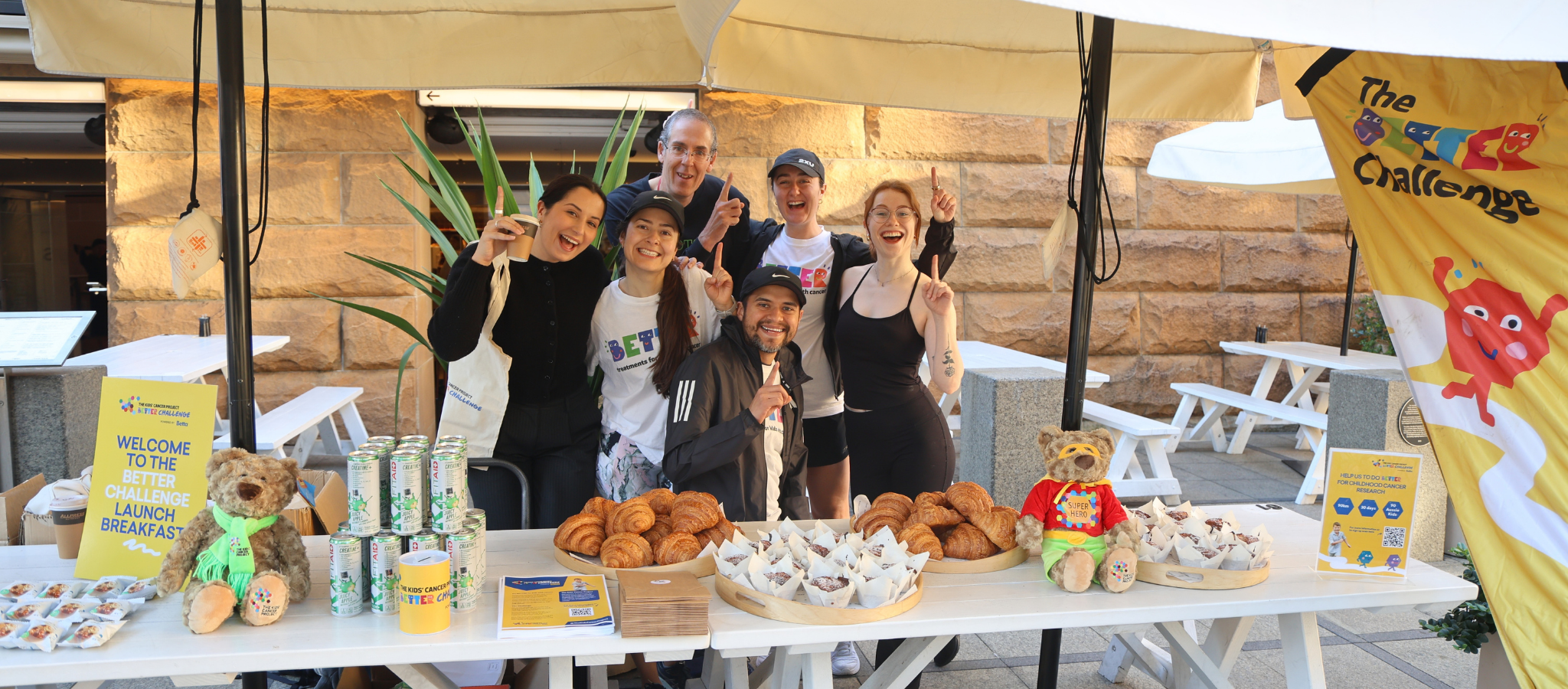
Better Challenge 2026: 90km. 30 days. One incredible community!
08/10/2026
This year’s Better Challenge, powered by Betta, brought our community together throughout Childhood Cancer Awareness Month to help create better treatments, better outcomes and a better future for...